
Plants
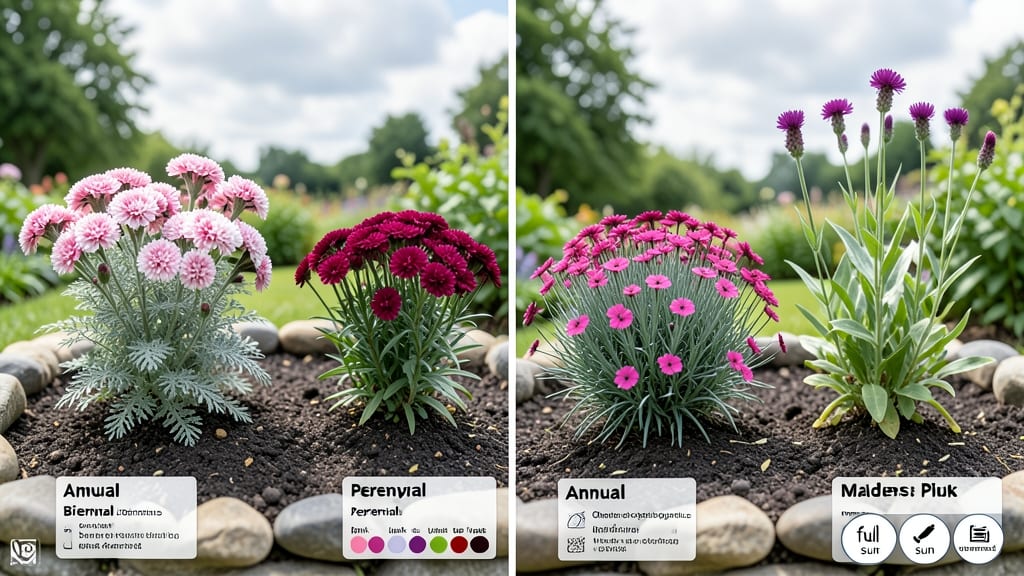
Not all dianthus plants are perennials—while varieties like 'Sweet William' and 'Pinks' return year after year, others like Dianthus chinensis and many hybrids behave as annuals or short-lived perennials based on your growing zone and seasonal care.
This distinction comes down to two key factors: the plant's native growing conditions and your local climate. 🌱 Many dianthus varieties originate from Mediterranean regions where they naturally experience seasonal dormancy, but when grown in warmer zones (like USDA 8-10), they often complete their life cycle in one season.
For example, 'Firewitch' dianthus thrives as a perennial in zones 4-9 but may act as an annual in Florida's heat. The good news? With proper pruning and deadheading, even annual varieties can sometimes extend their blooming season by 2-3 months.
What's particularly interesting is how hybridizers play with this trait—many modern cultivars are bred to be more cold-hardy perennials, but their annual relatives still dominate garden centers because they offer more vibrant colors and longer bloom times in the first season.
If you're planning a long-term garden, I'd recommend starting with proven perennial varieties like 'Matrona' or 'Firewitch' for reliable returns each spring.
💡 In This Article
- How Climate and Species Determine Dianthus Lifespan
- Choosing the Right Dianthus for Your Garden’s Longevity
How climate and species determine dianthus lifespan
The lifespan of dianthus plants hinges on their native growing conditions and botanical classification.
Perennial varieties like Dianthus barbatus (Sweet William) develop deep root systems that survive winter dormancy in USDA zones 3-9, while annual species such as Dianthus chinensis complete their life cycle in 90-120 days before dying back.
The key difference lies in their cold tolerance—perennials store energy in roots to regrow, whereas annuals focus all energy on rapid above-ground growth and seed production.
Temperature plays a critical role: in warmer zones (8-10), even cold-hardy perennials may behave as annuals because they can't endure the heat stress. For instance, 'Firewitch' dianthus thrives as a perennial in zones 4-7 but often dies back after one season in Florida's 90°F+ summers.
The plant's natural photoperiod response triggers dormancy in cooler climates but accelerates senescence in heat. 🌡️
Botanists classify dianthus lifespan based on their vernalization requirements—the need for cold exposure to break dormancy. Perennial varieties like 'Matrona' require 4-6 weeks below 40°F to regenerate, while annuals like Dianthus caryophyllus (Carnation) skip this stage entirely.
This explains why gardeners in mild-winter regions often see perennial dianthus fail to return year after year—they lack sufficient chilling periods.
Hybrid cultivars add complexity: many modern varieties are bred for extended bloom times rather than cold hardiness. For example, 'Bristol Ruby' acts as a short-lived perennial in zones 5-8 but may only last 2-3 years before declining.
The trade-off is often between vibrant color and longevity—annual hybrids typically produce 20-30% more flowers in their first season compared to perennial types.
Soil moisture also influences lifespan: perennial dianthus thrive in well-draining soil with moderate watering (1 inch per week), while annuals often wilt under similar conditions. The contrast highlights why gardeners in arid climates (zones 9-10) frequently treat dianthus as annuals—they can't withstand summer drought stress. 💧
Consider these key factors when evaluating lifespan:
- USDA Zone: Perennials need zones matching their hardiness range (e.g., 'Sweet William' in zones 3-9)
- Summer Heat: Temperatures above 85°F often kill perennial dianthus in one season
- Winter Chill: 4-8 weeks below 40°F required for perennial regrowth
- Water Needs: Annuals tolerate drier soil than perennials