
How To
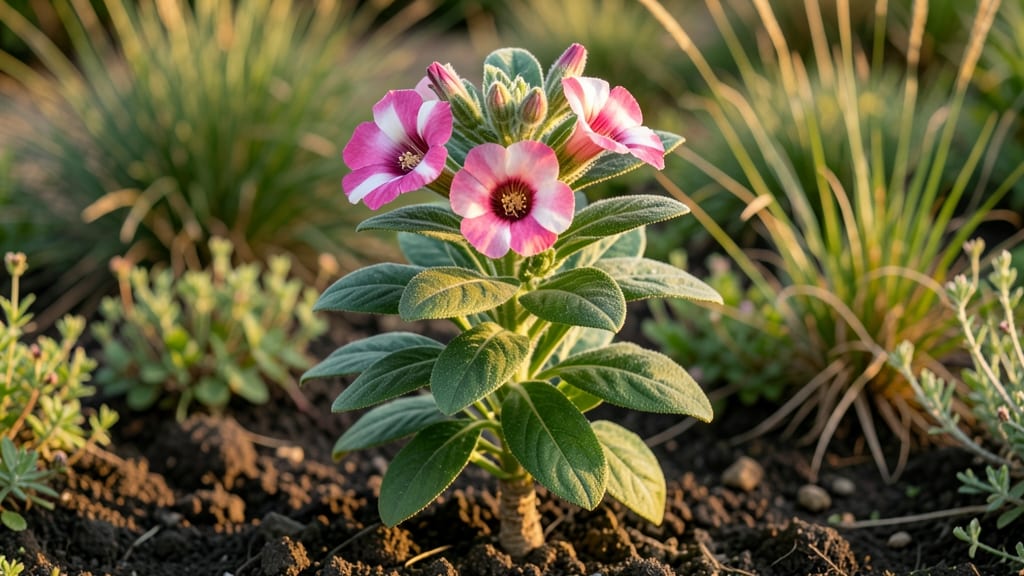
Four o'clocks (Mirabilis jalapa) aren't true perennials in colder climates—they behave as tender perennials or annuals based on winter severity. Their energy-storing tubers let them regrow in mild zones (USDA 9-11) but often need replanting after frost in colder regions.
These plants rely on their tubers to survive winter, acting like natural batteries underground. 🌱 Unlike hardy perennials that survive freezing temps, four o'clocks retreat below soil level when frost hits.
In warmer climates, the tubers regenerate new growth each spring, while colder zones may require you to dig up and store tubers or replant seeds annually. The key difference is their tuber-based dormancy rather than persistent above-ground growth.
This behavior makes them perfect for gardeners in transitional zones—you get perennial-like benefits in mild winters but annual-like flexibility in colder areas. The tuber system also explains why some varieties perform better than others in specific climates, with certain cultivars developing more cold-resistant tubers over time.
💡 In This Article
- How Four O’Clock Tubers Survive Winter
- Growing Four O’Clocks as Annuals vs. Perennials
How four o’clock tubers survive winter
Four o’clocks (Mirabilis jalapa) rely on specialized underground tubers—thickened, fleshy roots that store starches and nutrients—much like sweet potatoes or dahlias. These tubers act as energy reserves, allowing the plant to "hibernate" when temperatures drop below 32°F.
The tuber cells contain high concentrations of sugars and proteins that remain stable even in freezing conditions, preventing cellular damage. This adaptation is why they thrive in USDA zones 9-11 but struggle in colder regions where frost penetrates deeper.
The tuber’s survival mechanism involves two key processes: dehydration and metabolic slowdown. As temperatures drop, the tuber loses moisture and enters a dormant state, reducing its metabolic rate by up to 90%.
This is similar to how bulbs like tulips survive winter but differs from true perennials like salvia, which rely on woody stems or crowns to regenerate.
Four o’clock tubers can remain viable for years underground, though their cold tolerance varies by cultivar—some varieties develop thicker, more insulating tuber skins that resist -5°F for short periods.
What sets four o’clocks apart from other tubers is their rapid regrowth capability. When soil temperatures rise above 55°F, the tubers hydrate within 24-48 hours and begin sprouting new shoots.
This speed is thanks to their shallow root system (6-12 inches deep) and the presence of growth-promoting hormones stored in the tuber. In contrast, deeper-rooted perennials like lavender take weeks to emerge, making four o’clocks ideal for quick seasonal color in gardens.
Cold hardiness isn’t uniform across all varieties. The classic ‘Double’ cultivar, for example, has tubers that tolerate 28°F for brief periods, while newer hybrids like ‘Scarlet O’Hara’ may handle 25°F due to thicker tuber walls.
Gardeners in USDA zones 7-8 often report mixed success—some tubers survive mild winters, while others require protection or replanting. The key difference from true perennials is that four o’clocks lack persistent above-ground structures, forcing them to rely entirely on their tuber reserves.
To visualize this process, imagine a potato in winter storage: firm, dry, and waiting. That’s essentially what a four o’clock tuber does underground—except it’s programmed to wake up at the first hint of spring warmth.
This tuber-based dormancy explains why they’re classified as "tender perennials" rather than hardy ones like peonies, which have specialized root systems designed for freezing conditions.
The tuber’s survival strategy also explains why four o’clocks often appear in wildflower mixes as annuals—they’re betting on the tubers to regenerate, but nature doesn’t always cooperate in colder climates. 🌱 In garden terms, this makes them a "high-risk, high-reward" perennial for gardeners outside their native range.