
Plants
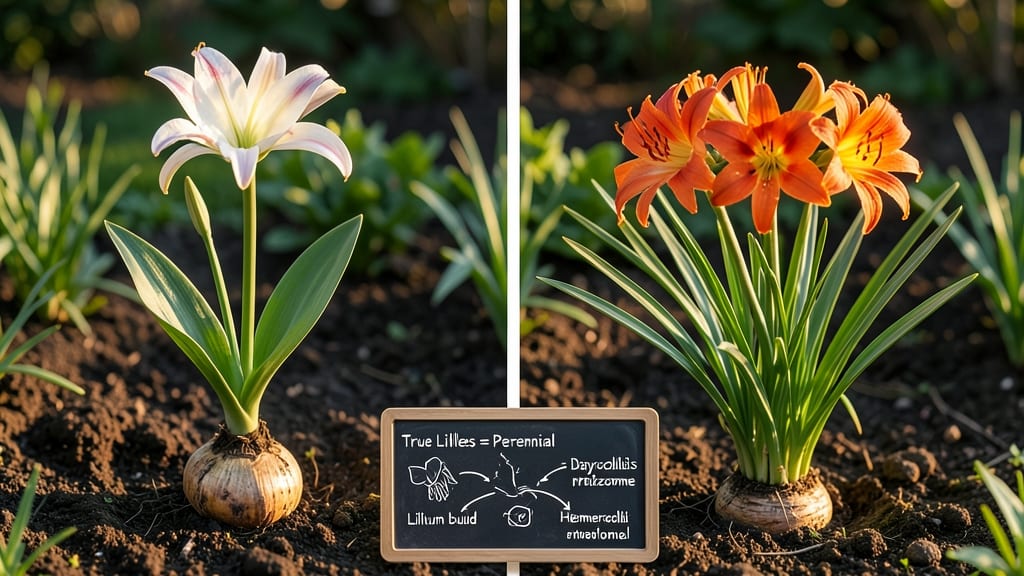
Not all lilies are perennials—while some varieties like tiger lilies store energy in hardy bulbs or rhizomes and return yearly, others like rain lilies act as tender perennials or annuals based on your local climate. The key difference lies in their underground storage systems and cold tolerance.
When you think of lilies, you might assume they're all perennials that come back every year—but that's not always the case. 🌱 The true perennials (like Asiatic or Martagon lilies) thrive because they store nutrients in bulbs or rhizomes, allowing them to survive winter dormancy.
In contrast, tropical varieties often die back in cold weather, acting like annuals unless you bring them indoors or treat them as seasonal plants. Even within perennials, cold sensitivity varies dramatically—some handle Zone 3 winters while others need Zone 7+ protection.
This explains why your neighbor's lily garden might look completely different from yours!
Understanding these differences helps you choose the right lilies for your climate. For example, Daylilies (technically not true lilies) are famously hardy perennials, while Stargazer Lilies need careful winter protection. The secret lies in their root structures—bulbs store energy efficiently, while rhizomes spread horizontally for resilience.
This knowledge can save you from disappointment when planting lilies that won't survive your winter.
💡 In This Article
- Lily Underground Storage Types: Bulbs vs Rhizomes vs Corms
- Climate-Specific Lily Longevity: Perennials vs Annuals in Gardens
Lily underground storage types: bulbs vs rhizomes vs corms
The reason some lilies return year after year while others don't boils down to their underground storage systems. True perennials like Asiatic lilies store energy in scaly bulbs, which are layered, onion-like structures that protect nutrients during dormancy.
These bulbs can survive Zone 4-5 winters with proper mulching, while rhizomatous lilies (like Daylilies) spread horizontally through thick, fleshy roots that regenerate above ground each spring. The key difference is that bulbs store energy in a compact form, while rhizomes prioritize rapid regrowth.
Corms, found in Martagon lilies, are another storage type—solid, swollen stems that act like bulbs but lack protective layers. This makes them slightly less cold-hardy (Zone 5-6) than true bulbs.
Tropical lilies, however, often rely on tuberous roots that store minimal energy, which is why they die back in freezing temperatures. The cold sensitivity threshold varies by 5-10°F between species, explaining why your Stargazer Lily might survive in Zone 8 but not Zone 6 without protection.
What most gardeners miss is how these storage types affect dormancy cycles. Bulbs enter deep dormancy in winter, while rhizomes remain semi-active, sending out shoots when soil temps reach 50°F. This explains why Daylilies often bloom earlier than bulb lilies—rhizomes respond faster to warming soil.
The trade-off? Rhizomes are more vulnerable to rot in waterlogged conditions, while bulbs can handle drier soils better. 🌱
Consider the rain lily (a corm-based variety) as an exception—it thrives in Zones 8-11 but acts like an annual in cooler climates because its corms lack the protective layers of true bulbs. This is why tropical lilies often need to be dug up and stored indoors during winter.
The underground anatomy directly correlates with survival strategies: bulbs prioritize energy storage, rhizomes prioritize rapid regrowth, and corms strike a balance—but none are truly "indestructible."
For practical gardening, this means Asiatic lilies (bulb-based) are your safest bet for cold climates, while Easter Lilies (rhizomatous) need winter mulching. The root structure isn't just about looks—it's the biological reason why some lilies outlast others by decades.
Understanding these differences helps you match plants to your hardiness zone with confidence.