
Flowers
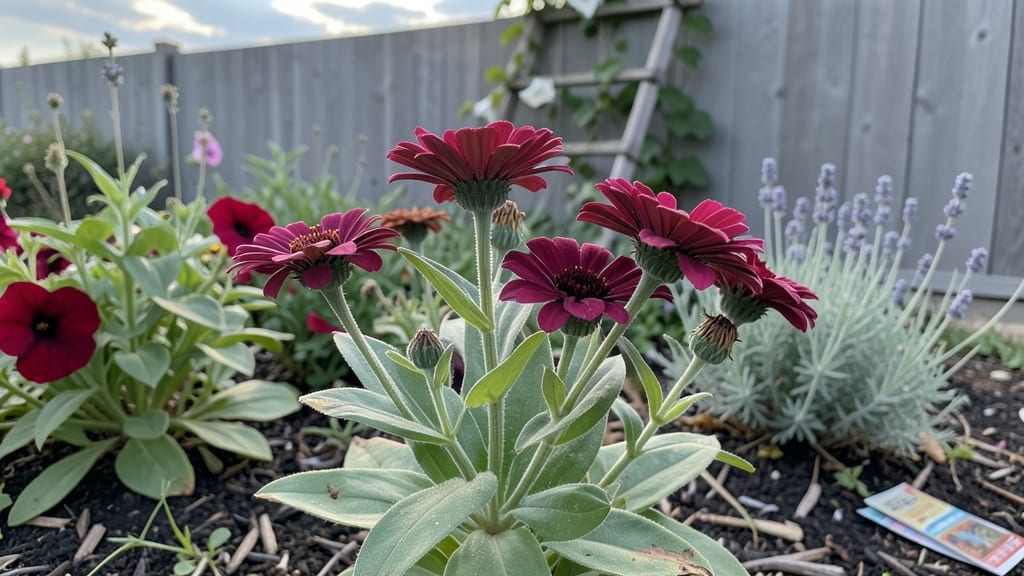
Choosing between annual and perennial flowers isn’t just about color—it’s about crafting a garden that thrives with minimal effort. I’ve learned the hard way that mixing both types can create a showstopping display where one alone would leave gaps or require constant upkeep.
The secret lies in their natural rhythms: annuals burst with bold seasonal color, while perennials anchor the space with reliable structure year after year.
Annuals like zinnias and marigolds deliver instant drama but fade by frost, while perennials such as coneflowers and black-eyed Susans return stronger each spring. My front yard now blooms from May to October without deadheading—annuals fill summer’s peak, while perennials take over as they fade.
The combo cuts replanting costs and keeps the garden looking intentional, not chaotic.
Picture this: vibrant annuals framing a perennial border in June, then those same perennials holding court in September when the annuals have gone dormant. You’ll spend less time fussing and more time admiring a garden that feels like it’s always in season.
The key is placement—place annuals where they’ll catch the eye first, and let perennials build the foundation.
This strategy works for small pots, large beds, or anything in between. Whether you’re designing a pollinator-friendly meadow or a low-maintenance cottage garden, the right mix keeps your space lush and lively without the work. Let’s make your garden do the heavy lifting for you.
The first option explained
Option A: Annual Flowers 🌸
Annual flowers are the dramatic stars of your garden, delivering bold, vibrant blooms in a single growing season. These flowers complete their life cycle—from seed to flower to seed—within one year, making them perfect for gardeners who love seasonal transformations and a fresh, ever-changing display.
🌱 Key Characteristics
- Life Span: Germinate, grow, bloom, and set seed—all in one year.
- Growth Speed: Fast-growing, often reaching maturity in 60-90 days after planting.
- Bloom Time: Typically seasonal (spring to fall, depending on variety), with some offering continuous blooms if deadheaded.
- Hardiness: Most are tender perennials and cannot survive freezing temperatures.
🌟 Top Benefits
- Yearly Renewal: Plant new varieties each season to keep your garden fresh and exciting!
- Color Variety: A wider range of colors and types (e.g., zinnias, marigolds, petunias) than perennials.
- Low Maintenance: Many annuals are self-cleaning—no deadheading needed for some varieties like cosmos or cleome.
- Versatility: Ideal for containers, borders, and cut flower gardens.
🌿 Typical Use Cases
Annuals shine in scenarios where you want instant impact and seasonal flexibility:
- Seasonal Borders: Plant cosmos or sunflowers for a wild, effortless look.
- Container Gardens: Petunias and geraniums thrive in pots, perfect for balconies and patios.
- Cut Flower Arrangements: Zinnias and dahlias provide long-lasting, vibrant blooms for bouquets.
- Pollinator Gardens: Marigolds and black-eyed Susans attract bees and butterflies effortlessly.
💡 Pro Tip: For zero deadheading, choose self-cleaning annuals like cleome or bachelor’s buttons—they drop spent blooms naturally, keeping your garden tidy!
The second option explained
If you're dreaming of a garden that bursts with color every single year without the hassle of replanting, perennial flowers are your secret weapon! 🌸 Unlike their annual counterparts, perennials return year after year, offering long-lasting beauty with minimal effort.
Let’s dive into why perennials might be the perfect choice for your garden.
🌱 Key Characteristics
Perennial flowers are the workhorses of the garden—they thrive for multiple seasons, often coming back stronger each year. Here’s what sets them apart:
- Longevity: Once established, they can live for years (some even decades!), making them a cost-effective investment.
- Seasonal Resilience: Many perennials bloom in multiple seasons, ensuring your garden stays vibrant from spring to fall.
- Low Maintenance: No need to replant annually! They focus energy on growing roots and blooming, not just surviving.
- Drought Tolerance: Many varieties are hardy and require less water once matured.
🌿 Top Benefits
Why should perennials top your garden wishlist? Here’s why gardeners obsess over them:
- Zero Deadheading Needed: While some may benefit from light pruning, many perennials self-clean—no fuss!
- Eco-Friendly: Their deep roots prevent soil erosion and support local ecosystems.
- Versatility: Perfect for borders, containers, meadows, or even cut flower arrangements.
- Year-Round Interest: Some perennials offer foliage, seed heads, or winter structure even when not in bloom.
🌺 Typical Use Cases
Perennials are the chameleons of the garden—they adapt to almost any setting! Here’s where they shine:
- Foundation Plantings: Add structure and color to your home’s exterior with hardy perennials like coneflowers or black-eyed Susans.
- Pollinator Gardens: Attract bees, butterflies, and hummingbirds with lavender, bee balm, or milkweed.
- Cut Flower Gardens: Long-stemmed perennials like peonies or dahlias (yes, some are perennials!) bring bouquets indoors.
- Low-Maintenance Landscapes: Create a wildflower meadow with native perennials for a natural, effortless look.
- Container Gardening: Compact perennials like heucheras or sedums thrive in pots, adding color to patios or balconies.
Pro Tip: 💡 Group perennials by height and bloom time to create a dynamic, ever-changing display. Pair early bloomers (like bleeding hearts) with late-season stars (like Russian sage) for a garden that never skips a beat!
Key differences
🌱 Lifespan & Growth Cycle
Annual flowers complete their life cycle in one growing season, blooming vigorously from spring to fall before dying off in winter. Think of them like a firework display—dramatic, short-lived, but full of energy!
Perennials, on the other hand, return year after year, often growing stronger with age. They’re the loyal friends of your garden, putting down deep roots and coming back stronger each spring.
🌿 Planting & Maintenance
Annuals are easy to replace—just pull up old plants and sow new ones each season. They thrive with regular watering and feeding but require more frequent attention to keep blooms abundant.
Perennials, while low-maintenance long-term, may need division every few years to prevent overcrowding. Once established, they’re drought-tolerant and often self-sufficient.
🌸 Bloom Time & Color Variety
Annuals offer explosive color in a single season, with endless varieties (think marigolds, petunias, or zinnias). Perennials provide seasonal interest, often blooming in waves—some in spring (peonies), others in summer (coneflowers), or even fall (sedum). While annuals win for immediate impact, perennials deliver sustained beauty with less effort.
💰 Cost & Long-Term Value
Annuals can be budget-friendly upfront if you start from seed, but costs add up yearly. Perennials require a higher initial investment (especially for established plants), but their multi-year returns make them cost-effective over time. Pro tip: Mix both for a garden that’s always in bloom without breaking the bank!
🌦️ Climate & Hardiness
Annuals adapt to any climate if planted at the right time, but they won’t survive frost. Perennials are hardy to your zone once established, often rebounding after winter. Choose perennials native to your region for maximum resilience—they’re built to thrive where annuals might struggle.
When to choose which
Choosing between annual and perennial flowers depends on your gardening goals, time commitment, and design vision. Here’s when each shines:
🌱 Pick Annuals When...
- You crave bold, seasonal color—annuals like petunias and marigolds explode with vibrant hues every year without fading.
- Your garden is new or temporary (e.g., renters, container gardens). No long-term investment!
- You love variety—swap out flowers yearly for fresh trends or themed beds.
- You’re short on time—annuals thrive with minimal care (just water and occasional deadheading).
🌿 Choose Perennials When...
- You want low-maintenance beauty—once established, perennials like coneflowers or daylilies return year after year with zero replanting.
- Your garden is established—perennials fill in quickly and reduce weeding over time.
- You love wildlife—many perennials attract pollinators and butterflies with their long blooming seasons.
- You’re planning a long-term design—perennials create cohesive, layered landscapes with minimal effort.
💡 Pro Tip: Combine both! Use annuals for seasonal pops of color (e.g., summer borders) and perennials as the backbone of your garden (e.g., shrubs, perennials, and ground covers). This gives you the best of both worlds—year-round interest with minimal fuss!
The bottom line
Choosing between annual and perennial flowers depends on your gardening goals! 🌸 Annuals deliver bold, seasonal bursts of color with minimal upkeep, perfect for quick transformations or container gardens. Perennials, on the other hand, offer low-maintenance, long-term beauty—ideal for establishing a vibrant, self-sustaining landscape.
Want fast results? Go annual. Craving effortless elegance? Perennials are your best bet. Mix both for a year-round show with zero deadheading stress! 🌿✨
Pro Tip: Start with a few perennials for structure, then layer in annuals for pops of color—the best of both worlds!