
Orchid Care
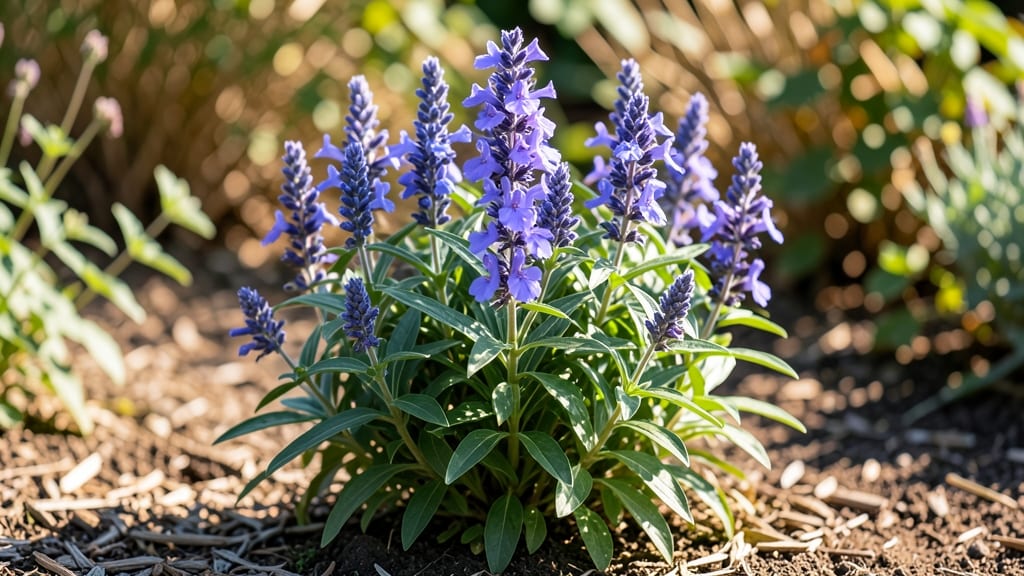
Deciding whether angelonia is annual or perennial depends on your climate: it thrives as a tender perennial in frost-free zones but is typically grown as an annual in colder regions due to its frost sensitivity and slow regrowth after dieback.
Angelonia's true nature reveals itself in its underground storage system—thick, tuberous roots that survive winter in warm climates but perish when exposed to frost. 🌱 In frost-free zones like USDA hardiness zones 9-11, these roots regrow each spring, making it a perennial in those conditions.
However, in cooler regions, gardeners replant new starts each year because the roots don't reliably survive winter exposure. The key difference lies in whether you can protect those roots from freezing temperatures or not.
This dieback cycle mirrors other frost-tender perennials like cannas or dahlias, which also retreat underground but require winter protection in colder climates. The challenge with angelonia is its slower regrowth compared to these more resilient plants—meaning even if roots survive, they may not produce flowers as quickly the following season.
💡 In This Article
- Angelonia’s Cold Sensitivity and True Perennial Nature
- Extending Angelonia’s Lifespan: Overwintering Strategies
Angelonia’s cold sensitivity and true perennial nature
Angelonia's perennial status hinges on its tuberous root system, which stores nutrients and energy to regenerate new growth each spring. In frost-free zones (USDA zones 9-11), these roots remain dormant but viable through winter, allowing the plant to resprout naturally.
The roots can survive temperatures down to 25°F if protected by mulch or soil insulation, but exposure to 20°F or lower triggers irreversible damage. This makes the difference between perennial behavior and annual treatment.
The regrowth process begins when soil temperatures reach 55-60°F, typically in late spring. New shoots emerge from these tubers within 3-4 weeks, but the speed depends on moisture levels and sunlight exposure.
Unlike hardy perennials, angelonia's growth is more delicate—its stems are woody but brittle, and its foliage is susceptible to cold snaps even after initial regrowth. This fragility explains why gardeners in cooler climates opt for annual treatment despite its perennial roots.
Comparing angelonia to other frost-tender perennials like cannas or dahlias reveals key differences. Cannas, for example, have more robust rhizomes that regrow vigorously even after winter dieback, while angelonia's tubers are smaller (1-2 inches in diameter) and less resilient.
Dahlias also produce multiple eyes on their tubers, ensuring better regrowth chances, whereas angelonia typically has just 1-3 main growth points per tuber. These botanical differences make angelonia's overwintering more challenging.
What most gardeners overlook is how soil moisture during dormancy affects survival rates. Overly wet conditions can cause tuber rot, while dry soil may prevent sufficient nutrient storage. The ideal overwintering strategy in mild climates involves maintaining 60-70% soil moisture and protecting tubers with 4-6 inches of organic mulch.
This balance is critical for preserving the plant's perennial potential.
The plant's slow regrowth—often 6-8 weeks from first sprouts to flowering—also plays a role in its annual treatment. In colder regions, gardeners prefer the reliability of starting fresh each year rather than waiting for potentially weak regrowth.
This practical consideration, combined with frost sensitivity, solidifies angelonia's annual reputation in most gardening circles.
Interestingly, angelonia's flowers exhibit a similar cold sensitivity. Buds formed late in the season may not survive even mild freezes (30°F), forcing the plant to restart its flowering cycle from scratch each year.
This dual vulnerability—both roots and flowers—explains why gardeners in marginal climates treat it as an annual despite its perennial roots.