
Orchid Care
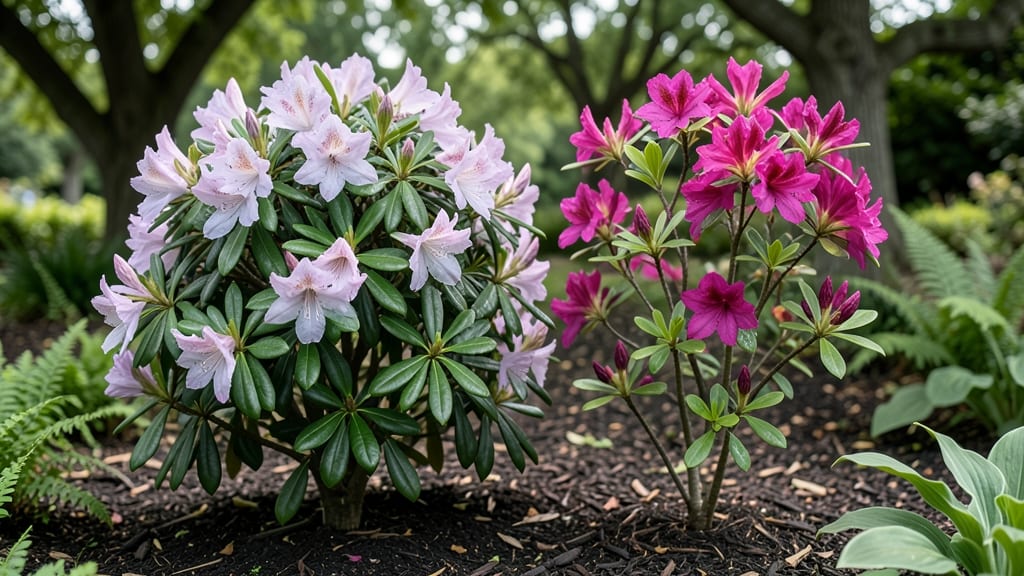
Azaleas are perennial shrubs that appear annual because they shed leaves and stems each winter, only to regrow from the same root system year after year. Their lifespan and reblooming depend on proper care and hardiness zone compatibility.
This seasonal shedding—called dormancy—is how azaleas conserve energy during cold months, unlike true annuals that die completely after flowering. 🌿 In zones 4-9, their roots stay alive underground, ready to burst back with spring's warmth.
I've seen gardeners mistake this natural cycle for plant death, but with the right winter mulch and pruning, these shrubs reliably return for decades.
What sets azaleas apart is their root resilience. While they lose foliage, their underground system remains intact, storing nutrients for next year's growth. This is why proper soil pH (4.5–6.0) and late-summer pruning make all the difference—neglect can turn a perennial into a one-season wonder.
💡 In This Article
- Why Azaleas Look Like Annuals Despite Being Perennials
- Year-Round Azalea Care to Extend Perennial Lifespan
Why azaleas look like annuals despite being perennials
Azaleas undergo seasonal dormancy, a survival strategy where they shed leaves and stems during winter to conserve energy, making them appear dead like annuals. Unlike true annuals (such as impatiens), which die completely after flowering, azaleas' roots remain alive underground, storing nutrients in their woody stems.
This root system can survive temperatures as low as -10°F to -20°F (zones 4-9), allowing regrowth when spring arrives. 🌱 The key difference lies in their root resilience—while annuals complete their lifecycle in one season, azaleas pause growth but retain their foundational structure.
The biological mechanism behind this involves cold acclimation, where azaleas produce protective proteins and sugars in their roots to prevent freezing. During dormancy, their metabolic rate drops by up to 90%, conserving energy until warmer temperatures trigger regrowth.
For example, a healthy azalea in zone 6 may lose all foliage by December but regrow by April, while a true annual like marigold would die entirely after its first bloom. This cycle explains why gardeners often mistake azaleas for annuals—they disappear in winter but return with vigor.
Hardiness zones play a critical role in this process. Azaleas thrive in zones 4-9, where winter temperatures rarely drop below -20°F. In colder zones (like 3), their roots may struggle, leading to weaker regrowth or death.
Conversely, in warmer zones (8-9), they may not fully dormancy, resulting in year-round growth but reduced winter hardiness. The root system's depth—typically 12-18 inches—also affects survival, as deeper roots access moisture and nutrients even during dry winters. 🌿
Another factor is the azalea's deciduous nature, which differs from evergreen shrubs like boxwoods. While evergreens retain leaves year-round, azaleas shed theirs to avoid frost damage and water loss. This shedding is a deliberate adaptation, not a sign of poor health.
For instance, a Korean azalea may lose all foliage by November but sprout fresh leaves by March, demonstrating their perennial nature. The confusion arises because their winter appearance mimics annuals, but their roots tell a different story.
Comparing azaleas to true annuals highlights their unique lifecycle. Annuals like petunias complete their entire growth cycle in one season, producing flowers, seeds, and then dying. Azaleas, however, focus on root and stem development, storing energy for future blooms.
This is why a well-cared-for azalea can live for 20-30 years, while an annual's lifespan is measured in months. The key takeaway? Azaleas are perennial survivors, not one-season wonders. 💪