
Flowers
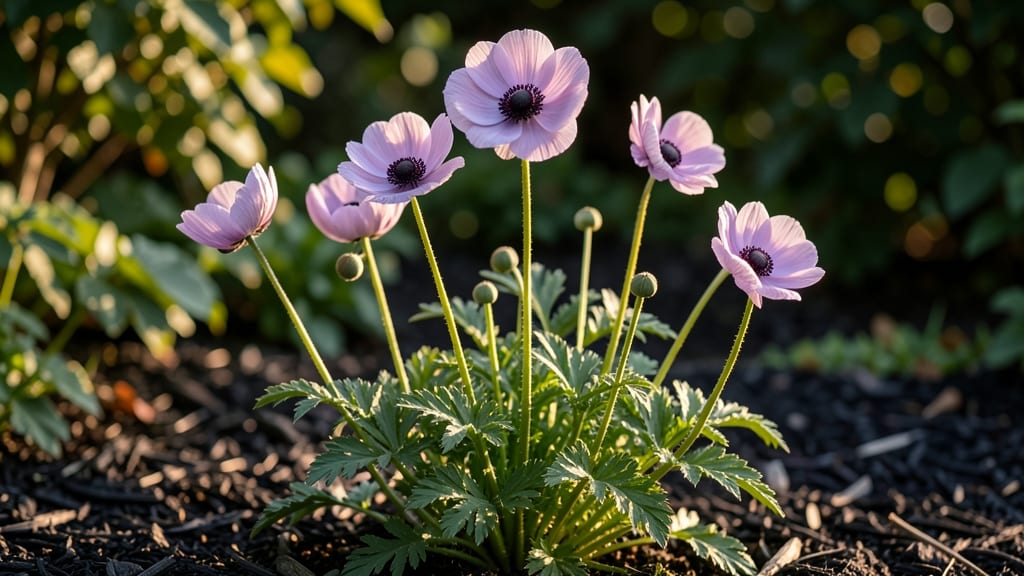
As anemone flowers perennials, they survive harsh winters through cold hardiness and seasonal dieback, storing energy in underground tubers or rhizomes to regrow vibrantly each spring. This dormant phase preserves their blooming potential year after year.
Anemones pull off this survival trick by storing nutrients underground during winter dormancy, which is why they're classified as true perennials. 🌱 Unlike annuals that complete their lifecycle in one season, these flowers "sleep" through cold months—only to burst back with fresh foliage and blooms when temperatures rise.
Their underground storage systems act like nature's battery, ensuring they can bounce back even after complete above-ground dieback. This makes them perfect for gardeners in zones with freezing winters, as they don't need constant winter care once established.
What's fascinating is how this compares to other perennials: while some like hostas maintain evergreen foliage, anemones go completely dormant, making them more resilient to extreme cold.
The key to their success lies in proper planting depth and soil drainage—too shallow, and their tubers freeze; too deep, and they struggle to emerge in spring.
I've found that adding a thick layer of mulch after the first frost provides that extra insulation their roots need to survive until spring awakening.
💡 In This Article
- How Anemone Flowers Survive Winter Through Underground Storage
- Planting and Caring for Anemone Perennials in Cold Climates
How Anemone flowers survive winter through underground storage
Anemones rely on specialized underground structures—either tubers or rhizomes—to store energy during winter dormancy. These storage organs function like biological batteries, packed with starches and nutrients that sustain the plant until spring.
For example, Japanese anemones (Anemone hupehensis) develop thick, fleshy rhizomes that can survive temperatures down to -20°F (-29°C), while windflower anemones (Anemone nemorosa) store energy in small, potato-like tubers that remain viable even after complete above-ground dieback.
The survival mechanism hinges on temperature-sensitive dormancy cycles. As soil temperatures drop below 50°F (10°C), anemones trigger a biochemical shutdown, halting photosynthesis and redirecting resources underground.
This process is regulated by a hormone called abscisic acid, which signals the plant to enter dormancy. 🌱 Unlike evergreen perennials that maintain some foliage year-round, anemones go completely dormant, which actually makes them more cold-hardy since they avoid frost damage to leaves and stems.
What's particularly clever is how these storage organs balance water retention with insulation. Tubers contain high concentrations of sugars that act as natural antifreeze, preventing ice crystal formation within their cells. Meanwhile, the fibrous rhizome structure traps moisture while insulating against rapid temperature swings.
This dual system explains why anemones can thrive in regions with 100+ days of winter frost, whereas many other perennials require winter protection.
The regrowth process begins when soil temperatures stabilize above 55°F (13°C) in spring. At this point, stored nutrients fuel the emergence of new shoots, with the plant prioritizing leaf development before flowering. This phased approach ensures energy isn't wasted on blooms until the plant has established a strong root system.
In my experience, anemones planted in well-draining soil with 50% organic matter show the most vigorous spring regrowth, as excess moisture can cause tuber rot during dormancy.
Comparing anemones to other perennials reveals their unique strategy. While hostas maintain evergreen foliage through winter (using anti-freeze proteins), anemones' complete dormancy makes them more resilient to extreme cold but requires precise planting depth.
Tubers should be buried 2-3 inches deep—too shallow and they'll freeze; too deep and they may fail to emerge. This balance explains why anemones often outperform other perennials in harsh climates like USDA Zone 3.
One fascinating adaptation is how anemones time their dormancy to avoid late spring frosts. Research shows their buds remain dormant until soil temperatures consistently stay above 50°F (10°C) for 7 consecutive days, which typically aligns with the last frost date in most temperate regions.
This precise timing ensures they don't waste energy on growth that would be destroyed by late cold snaps.