
Flowers
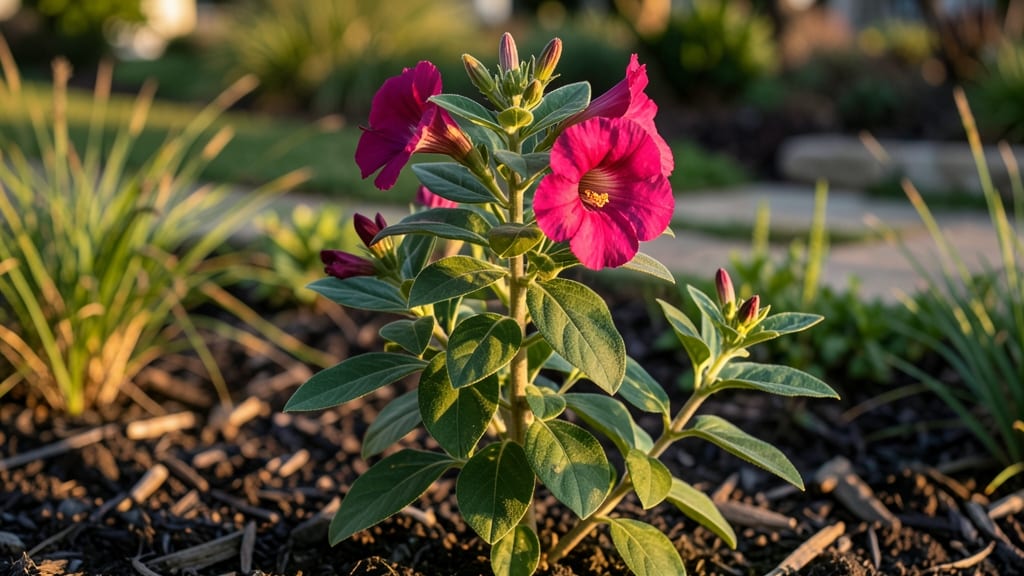
Four O’Clock flowers are perennials in warm climates but act like annuals in colder regions, dying back to the ground each winter only to regrow from their roots when temperatures rise. Their winter dormancy often misleads gardeners into thinking they’re not hardy plants.
These vibrant bloomers are actually tougher than they seem—most varieties can survive freezing temperatures if their roots stay protected. 🌱 The key is understanding their dormancy cycle: while above-ground growth disappears in winter, the root systems remain alive underground, ready to sprout back when soil temperatures warm.
This behavior tricks gardeners into assuming they’re annuals, but with proper care, they’ll return year after year like true perennials in suitable climates.
What makes this especially interesting is how their cold tolerance varies by species. Some Four O’Clock varieties handle Zone 5 temperatures (-20°F) with minimal protection, while others need winter mulch or container relocation.
The secret lies in selecting cold-hardy cultivars like Mirabilis jalapa 'Variegata' or 'Crimson Beauty'—these proven performers will reward you with summer blooms for years if given the right conditions.
💡 In This Article
- Why Four O’Clock Flowers Appear to Die in Winter
- How to Protect Four O’Clock Flowers in Cold Climates
Why Four O’clock flowers appear to die in winter
Four O’Clock flowers exhibit a fascinating survival strategy called dormancy, where their aboveground growth shrivels in winter while their roots remain alive underground.
This process is triggered by cold temperatures (below 40°F), which signal the plant to conserve energy by halting photosynthesis and redirecting nutrients to its root system. Unlike true annuals that die completely, these perennials store energy in their roots—similar to how peonies or daylilies survive winter.
The root systems of Four O’Clock flowers contain specialized cells that can withstand freezing temperatures down to 15°F in some varieties, though prolonged exposure to below 0°F may cause damage.
What’s remarkable is how these roots can remain dormant for months, only resuming growth when soil temperatures rise above 55°F in spring. This delayed regrowth is why gardeners often assume the plants have died entirely—when in reality, they’re just biding their time until conditions improve. 🌱
Botanically, this behavior distinguishes them from true annuals (like marigolds) that complete their entire life cycle in one season. Four O’Clocks more closely resemble tender perennials like coleus, which also die back in cold climates but regrow from roots if protected.
The key difference is their root hardiness: while some varieties can survive Zone 5 winters (-20°F), others need winter protection to prevent root damage.
What makes this adaptation so effective is their ability to regenerate quickly once warm weather arrives. Within 2-4 weeks of spring soil warming, new shoots emerge from the roots, often producing flowers by early summer.
This rapid recovery is possible because the roots have been storing carbohydrates and nutrients throughout dormancy—much like how a potato stores energy to grow into a new plant.
Gardeners often confuse this dormancy with death because the aboveground foliage turns brown and crispy, resembling dead plants. However, the roots remain alive and can even produce new growth if disturbed (like during soil preparation).
This is why experienced growers recommend leaving last year’s foliage intact until spring—it provides natural insulation for the roots. 🌿
One fascinating scientific aspect is how Four O’Clock flowers use their roots to avoid winter stress. Their root systems develop a protective layer of suberin (a waxy substance) that reduces water loss and prevents freezing damage.
This adaptation is similar to how some desert plants survive extreme heat—by minimizing moisture loss through specialized tissues. The result is a plant that appears dead but is actually in a state of strategic hibernation.