
Flowers
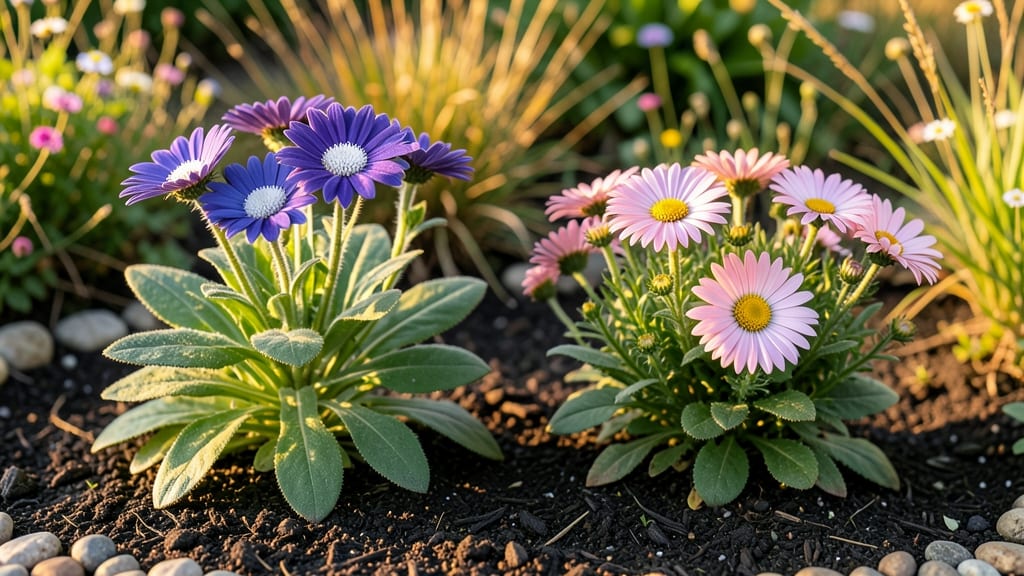
African daisies (Osteospermum) are perennial in warmer climates but function as annuals in colder regions. They thrive year-round in USDA zones 10-11, while gardeners in zones 7-9 typically replant them annually due to frost damage. With proper winter protection, these hardy plants can sometimes regrow from their roots.
Whether your African daisies live one season or many depends entirely on where you garden.
In frost-free zones, they'll happily return year after year from their deep roots, rewarding you with those cheerful blooms season after season. 🌸 However, in colder regions, their delicate foliage simply can't survive winter freezes, which is why most gardeners treat them as annuals.
The key difference lies in their root systems—these plants store energy underground that can sprout new growth when conditions improve.
What's fascinating is how their growth habits adapt: in mild winters, they might surprise you by pushing through mulch or even survive light frosts if protected. This makes them surprisingly resilient for something often labeled as "annual."
For gardeners in borderline zones, experimenting with winter care can turn these pretty flowers into true perennials in your landscape.
💡 In This Article
- African Daisy Lifespan by USDA Hardiness Zones
- How to Overwinter African Daisies in Cold Climates
African daisy lifespan by USDA hardiness zones
The fundamental difference between annual and perennial African daisies comes down to their cold tolerance threshold, which sits at approximately 25-30°F. In USDA zones 10-11, where winter temperatures rarely drop below 30°F, these plants naturally enter a seasonal dormancy rather than die back completely.
Their deep, fibrous root systems store carbohydrates that fuel regrowth when temperatures rise—similar to how daylilies or salvias behave in frost-free climates.
In contrast, zones 7-9 experience hard frosts (below 20°F), which kill the above-ground foliage and often damage the crown. The root systems can survive brief exposures to 20°F but typically succumb to prolonged cold or freeze-thaw cycles.
This is why gardeners in these zones see their African daisies as annuals—they focus on the visible plant rather than the hidden root potential. 🌡️ What's often overlooked is that even in zone 7, some varieties (like 'Sunburst' or 'Purple Haze') may produce new shoots from protected roots if given proper winter insulation.
The science behind this involves cold acclimation—a process where plants gradually harden in response to cooler temperatures. African daisies don't have the same genetic adaptation as true perennials (like coneflowers), so their cold tolerance is limited.
Their natural habitat in South Africa's Mediterranean climate (mild winters) explains why they struggle with northern winters. The key difference is that while their roots might survive light frosts, the cellular damage from ice crystallization in prolonged cold is what typically kills them back.
Here's how the zones break down in practice:
- Zones 10-11: True perennials—roots regrow annually with minimal care
- Zone 9: Borderline—may survive winters with 3-4 inches of mulch and microclimate protection
- Zones 7-8: Annual treatment standard—roots rarely survive without active protection
What most gardeners don't realize is that African daisies exhibit variable hardiness based on their specific cultivar. Some hybrid varieties have been bred for slightly better cold tolerance, while others remain strictly tender.
This is why you'll see conflicting advice—what works in Southern California (zone 9b) may fail in Northern Virginia (zone 7a). The root crown's depth also matters: plants with deeper root systems (6+ inches) have better survival odds than shallow-rooted specimens.
For those in transitional zones, understanding this 25-30°F threshold is crucial. Even a single night below 28°F can be fatal to unprotected plants, while consistent temperatures above 30°F allow them to behave as perennials.
This explains why some gardeners in zone 8 see sporadic regrowth—it's not consistent enough to count on as a true perennial, but it proves the roots can survive if conditions are just right. 🌱