
Plants
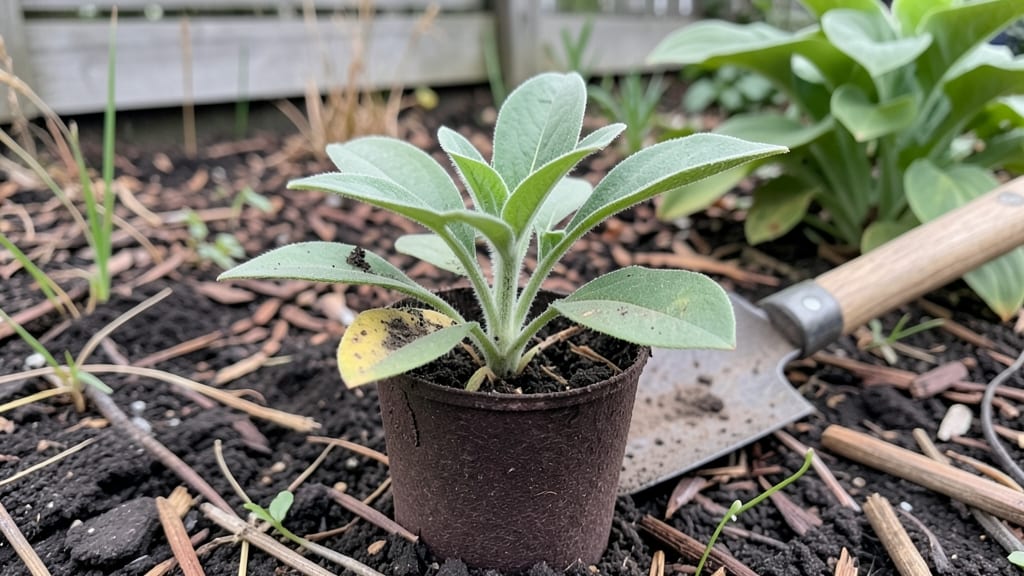
To plant perennials in spring, time it after your last frost when soil reaches at least 60°F (15°C) and nighttime temps stay above freezing. Zone 5+ gardens can start in March, while Zone 8+ can begin as early as February. For clumping perennials, divide them in early spring before new growth appears.
Timing matters because perennials establish deeper roots when planted in warm soil, giving them a stronger start. 🌱 In cooler zones, waiting until mid-April ensures the ground isn't still frozen, while impatient gardeners in Zone 8 might rush planting too early and face heat stress.
I always check soil temps with a thermometer—it's the most reliable way to avoid guesswork.
Another pro tip: observe your local flora. When crocuses bloom, it's often a sign that the ground is thawing enough for planting. This natural cue aligns with soil warming trends better than calendar dates alone.
For heat-loving perennials like lavender or salvia, wait until after the last frost—these plants thrive in warmer conditions and can suffer if planted too soon.
💡 In This Article
- Spring Planting Timing by USDA Hardiness Zones
- Signs Your Garden Is Ready for Perennial Planting
Spring planting timing by USDA hardiness zones
The USDA's 13 hardiness zones (3-10) provide a baseline for when to plant perennials, but the real magic happens when you combine zone data with soil temperature thresholds. Here's what's actually happening: Perennials need warm soil—ideally 60°F (15°C) or above—to activate root growth.
In Zone 3 (like Minneapolis), this might not happen until mid-May, while Zone 10 (Miami) can plant as early as January. The key factor is soil temperature, not air temperature—roots can't absorb nutrients efficiently in cold ground, even if daytime highs are pleasant.
Frost risk varies dramatically by zone and microclimate. Coastal areas (like San Francisco, Zone 9) often have milder nights due to ocean moderation, allowing earlier planting than inland locations at the same latitude.
For example, Zone 5 inland (Chicago) may wait until May 1, while Zone 5 coastal (Seattle) could plant by April 15.
Heat-sensitive perennials like peony or hosta need cooler soil to establish, while heat-lovers like yarrow or black-eyed Susan can handle 70°F+ soil and may thrive with earlier planting.
The science behind this involves root zone temperature and photosynthesis timing. Perennials planted in 50°F (10°C) soil or below may experience root rot from poor drainage or stunted growth from delayed nutrient uptake.
Meanwhile, leaves that emerge too early in cold snaps can get frost damage, setting back the plant's entire season. This is why gardeners in Zone 4-6 often wait until after Mother's Day—statistically, this reduces frost risk by 80% compared to planting in April.
Here's a practical breakdown by zone with soil temperature triggers:
- Zones 3-4: Wait until soil reaches 60°F (15°C) (typically late May)
- Zones 5-6: Plant when soil hits 55°F (13°C) (usually mid-April)
- Zones 7-8: Start at 50°F (10°C) (as early as February-March)
- Zones 9-10: Soil can be 65°F+ (18°C+) year-round—plant anytime
What most people don't realize is how microclimates override zone averages. A south-facing slope warms 2-3 weeks earlier than a north-facing garden bed, while urban heat islands can create 5°F warmer soil temperatures in city centers.
For example, New York City (Zone 7) might plant 2 weeks earlier than upstate farms due to concrete and asphalt retaining heat. Always test your specific planting spot with a soil thermometer—it's the only way to get precise data.
For clumping perennials like daylilies or iris, early spring division (before March 15) gives roots 6-8 weeks to establish before summer heat. This head start means 30% larger blooms the first year compared to summer divisions.
The exception? Tender perennials like canna lilies should wait until after all frost risk—they can't tolerate even light freezes.