
Succulent
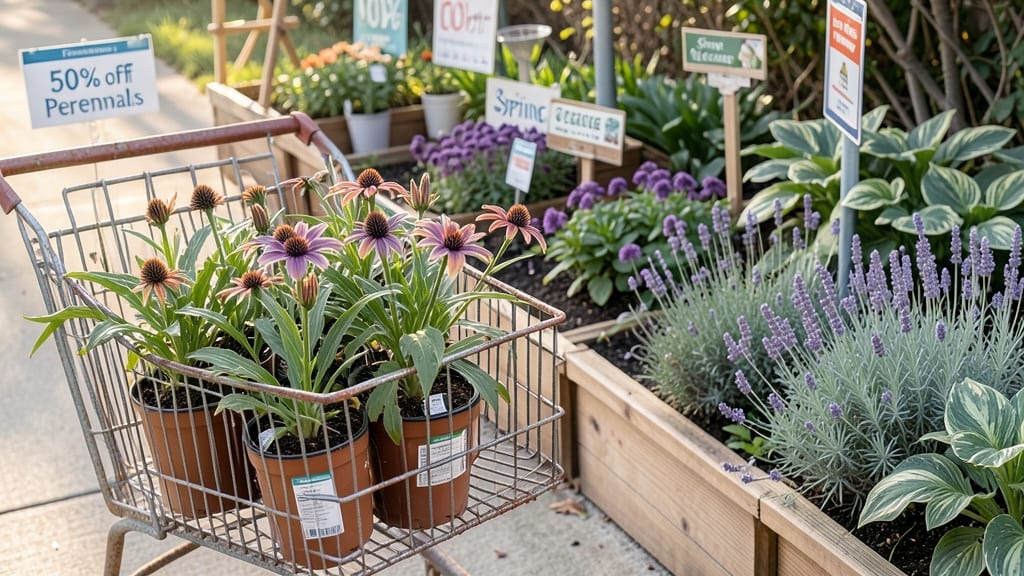
Perennials go on sale in late winter through early spring, typically starting in February (especially in colder climates) and peaking in March-April before the growing season begins. Discounts also appear in fall, as stores clear inventory for winter. Timing varies by region and retailer, with early sales in the South and later in the North.
Timing matters because nurseries align sales with local frost dates—plants need to establish roots before summer heat sets in. 🌱 In warmer zones like Florida or Southern California, you might spot deals as early as January, while Northern states wait until April.
Fall sales, though less common, often coincide with holiday promotions or end-of-season clearances.
Pro tip: Sign up for store emails to catch early alerts, and visit in-person during clearance events (like Mother’s Day weekend) for deeper discounts. Local nurseries frequently offer better deals than big-box stores, especially for rare varieties.
💡 In This Article
- Seasonal Perennial Sale Patterns by Climate Zone
- Best Stores for Perennial Discounts and Their Sale Strategies
Seasonal perennial sale patterns by climate Zone
The timing of perennial sales directly correlates with USDA hardiness zones and local frost dates, which determine when gardeners can safely plant without risking frost damage.
In Zones 3-5 (Northern US and Canada), sales kick off in late February to early March because the ground remains frozen until April, and nurseries want to move inventory before spring planting rush.
Meanwhile, in Zones 6-8 (Mid-Atlantic to Southern US), discounts appear as early as January—sometimes even late December—since the last frost typically occurs by early March, giving gardeners a head start.
Coastal regions add another layer of complexity. Areas like San Francisco (Zone 9-10) or Miami (Zone 10-11) see perennial sales year-round, but the deepest discounts happen in late winter (February) to align with the start of the rainy season, which is ideal for planting.
Inland desert climates (e.g., Phoenix, Zone 9-10) delay sales until March-April to avoid selling plants that might wilt in early spring heat. Nurseries also adjust pricing based on storage costs—perennials kept in cold storage for months accrue higher expenses, so stores discount them aggressively when planting season approaches.
What most gardeners don’t realize is how store restocking cycles influence sales. Big-box retailers like Home Depot and Lowe’s receive new perennial shipments in late winter, which triggers their clearance of older stock.
This creates a domino effect: local nurseries, seeing the big chains discount, follow suit to stay competitive.
In the South, where gardening seasons overlap, you might even find fall sales (September-October) for plants like mums or asters, which thrive in cooler weather and help nurseries clear summer inventory before winter slows sales.
Here’s how to use this knowledge: If you’re in Zone 4 or colder, prioritize visiting nurseries in early April for the best selection and deepest discounts—stores often slash prices by 30-50% to make room for summer annuals.
In Zones 7-9, January sales offer the best value, but act fast—popular perennials like lavender or Russian sage sell out within days. Coastal gardeners should watch for rainy-season promotions, while desert dwellers should wait until after Easter for optimal planting conditions.
Pro tip: Check your local cooperative extension service for precise frost dates—some years, an early warm spell can shift sale timing by weeks. For example, in 2023, a mild winter in the Midwest led to March sales starting in late February, catching many shoppers off guard. 🌱
Finally, consider plant maturity when timing purchases. Bare-root perennials (like peony or iris) are often discounted in early spring because they’re easier to store than potted plants.
Meanwhile, potted perennials (like hostas or daylilies) hit their lowest prices in late spring, as nurseries prepare for summer bedding plant arrivals.