
Flowers
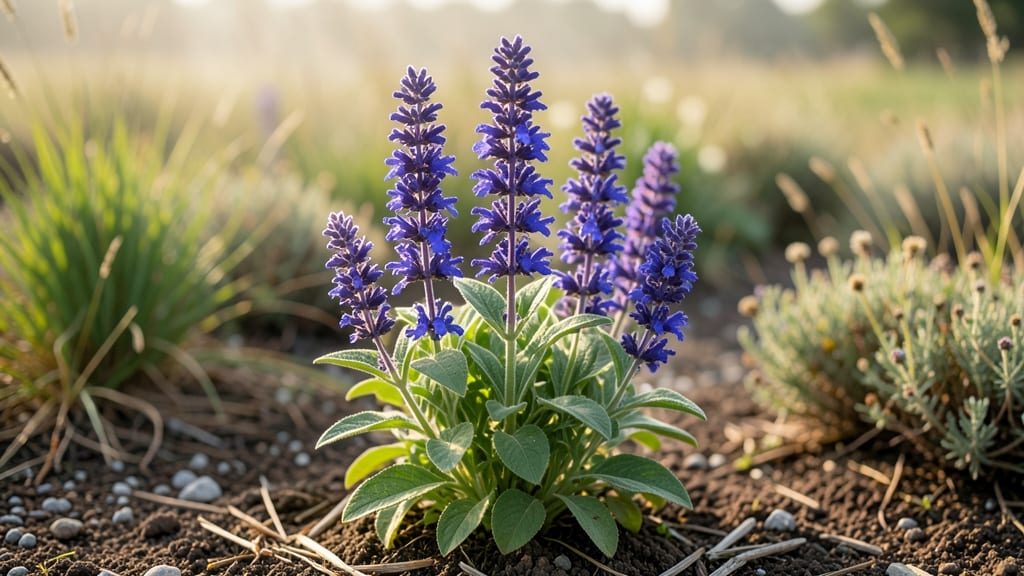
Victoria Blue Salvias perennials thrive in cold zones with winter protection, well-draining soil, and full sun exposure. Mulch heavily in fall, prune lightly after flowering, and avoid overwatering to ensure vibrant blue blooms year after year.
These stunning blue perennials actually hail from Mediterranean climates but have proven remarkably adaptable to cold zones with the right care. 💫 The key lies in mimicking their natural environment—think of it as creating a micro-climate where they can thrive despite winter chills.
Their deep roots naturally insulate against freezing, but that's only half the battle; proper soil drainage and strategic mulching become your secret weapons against harsh winters.
The real magic happens in fall when you prepare for winter. Heavy mulching (think 4-6 inches of organic material) acts like a blanket, protecting roots from temperature swings while preventing soil compaction.
And here's a pro tip: never let the soil freeze solid—this can damage those delicate roots that work so hard to bring you those gorgeous blue blooms every season.
💡 In This Article
- Cold-Hardy Victoria Blue Salvias Survival Strategies
- Step-by-Step Winter Care for Victoria Blue Salvias
Cold-hardy Victoria Blue Salvias survival strategies
Victoria Blue Salvias have evolved a clever survival mechanism to endure cold winters despite their Mediterranean roots. Their deep taproots—often extending 3-5 feet down—act as natural insulation, accessing moisture and nutrients while shielding the plant from freezing temperatures.
This root system allows them to tolerate brief dips to -10°F when properly protected, though prolonged exposure below 0°F can damage foliage. The real adaptation lies in their ability to enter dormancy, where metabolic activity slows dramatically, conserving energy until spring warmth returns.
The Mediterranean climate these plants originate from features hot, dry summers and mild, wet winters—nothing like our cold zones! To mimic these conditions, focus on two critical factors: well-draining soil and full sun exposure.
The soil should never stay soggy; Victoria Blue Salvias despise "wet feet" which leads to root rot. In colder regions, amend heavy clay soils with 30-40% perlite or coarse sand to improve drainage.
Full sun (6+ hours daily) helps the plants build energy reserves during growing seasons, making them more resilient when winter arrives. 💫
Mulching becomes your most powerful tool for cold protection. Organic mulches like straw or shredded leaves (applied at 4-6 inches deep) create an insulating layer that moderates soil temperature swings. This layer also prevents soil heaving—a process where freezing and thawing cycles push roots out of the ground.
The mulch's decomposition adds organic matter over time, improving soil structure while gradually releasing nutrients. What's fascinating is how this mimics the natural leaf litter found in Mediterranean woodlands where wild Salvias grow.
Another critical survival strategy involves understanding the plant's growth cycle. Victoria Blue Salvias grow best when temperatures are between 60-75°F—cooler than many gardeners realize. Their flowering period typically occurs in late spring to early summer, after which they focus on root development to prepare for winter.
This is why pruning should be minimal after flowering; removing too many stems reduces the plant's ability to store energy for dormancy. The key is to let them grow strong before winter sets in.
For gardeners in zones 5-7, where winters can be particularly harsh, consider adding a layer of burlap or frost cloth over the mulch during the coldest months. This extra protection can raise soil temperatures by 5-10°F, making a significant difference in root survival.
The plants will often push through this covering in spring, emerging with vibrant blue blooms that seem almost magical after a long winter nap. This layered approach—deep roots, proper soil, strategic mulching, and seasonal protection—is what allows Victoria Blue Salvias to thrive where many other perennials would struggle.