
Size
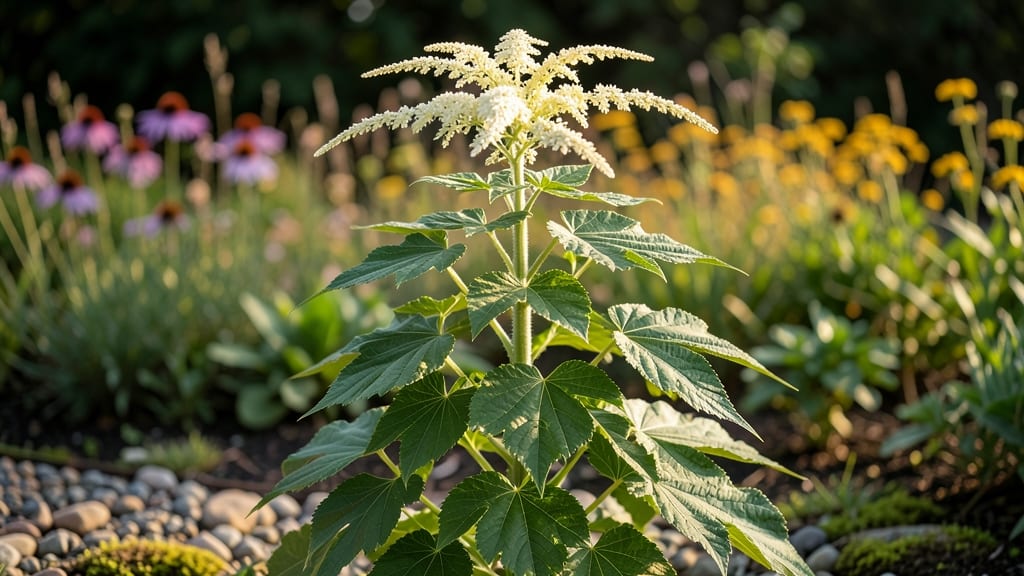
Tall white perennials create dramatic vertical accents in gardens through their graceful blooms and sturdy stems, flourishing in sunlit or partially shaded spaces for continuous seasonal interest. Standout varieties like peony, hollyhock, and white beard tongue deliver both height and elegance.
These towering beauties aren't just about looks—they serve as natural focal points that draw the eye upward, instantly making smaller gardens feel grander. 🌸 Many varieties also attract pollinators while requiring minimal upkeep once established, making them perfect for both beginner and experienced gardeners.
The key to their success lies in their adaptability: most thrive in well-drained soil and can handle everything from morning sun to afternoon shade, depending on the specific plant.
What sets these perennials apart is their ability to provide structure throughout the growing season. For example, peonies burst with early summer blooms while hollyhocks continue flowering well into fall, creating a seamless transition of color and height.
Their white hues also work beautifully with nearly any color scheme, from bold purples to soft pastels, making them incredibly versatile design elements.
💡 In This Article
- Why Tall White Perennials Elevate Garden Design
- Top 5 Tall White Perennials for Every Garden Type
Why tall white perennials elevate garden design
Tall white perennials create architectural interest by adding vertical dimension to garden spaces, which studies show can make areas appear up to 30% larger through visual expansion techniques. Their clean, bright blooms reflect more light than darker flowers, creating a brighter, more open feeling in any setting.
The height contrast they provide—often reaching 4-6 feet—works particularly well against low-growing plants, instantly drawing the eye upward and creating focal points that guide garden layouts.
The science behind their popularity lies in their seasonal bloom timing, which ensures continuous interest. For example, peonies bloom in early summer while hollyhocks continue flowering well into fall, providing a seamless transition of color and structure.
This extended bloom period also supports pollinators like bees and butterflies, which are attracted to the abundant nectar and pollen. 🌸 The white color palette acts as a natural "blank canvas," allowing these plants to complement nearly any color scheme while maintaining a fresh, elegant appearance.
Functionally, these perennials serve multiple design roles beyond just height. They can act as privacy screens when planted in clusters, or as backdrop plants for shorter annuals. Their deep root systems also improve soil structure over time, reducing erosion and improving drainage.
Many varieties, like white beard tongue, thrive in partial shade, making them versatile for gardens with varying light conditions—whether that's morning sun or filtered light through trees.
What makes them particularly appealing for modern gardens is their low-maintenance nature. Once established, most tall white perennials require minimal care—just occasional deadheading to encourage more blooms and division every 3-5 years to maintain vigor.
Their adaptability to different soil types (though well-drained soil is ideal) means they can thrive in everything from clay to sandy loam, making them perfect for both urban and rural settings.
Consider how their structural benefits compare to other garden elements: unlike annuals that need replanting each year, these perennials provide year-round height with minimal effort.
For instance, a 5-foot hollyhock planted in a border will continue to grow taller each season, while its white blooms create a stunning contrast against purple or blue companion plants. This combination of beauty and functionality is what makes them a gardener's secret weapon for creating impactful, low-fuss landscapes.
Their visual appeal also extends to their foliage. Many tall white perennials, like white giant fleece flower, have silvery or fuzzy leaves that add texture contrast even when not in bloom.
This dual-layered interest—both from flowers and foliage—ensures your garden remains dynamic throughout the seasons, from spring's fresh growth to winter's dormant stems that provide structural interest against snow.