
Planting
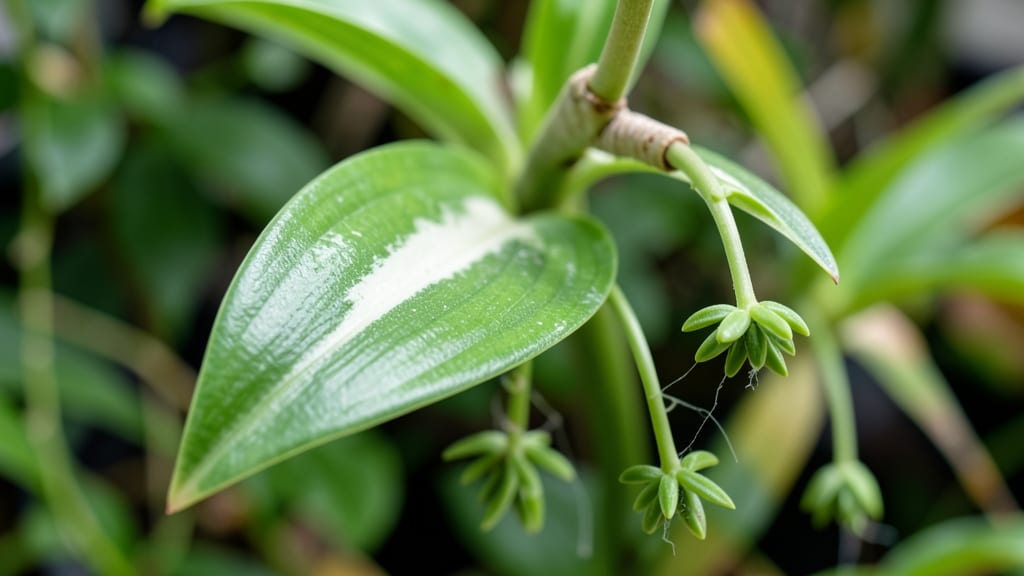
Spider plants are perennial because they enter seasonal dormancy in winter, storing energy in their underground rhizomes before regrowing each spring. This cycle makes them hardy in USDA zones 9-11, where they return stronger annually with proper care.
This unique survival strategy sets spider plants apart from many houseplants. 🌱 Their rhizomes act like natural batteries, storing nutrients and moisture to fuel regrowth when conditions improve.
Unlike annuals that complete their life cycle in one season, spider plants have evolved to pause growth during colder months—almost like hibernating—before bursting back to life with new foliage in spring. The key to maintaining this cycle is understanding their natural rhythms and adjusting care routines accordingly.
What's fascinating is how these plants balance their dual nature—thriving both indoors and outdoors in warmer climates. Their ability to adapt makes them one of the most resilient houseplants around. The secret lies in their deep root systems and remarkable ability to conserve resources during dormancy periods.
This built-in survival mechanism is why spider plants can live for years with proper attention to their seasonal needs.
💡 In This Article
- How Spider Plants Survive as Perennials
- Caring for Spider Plants Through Winter Dormancy
How spider plants survive as perennials
The secret to spider plants' perennial nature lies in their specialized underground structures called rhizomes. These thick, horizontal stems store carbohydrates, water, and nutrients like a natural energy reserve.
During winter months, when temperatures drop below 60°F, the plant's foliage yellows and dies back—a process called senescence—but the rhizomes remain dormant yet alive. This is similar to how onions or tulips survive winter, though spider plants lack true bulbs.
Their rhizomes can continue growing even when above-ground growth halts, allowing them to recover quickly once warmer temperatures return in spring.
Temperature sensitivity is critical to this cycle. Spider plants naturally enter dormancy when nighttime temperatures consistently fall below 55°F for several weeks. This triggers hormonal changes that redirect energy storage to the rhizomes.
In USDA zones 9-11, where winters rarely drop below 40°F, they can remain semi-dormant but still grow slowly.
The contrast with annual plants is striking: while annuals complete their entire life cycle in one season, spider plants pause growth but maintain their root systems, ready to resume when conditions improve. This makes them more resilient than many tropical houseplants that can't tolerate any cold exposure.
The rhizome's storage capacity is remarkable—some mature specimens can store enough energy to support 6-12 months of dormancy. This explains why established spider plants often bounce back more vigorously than younger ones after winter. The thicker the rhizome network, the more reserves available for new growth.
For example, a 3-year-old plant with well-developed rhizomes might produce 30-50% more foliage in spring compared to a 1-year-old specimen. This growth advantage comes from the stored energy acting like a biological savings account.
What makes spider plants particularly adaptable is their ability to balance indoor and outdoor survival strategies. While they thrive as houseplants year-round in most climates, their outdoor cousins in warmer zones exhibit true perennial behavior.
The key difference is light exposure: outdoor plants receive seasonal light variations that trigger natural dormancy cycles, while indoor plants rely entirely on temperature cues. This dual capability explains why spider plants remain popular in both container gardening and indoor decor—they've evolved to be flexible survivors in changing environments.
Comparing them to other popular perennials reveals their unique advantages. Unlike succulents that store water in leaves or bulbs that store nutrients in modified stems, spider plants distribute their reserves across an extensive rhizome network. This makes them more forgiving when it comes to watering fluctuations during dormancy.
For instance, while a lily bulb might rot if overwatered during dormancy, a spider plant's rhizomes can handle occasional moisture because their structure allows for better drainage and oxygen exchange. This built-in resilience is why they're often recommended for beginner gardeners.
The science behind this survival mechanism involves complex hormonal regulation. As temperatures drop, the plant increases production of abscisic acid, a hormone that triggers dormancy and conserves resources. Simultaneously, it reduces growth hormones like auxin that promote leaf expansion.
This hormonal shift explains why spider plants often drop their lower leaves first—it's not a sign of stress but rather a strategic conservation of energy. The result is a plant that can "wait out" unfavorable conditions while remaining ready to burst back to life when spring arrives.