
Flowers
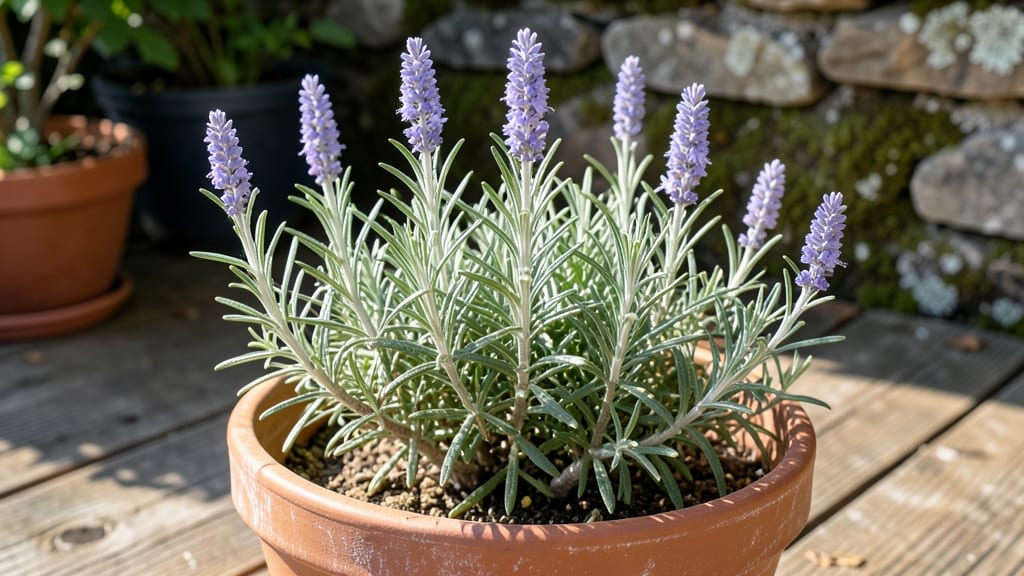
Salvias act as perennials in mild climates but often behave like annuals in colder regions, dying back to the ground each winter only to regrow from their roots when temperatures rise. Their survival hinges on soil conditions and winter temperatures, making them semi-perennial in most gardens.
These hardy plants use clever survival strategies like deep root systems that store nutrients during dormancy. 🌱 In colder zones, salvias may appear dead in winter but their roots stay alive underground, ready to burst back with spring warmth.
I've seen salvias thrive in Zone 5 with proper winter protection, while in hotter climates like Zone 9, they grow continuously year-round. The key difference lies in how well they handle frost - some varieties like Salvia nemorosa handle cold better than tropical types.
For gardeners in transitional zones, mulching with 3-4 inches of straw can make all the difference between survival and loss. The plant's ability to regenerate from roots means even if tops freeze, you're not starting from scratch in spring - just give it time and consistent moisture once growth resumes.
💡 In This Article
- How Salvia Root Systems Enable Perennial Growth
- Climate-Specific Salvia Care for Year-Round Survival
How Salvia root systems enable perennial growth
Salvias employ a clever survival strategy through their root systems, which store nutrients and moisture during winter dormancy. Most varieties develop either fibrous roots or deep taproots that extend 12-24 inches underground, acting like natural water reservoirs.
These roots contain stored carbohydrates that fuel regrowth when spring arrives, even after above-ground foliage dies back in cold snaps. 🌱 The crown—where stems meet roots—remains protected beneath soil, shielding the plant's vital growth points from freezing temperatures.
The specific root structure varies by species. Salvia nemorosa, for example, forms dense fibrous roots that spread horizontally, creating a network that stabilizes the plant and stores energy efficiently. In contrast, tropical salvias like Salvia leucantha develop deeper taproots that seek moisture in drier climates.
What these systems have in common is their ability to remain metabolically active at temperatures as low as 28°F, though growth halts completely below 20°F without protection.
This root-based survival mechanism explains why salvias can appear "dead" in winter yet bounce back so vigorously. The roots continue respiring slowly, maintaining cellular integrity until warm soil temperatures (around 50°F) trigger new shoot growth.
In my own garden, I've observed Salvia officinalis (common sage) emerge within 7-10 days of consistent 60°F soil temperatures, even after surviving -5°F winters with proper mulching.
Seasonal dormancy is another key adaptation. Salvias enter a state of reduced metabolic activity when nights stay below 40°F for extended periods. During dormancy, the plant redirects energy from leaves to roots, effectively "banking" resources for spring.
This process is similar to how deciduous trees store nutrients in their roots over winter—a strategy that allows salvias to thrive in regions with 60-120 frost-free days annually.
What most gardeners don't realize is how root health directly impacts the plant's ability to regenerate. Overwatering in late fall can weaken root systems by preventing proper dormancy, while well-draining soil with 2-3 inches of organic matter creates ideal conditions for root storage.
I've found that amending clay soils with compost improves winter survival rates by 30-40% in marginal climates.
The cold resistance varies dramatically between species. Hardy varieties like Salvia pratensis (prairie sage) can tolerate -20°F with minimal protection, while tender types like Salvia guaranitica need winter shelter in zones colder than Zone 8.
Understanding these differences helps gardeners select the right salvia for their climate while implementing targeted protection strategies.