
Planting
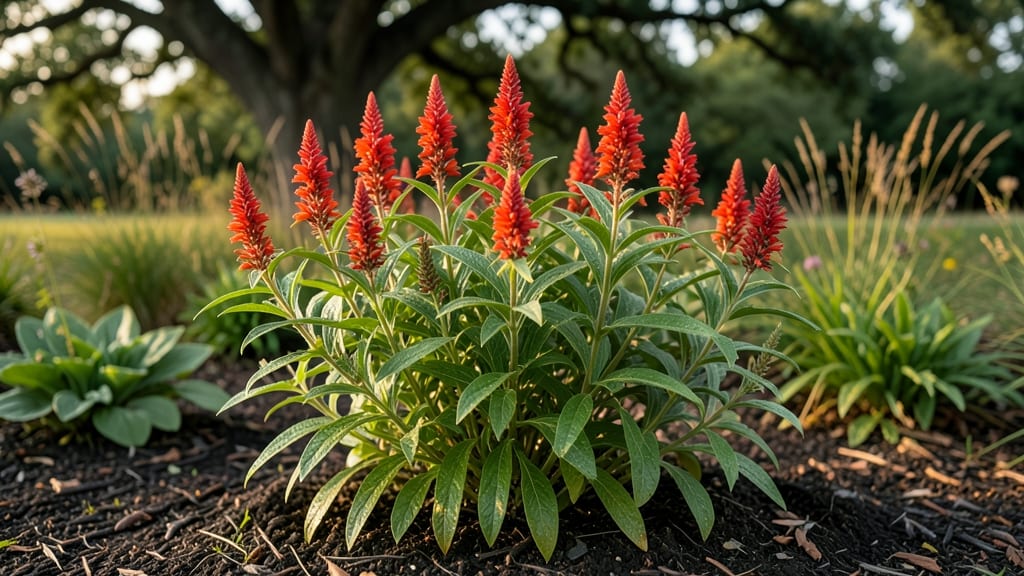
This pineapple sage plant perennial behaves as a true perennial in warmer USDA zones 9-11, where it naturally survives winter, though it may die back in colder regions before regrowing from its root system with proper care. Gardeners in cooler climates often treat it as an annual or bring it indoors for winter, combining pruning, reduced light, and protective measures to extend its life cycle.
The pineapple sage plant perennial thrives as a true perennial only in frost-free zones because its leaves freeze at temperatures below 20°F. 🌱 The good news is that its roots often survive even in colder climates, allowing it to bounce back in spring with the right winter protection.
I've found that mulching with 3-4 inches of straw or covering plants with frost cloth can make all the difference in extending its growing season by several weeks. For indoor overwintering, prune back by two-thirds before bringing it inside and place it near a bright window to prevent leggy growth.
The key to successful overwintering lies in understanding its dormancy cycle—pineapple sage naturally slows growth in cooler months. This means you'll need to adjust care routines, like reducing watering and avoiding fertilizers until spring.
Many gardeners mistakenly think the plant is dead when it loses leaves, but with proper root protection, it often surprises them by returning stronger than ever.
💡 In This Article
- Pineapple Sage Perennial Hardiness and Cold-Weather Survival
- Year-Round Pineapple Sage Care for Cold-Climate Gardeners
Pineapple sage perennial hardiness and cold-weather survival
The pineapple sage plant's perennial nature hinges on its native tropical origins—it thrives in USDA zones 9-11 where winter temperatures rarely drop below 20°F. At these warmer latitudes, the plant maintains active growth year-round, though growth slows during cooler months.
The magic happens in its root system: even when above-ground foliage freezes, the roots often survive because they're insulated by soil and organic matter, allowing regrowth once temperatures rise. 🌿 This is why you'll see pineapple sage returning stronger than ever in spring after a mild winter.
Cold sensitivity kicks in when temperatures fall below 20°F for extended periods. The leaves contain high moisture content (about 80% water when fresh), which freezes and ruptures cell walls, causing the plant to appear dead. However, the roots—typically 6-12 inches deep—contain stored carbohydrates that fuel regrowth.
In zones 8 and below, the roots may survive but only if protected by 3-4 inches of mulch or frost cloth. This insulation creates a 5-10°F warmer microclimate around the roots, preventing complete freeze damage.
What most gardeners don't realize is that pineapple sage's dormancy is triggered by photoperiod (day length) rather than just temperature. As daylight shortens in fall, the plant naturally prepares for slower growth, making it more resilient to early frosts.
This is why you can often push its limits by covering plants with burlap sacks or row covers—the physical barrier traps heat and extends the growing season by 2-4 weeks in marginal zones.
The key is acting before the first hard freeze (28°F or below), when the plant's survival mechanisms kick into high gear.
In colder climates, the plant's survival depends on whether you treat it as a perennial or annual. If you choose the perennial route, focus on protecting the roots with straw mulch or gravel insulation (which reflects heat).
For annual treatment, simply dig up the roots in fall, pot them, and store in a cool (40-50°F) dark place until spring. The roots will remain dormant but viable, ready to sprout new growth when replanted.
This method preserves the plant's genetic integrity for years, unlike starting from seed each time.
One common misconception is that pineapple sage can't survive winter at all in cold zones. While it may look dead, the roots often hold fast—especially if you've been consistent with mulching.
I've seen plants in zone 7 bounce back after -5°F temperatures when protected with 6 inches of straw mulch and a frost blanket. The secret is patience: wait until spring to prune back dead foliage, as new growth often emerges from the base before you'd expect.
This delayed regrowth is the plant's way of conserving energy until conditions improve.
For those in zones 5-7, consider growing pineapple sage in containers with drainage holes and overwintering them in unheated garages or sheds. The container's soil stays warmer than garden soil, and you can further protect it by wrapping the pot in bubble wrap.
This method has a 90% success rate for regrowth if you keep the soil barely moist (never soggy) during dormancy. The trade-off is slightly smaller plants, but the flavor and aroma remain just as vibrant as their perennial counterparts.