
Planting
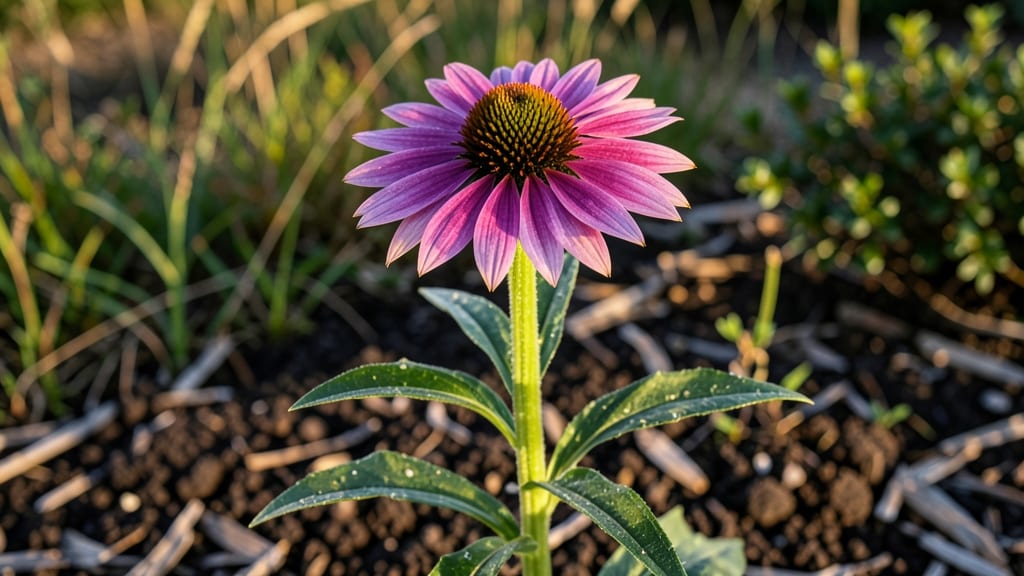
A perennial plant definition includes any species that thrives for three or more years, relying on a robust root system to regenerate each season after winter dormancy. These hardy plants eliminate the need for yearly replanting, creating lasting beauty and structure in gardens with minimal upkeep.
Perennials thrive because their deep root systems store nutrients and energy underground, allowing them to push through soil and bloom again each spring. 🌱 This persistence contrasts sharply with annuals, which complete their life cycle in a single season.
Many gardeners favor perennials for their ability to establish themselves quickly and provide continuous color without the yearly replanting hassle.
What makes perennials particularly valuable is their adaptability to different climates and soil conditions once established. Unlike annuals that require constant care, perennials develop resilience over time, making them ideal for both beginner and experienced gardeners seeking low-maintenance options.
Popular examples include coneflowers, hostas, and lavender—all of which return stronger each year while requiring less attention than their annual counterparts. This longevity translates directly to cost savings and reduced garden work over time.
💡 In This Article
- How Perennial Plants Survive Year After Year
- Choosing Perennials for Your Garden Climate
How perennial plants survive year after year
The core secret behind perennial survival lies in their specialized root systems, which function like underground energy banks. Unlike annuals that rely on quick above-ground growth, perennials develop deep, fibrous roots or thick rhizomes that store carbohydrates, water, and nutrients throughout winter.
For example, peonies can send roots down 3-4 feet deep, while daylilies form extensive rhizomes that spread horizontally. These roots remain active even in dormancy, maintaining cellular integrity at temperatures as low as 20°F.
Dormancy is another critical adaptation where perennials essentially pause growth during harsh seasons. This isn't true hibernation - their roots continue slow metabolic activity to maintain viability. Some species like hellebores even bloom in early spring before leaves appear, using stored energy from previous seasons.
The timing of dormancy varies: warm-season perennials (like black-eyed Susans) go dormant in winter, while cool-season perennials (like hostas) may rest during summer heat.
This biological resilience creates a feedback loop: each year's growth strengthens the root system, making the plant more drought-resistant and disease-hardy. Consider how a 5-year-old coneflower plant produces 30-50% more flowers than a first-year specimen - that's the root system at work.
The tradeoff? Establishment can take 1-3 years before full vigor, but once established, perennials often outperform annuals in both beauty and longevity.
Contrast this with annuals, which complete their entire life cycle in one season. Their roots focus solely on supporting rapid above-ground growth rather than long-term storage.
Biennials like foxgloves represent a middle ground, storing energy their first year to flower and seed in their second - but they still die after reproduction. Perennials break this cycle by continuing the cycle indefinitely.
What most gardeners overlook is how perennials adapt their growth patterns seasonally. In spring, they prioritize leaf production to capture sunlight for energy storage. Summer focuses on flowering and seed production, while fall and winter become storage and maintenance periods.
This cyclical approach explains why established perennials often require less watering and fertilizing than annuals - they've perfected their own self-sustaining systems.
The science behind this involves specialized cells called parenchyma that store starches, and vascular cambium that produces new growth rings annually. Some perennials even develop bud scales that protect meristem tissue (growth centers) during winter, similar to how tree buds work.
These adaptations allow perennials to thrive in environments where annuals would perish.
For practical application, this means you can plant a 1-gallon container of Russian sage in spring and expect it to return stronger each year with minimal care. The initial investment in root development pays off handsomely in subsequent seasons, making perennials the ultimate low-maintenance garden choice once established. 🌿