
Landscaping
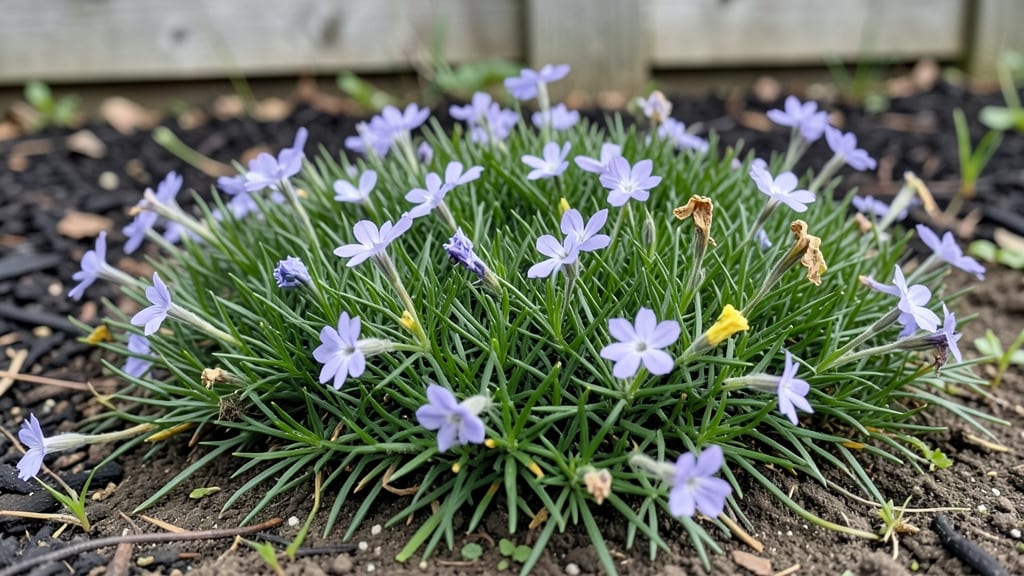
Growing a perennial phlox ground cover 🌸 is like adding a burst of color to your garden without the fuss—if you pick the right varieties for your shady spots.
If you're tired of battling weeds or struggling to find a plant that stays lush in low-light areas, this could be your game-changer. Perennial phlox not only thrives in partial shade but also spreads beautifully, creating a dense, vibrant carpet that blooms year after year.
But here’s the catch: not all phlox varieties spread the same way. Some clump tightly, while others send out runners that fill in gaps effortlessly.
In this guide, I’ll walk you through the best low-maintenance types for ground cover, how to plant them for maximum impact, and the simple care routine that keeps them thriving for seasons to come.
Ready to transform those tricky shady patches into a showstopping garden feature? Let’s get started with the top varieties and planting tips that make all the difference.
How perennial phlox spreads: growth habits & best spreading varieties for ground cover
Perennial phlox is a fantastic choice for ground cover because of its natural spreading habits, but not all varieties behave the same way. Some grow in tight clumps, while others send out stolons or runners to create dense carpets.
Understanding these growth patterns helps you select the right type for your garden's needs—whether you want controlled spread or a fast-growing ground cover.
The key difference lies in how phlox multiplies: clumping phlox grows outward from a central crown, while spreading phlox uses underground stems or stolons. The latter is ideal for covering large areas quickly, but it requires regular maintenance to prevent overcrowding.
If you're aiming for a low-maintenance ground cover, focus on varieties that balance spread with manageable growth.
Phlox subulata (moss phlox) is the most popular spreading type, forming dense mats with tiny flowers. Meanwhile, Phlox stolonifera spreads via stolons, creating a lush, ground-hugging display. Both thrive in partial shade and well-draining soil, making them perfect for shady garden spots where other plants struggle.
Here’s how these varieties compare in terms of spread, height, and care requirements:
<comparison-table>| Variety | Spread Type | Mature Spread | Height | Best For |
|---|---|---|---|---|
| Phlox subulata | Stoloniferous (creeping) | 12–18 inches | 3–6 inches | Rock gardens, slopes, borders |
| Phlox stolonifera | Stoloniferous (aggressive) | 24–36 inches | 12–18 inches | Shady ground cover, woodland gardens |
| Phlox paniculata | Clumping | 12–18 inches | 24–36 inches | Border plants, cut flowers |
| Phlox divaricata | Slow-spreading | 12–18 inches | 12–18 inches | Woodland edges, shade gardens |
If you're after a fast-spreading ground cover, Phlox stolonifera is your best bet—it can fill gaps in just one growing season. However, its aggressive spread may require regular pruning to keep it in check.
For a more controlled look, Phlox subulata is ideal; it spreads slowly but forms a dense, carpet-like mat that suppresses weeds naturally.
For shady gardens, prioritize Phlox divaricata or Phlox stolonifera, both of which tolerate low light better than sun-loving varieties. These types thrive under dappled shade or in areas with morning sun and afternoon shade, making them perfect for under trees or along north-facing walls.
When planting for ground cover, space your phlox 12–18 inches apart to allow room for natural spread. Over time, these plants will fill in gaps, creating a lush, weed-suppressing layer.
If you notice bare spots after a few years, simply divide the clumps in early spring and transplant them to fill gaps or share with fellow gardeners.
One common mistake is assuming all phlox spread aggressively. Clumping varieties like Phlox paniculata grow upright and rarely spread, making them better for borders or small gardens.
In contrast, spreading types like Phlox subulata are designed to cover ground, so plant them where you want to suppress weeds or soften hardscapes.
To encourage the best spread, mulch around your phlox with organic matter like shredded leaves or compost. This retains moisture, reduces weeds, and signals the plant to focus on horizontal growth rather than just vertical flowering. Avoid heavy mulch, which can smother the stolons and stunt spread.
For a low-maintenance ground cover, combine spreading phlox with complementary plants like heuchera or ajuga. These pairings create layered textures while keeping the phlox’s vibrant blooms as the star. With the right variety and care, your phlox will transform bare spots into a colorful, self-sustaining garden carpet.
Top 5 low-growth perennial phlox for shady gardens: compact varieties & planting tips
If you love the delicate blooms of perennial phlox but struggle with aggressive spreaders taking over your garden, you’re in luck. Not all phlox varieties sprawl wildly—some stay neatly contained while still delivering stunning color.
These low-growth phlox varieties thrive in shady spots and require minimal maintenance, making them perfect for borders, woodland gardens, or under trees.
When selecting compact phlox for ground cover, focus on dwarf or slow-spreading types that mature between 6 to 18 inches tall. These varieties form dense clumps rather than sending out long runners, so they won’t invade nearby plants.
Pair them with mulch and proper spacing to keep their growth in check while maximizing their vibrant blooms.
Top 5 Low-Growth Perennial Phlox for Shady Gardens
- Phlox stolonifera 'Blue Ridge' – Dwarf creeping phlox with sky-blue flowers; spreads slowly via stolons; ideal for rock gardens or woodland edges.
- Phlox subulata 'Scarlet Flame' – Moss phlox with fiery red blooms; stays under 6 inches tall; perfect for shady slopes or container gardens.
- Phlox divaricata 'Blue Moon' – Wild blue phlox with fragrant lavender blooms; clumping habit; thrives in dappled shade under trees.
- Phlox paniculata 'David' – Compact garden phlox with deep pink flowers; reaches 2 feet tall but stays bushy; loves morning sun.
- Phlox subulata 'Emerald Pink' – Low-growing moss phlox with blush-pink blooms; spreads 6 inches wide annually; great for ground cover in partial shade.
For all these varieties, plant in well-draining soil with a pH of 6.0 to 7.0. Amend heavy clay with compost or sand to improve drainage.
Space plants 12 to 18 inches apart to allow airflow and reduce competition, which helps prevent fungal issues like powdery mildew—a common problem in shady, humid conditions.
Water newly planted phlox deeply once a week to encourage root growth, then taper to bi-weekly watering once established. These varieties are drought-tolerant once their roots are settled, but they’ll reward you with longer bloom times if kept consistently moist.
Apply a 2-inch layer of mulch around the base to retain moisture and suppress weeds.
Deadhead spent blooms in early summer to encourage a second flush of flowers, but avoid cutting back foliage until late fall. This practice keeps your shady garden looking tidy while supporting next year’s growth.
With the right variety and care, these low-growth phlox will transform your dark corners into a colorful, low-maintenance paradise.