
Flowers
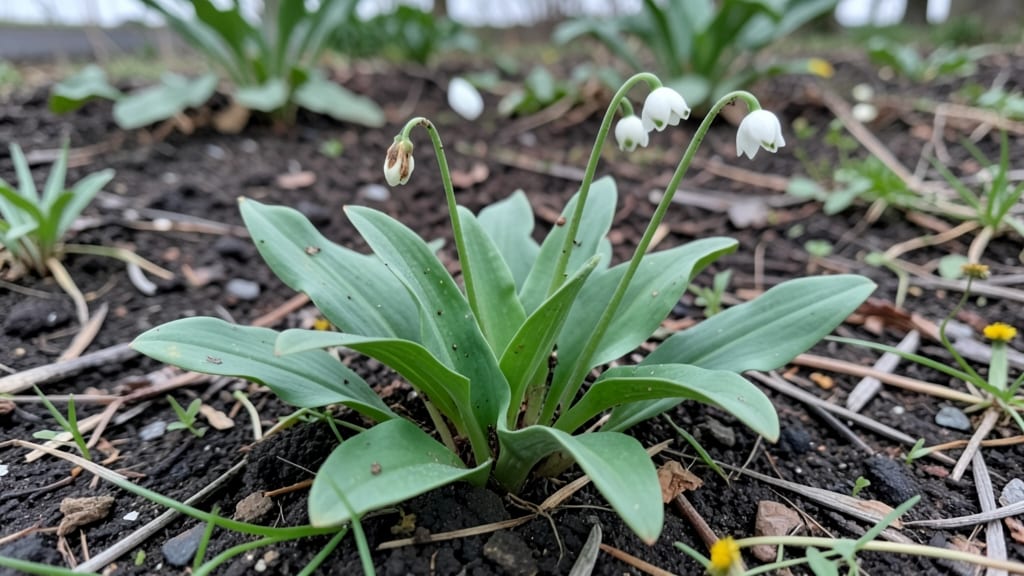
A lily of the valley perennial can live for 50+ years with consistent care, thanks to its hardy underground rhizomes that store nutrients and fuel reliable spring regrowth. The plant's glossy evergreen leaves stay vibrant through winter, while its iconic bell-shaped flowers return annually in late spring.
The secret to this plant's remarkable lifespan lies in its underground network of rhizomes, which act like natural storage units for energy. 🌱 Unlike many perennials that decline after a decade, lily of the valley actually thrives when given partial shade, moist soil, and minimal disturbance.
The flowers may fade after blooming, but the plant's root system remains dormant yet alive through winter, ready to burst back with new foliage when temperatures warm. This makes it one of the most resilient shade garden plants you can grow.
What's particularly fascinating is how this perennial maintains its vigor through seasonal changes. While other plants might struggle with cold snaps or dry spells, lily of the valley's deep root system allows it to access moisture and nutrients even in challenging conditions.
This hardiness is why many gardeners consider it a "set it and forget it" plant—once established, it requires very little maintenance beyond occasional division every few years to prevent overcrowding.
💡 In This Article
- Longevity Secrets: Why Lily of the Valley Endures Decades
- Pruning and Propagation Tips for Healthy Lily of the Valley Regrowth
Longevity secrets: why lily of the valley endures decades
Here's what's actually happening underground: lily of the valley's lifespan secret lies in its horizontal, creeping rhizomes that spread 6-12 inches below soil surface. These thickened stems store carbohydrates like starch and sugars—up to 30% of their dry weight—acting as natural batteries that fuel regrowth each spring.
Unlike bulbs that deplete over time, these rhizomes continuously produce new shoots while maintaining their energy reserves. 🌱
The plant's cold hardiness comes from its ability to survive temperatures down to -20°F through a combination of antifreeze proteins and slow metabolic activity during dormancy. Its evergreen leaves contain high levels of chlorophyll that remain active even in winter, allowing for photosynthesis on mild days.
This contrasts sharply with many shade perennials like hostas, which often go fully dormant and lose foliage in cold climates.
Pest resistance is another key factor—lily of the valley contains cardiac glycosides, compounds that make it toxic to most herbivores. Deer typically avoid it, and even slugs (a common garden pest) are deterred by its bitter taste.
The plant's dense ground cover also creates a physical barrier that discourages weed growth, reducing competition for nutrients. This natural defense system allows it to thrive with minimal intervention compared to more delicate perennials.
Seasonal adaptation is where this plant truly excels. While most shade plants enter full dormancy, lily of the valley maintains partial activity through winter. Its roots continue absorbing moisture from the soil, and the rhizomes store excess nutrients during warm spells.
This strategy gives it a head start in spring when other plants are still emerging from dormancy. The trade-off? It requires consistently moist (but not soggy) soil—drought conditions can stress the rhizomes and reduce their energy reserves.
Comparing its growth pattern to other shade perennials reveals why it's such an outlier. While hostas and astilbes typically live 10-15 years before declining, lily of the valley's rhizome system allows it to spread indefinitely—given space—and maintain vigor for 50+ years.
The key difference is its ability to continuously produce new growth points along its rhizomes rather than relying on a single bulb or crown. This makes it one of the longest-lived shade plants in garden history.
What most people don't realize is how its flowering mechanism contributes to longevity. The plant's bell-shaped flowers contain both male and female reproductive parts, but they're self-sterile—meaning they need cross-pollination from different plants to produce seeds.
This genetic diversity helps maintain the plant's health over generations. Meanwhile, the energy-intensive process of flowering actually stimulates new rhizome growth, creating a positive feedback loop that extends the plant's lifespan. 💫