
Flowers
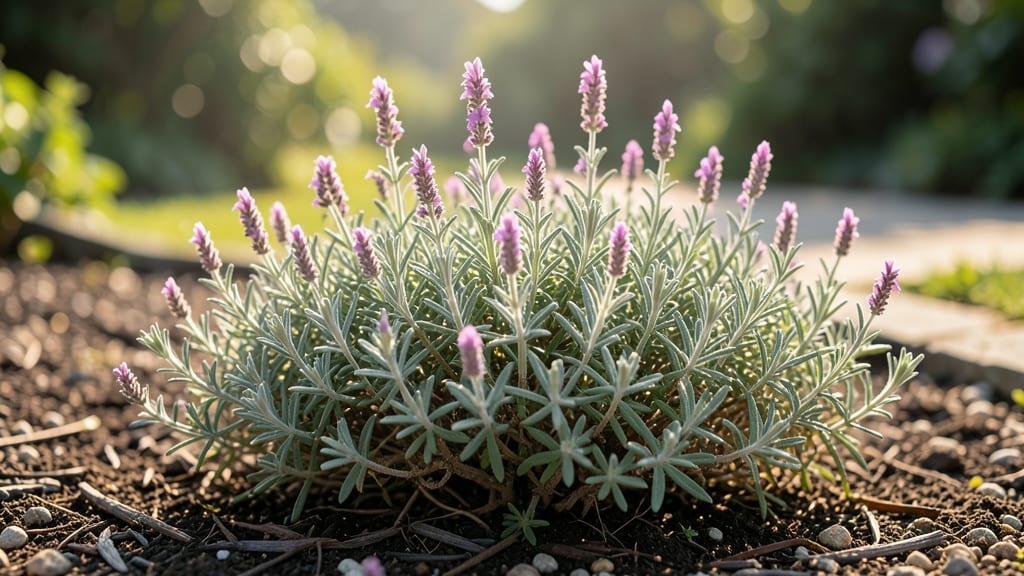
Yes, thyme is a perennial herb that survives multiple growing seasons through its hardy root system, though it may look dormant or browned in winter before spring regrowth. Strategic pruning and protective mulching help it thrive year after year.
Thyme’s perennial nature comes from its deep, woody root system that stores energy for regrowth, even after winter dieback. 🌱 Unlike annuals that complete their life cycle in one season, thyme’s roots remain active underground, allowing new shoots to emerge once temperatures rise.
This makes it ideal for gardeners seeking low-maintenance herbs that return reliably each year.
What sets thyme apart is its adaptability—common thyme handles cold snaps better than lemon thyme, which may need winter protection in colder climates. The key to maximizing its lifespan lies in proper care: trimming spent growth in early spring and applying a thick layer of mulch to insulate roots.
This simple routine ensures your thyme plants not only survive but thrive through every season.
💡 In This Article
- How Thyme’s Root System Ensures Perennial Growth
- Year-Round Thyme Care: Pruning, Mulching, and Winter Protection
How thyme’s root system ensures perennial growth
Thyme’s perennial nature stems from its unique underground structure: a deep, woody root system paired with fibrous roots that spread horizontally. These roots store carbohydrates and nutrients, acting like a natural battery that powers regrowth after winter dormancy.
Unlike annual herbs that rely on seeds, thyme’s roots remain alive year-round, even when above-ground growth appears dead. 🌿 The woody stems at the base (called caudex) further protect the plant’s core, allowing it to withstand freezing temperatures down to 10°F for common thyme varieties.
Cold tolerance varies by species—common thyme (Thymus vulgaris) handles USDA Hardiness Zones 5-9, while lemon thyme (Thymus citriodorus) thrives in Zones 7-10 and may need winter protection in colder areas.
The key difference lies in their root depth: common thyme’s roots can extend 12-18 inches deep, accessing moisture and warmth, while lemon thyme’s roots stay shallower. This explains why lemon thyme often looks more vulnerable in winter but rebounds quickly with proper care.
The "dieback" you see in winter isn’t death—it’s a survival strategy. When temperatures drop, thyme conserves energy by shedding leaves and stems, but its roots remain metabolically active. This process, called senescence, is triggered by shorter daylight and cooler soil temperatures.
The roots continue photosynthesizing at a reduced rate, storing energy until spring’s longer days signal regrowth. Think of it like a bear hibernating: thyme isn’t asleep, just conserving resources.
What makes thyme’s system so resilient is its ability to regenerate from multiple points. Even if 80% of the plant appears dead, the remaining roots can produce new shoots from dormant buds.
This is why gardeners often see thyme "pop back" from what looks like bare soil—those hidden roots are patiently waiting for the right conditions. The deeper the roots, the more resilient the plant becomes to environmental stresses like drought or frost.
For comparison, consider basil—a popular annual herb that dies when temperatures drop below 35°F. Basil’s roots lack thyme’s woody structure and carbohydrate storage, so it can’t survive winter. Thyme’s root system isn’t just deeper; it’s architecturally designed for longevity.
The fibrous roots create a dense network that stabilizes the plant and maximizes nutrient absorption, while the woody caudex acts as a shock absorber against temperature fluctuations.
Here’s a visual breakdown of thyme’s root advantages:
- Energy storage: Roots accumulate 20-30% more carbohydrates than annual herbs, fueling spring regrowth
- Temperature regulation: Deep roots access 5-10°F warmer soil than surface layers
- Regeneration capacity: Can produce new growth from any remaining root fragment (even 1-inch pieces)
The takeaway? Thyme’s perennial nature isn’t magic—it’s engineered biology that rewards patient gardeners with years of harvests. With the right care, a single thyme plant can thrive for decades, making it one of the most durable herbs in any garden. 🌱