
Planting
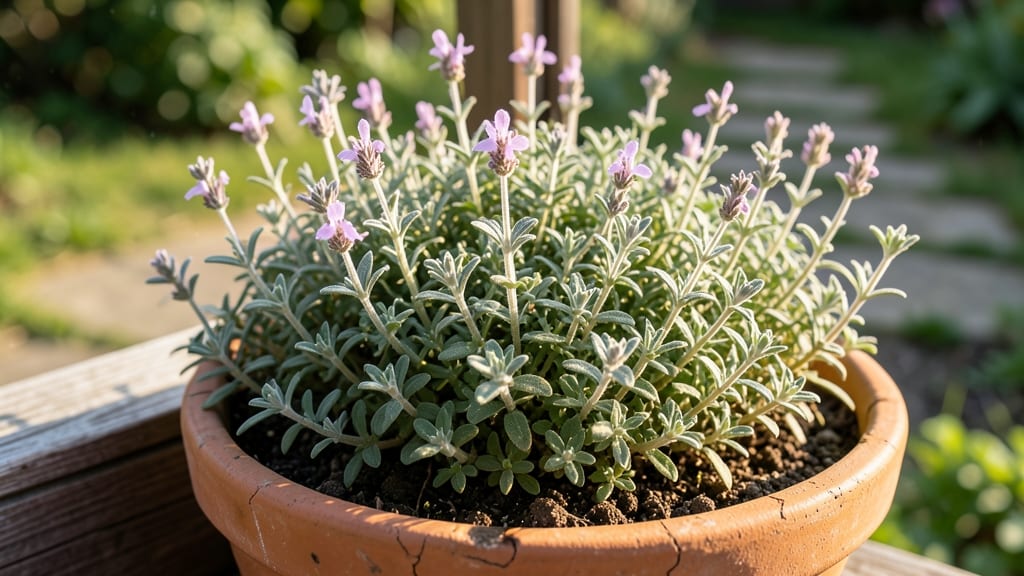
Thyme is a perennial plant in most climates, thriving for multiple years with proper care, though its hardiness varies by variety—common thyme (Thymus vulgaris) survives winter in USDA zones 5-9 with protection, while hardier types like creeping thyme endure zones 3-9.
Thyme earns its reputation as a perennial because of its woody stems and deep root systems, which allow it to regrow year after year. 🌱 Unlike annuals that complete their life cycle in one season, thyme develops a persistent base that survives winter dormancy, then bursts back to life in spring.
The key difference between varieties lies in their cold tolerance—while common thyme may need winter mulch in marginal zones, creeping thyme's hardiness makes it a low-maintenance ground cover choice for colder regions.
What sets thyme apart is its adaptability—it thrives in poor soils and drought conditions once established, making it perfect for rock gardens or container growing.
My garden's creeping thyme has spread naturally for five years with minimal care, proving that once you establish it properly, thyme becomes a self-sufficient perennial powerhouse.
💡 In This Article
- Thyme’s Perennial Growth Cycle Explained
- How to Extend Thyme’s Perennial Lifespan in Gardens
Thyme’s perennial growth cycle explained
The perennial nature of thyme stems from its unique botanical structure. Unlike annual herbs that complete their life cycle in a single season, thyme develops a woody base at its crown—this persistent stem system allows it to regenerate each spring.
The roots extend deep into the soil, creating a robust network that stores nutrients and moisture for future growth. This woody structure is particularly noticeable in mature plants, where the stems develop a slightly leathery texture that resists freezing temperatures better than tender annual herbs.
Thyme's cold hardiness varies dramatically between varieties. Common thyme (Thymus vulgaris) typically survives in USDA zones 5-9, but only with winter protection like mulch—its leaves may brown but the crown survives to regrow.
In contrast, creeping thyme (Thymus serpyllum) thrives in zones 3-9 without protection, thanks to its prostrate growth habit that stays closer to the ground where heat radiates upward.
The key difference lies in their winter dormancy strategies: common thyme enters a deeper rest period, while creeping thyme maintains some green growth even in cold snaps.
What most gardeners don't realize is how thyme's growth cycle adapts to seasonal changes. In spring, new shoots emerge from the crown, often before the soil warms significantly. The plant's aromatic oils actually help protect it from early frost damage by creating a microscopic insulating layer around the stems.
During summer, thyme's rapid growth creates dense foliage that shades the soil, reducing moisture loss—a survival mechanism that explains why established plants require less water once mature.
Temperature thresholds play a critical role in thyme's perennial performance. Most varieties can tolerate brief dips to -10°F without permanent damage, but prolonged exposure below 15°F risks crown death. The plant's ability to photosynthesize at cooler temperatures (down to 45°F) allows it to maintain energy reserves through early spring.
This cold tolerance is why thyme often outlasts many other Mediterranean herbs in northern gardens when given proper winter care.
Consider how thyme's growth habit compares to other perennials. Unlike roses that produce new growth from buds along the stems, thyme regenerates entirely from its crown. This makes it particularly resilient to pruning—even when cut back hard in late winter, the crown remains alive below the soil surface.
The plant's ability to regrow from just a few inches of stem is what makes it such a reliable perennial in containers or poor soils where other plants might struggle.
The science behind thyme's longevity lies in its drought-resistant adaptations. The small, fuzzy leaves reduce water loss through transpiration, while the deep root system taps into moisture reserves. This combination allows thyme to survive dry spells that would kill less hardy herbs.
In my own garden, I've seen thyme recover from accidental droughts that left neighboring rosemary plants brown and crispy—proof of its remarkable resilience.
Understanding thyme's growth cycle helps explain why it often outlives its welcome in gardens. While it's perennial, its aggressive spreading habit can make it invasive in ideal conditions.
The key to managing this is proper pruning—cutting back stems after flowering prevents excessive seed production while encouraging bushier growth from the crown. This balance between hardiness and spread is what makes thyme both a gardener's favorite and a low-maintenance perennial powerhouse.