
Planting
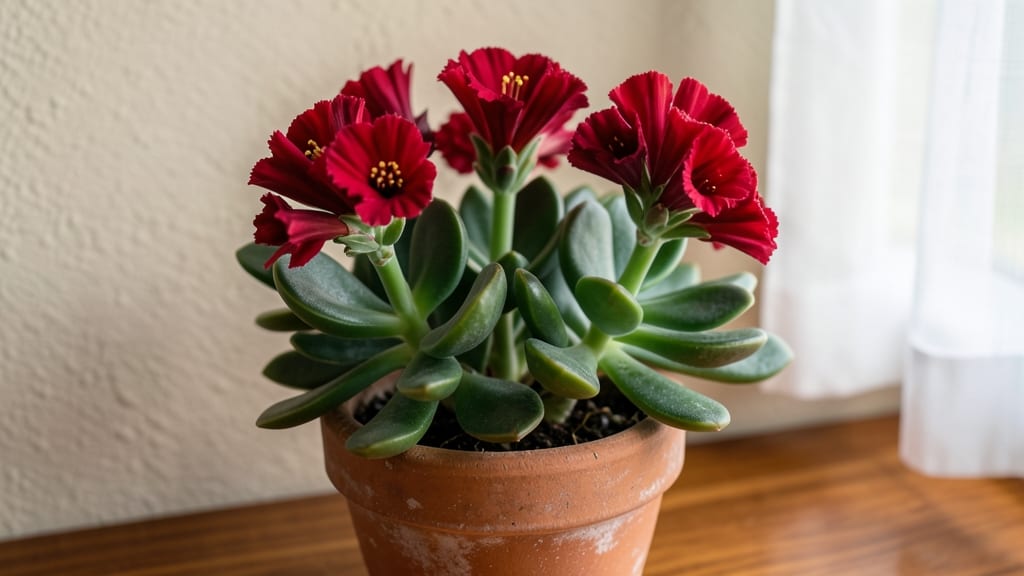
The kalanchoe plant behaves like a perennial in warm climates, thriving through multiple seasons with proper care, but its growth pattern differs from true perennials—it sheds leaves and enters dormancy rather than dying back to the soil. With the right conditions, it can regenerate from its base annually.
Kalanchoe plants aren't true perennials because they lack underground storage structures like rhizomes or tubers.
Instead, they rely on a dormancy cycle triggered by shorter daylight or stress, where they drop leaves to conserve energy. 💫 This adaptation helps them survive dry periods, but it looks like death to many gardeners.
Unlike hardy perennials that regrow from roots, kalanchoes regenerate from their stem base when conditions improve.
For example, if your kalanchoe loses most leaves in winter, don't assume it's dead—simply reduce watering and provide bright light. Once temperatures rise and days lengthen, new growth typically emerges within 4-6 weeks with minimal care.
This semi-perennial behavior makes them perfect for indoor growers who want long-term plants without annual replanting.
💡 In This Article
- Why Kalanchoe Plants Appear to Die Back
- How to Care for Kalanchoe Through Its Dieback Cycle
Why kalanchoe plants appear to die back
Kalanchoe plants exhibit a unique survival strategy called seasonal dormancy, which distinguishes them from true perennials. Unlike hardy perennials that store energy in underground rhizomes or tubers, kalanchoes rely on their thick, fleshy stems to store moisture and nutrients.
When daylight hours drop below 12 hours—typically in late fall or winter—the plant triggers a natural leaf drop to conserve energy, a process called dormancy. This adaptation mirrors how many desert succulents survive dry seasons, but the visual effect can be alarming to gardeners unfamiliar with the cycle.
The key difference lies in their growth structure: true perennials regrow from roots or underground stems, while kalanchoes regenerate from their stem base. This is why you might see a nearly bare stem during dormancy—it’s not dead, just resting.
For example, a kalanchoe in a 10-inch pot might lose 70-80% of its leaves in winter but still retain a firm, green stem. The stem’s ability to photosynthesize (though at a reduced rate) allows it to survive until conditions improve. 🌱
Light deprivation is the primary trigger for this dieback. Kalanchoes are photoperiod-sensitive, meaning they respond to changing daylight lengths. In nature, this helps them time their dormancy with dry seasons. However, indoor plants may enter dormancy prematurely if placed in low-light areas (like north-facing windows) during winter.
The solution? Move plants to a south-facing window or under grow lights with 14-16 hours of light daily to maintain active growth. This mimics their natural habitat in Madagascar, where they experience consistent sunlight year-round.
Another critical factor is temperature. Kalanchoes thrive in 65-75°F ranges but can tolerate brief drops to 50°F. When temperatures fall below 50°F for extended periods, the plant conserves energy more aggressively, accelerating leaf drop.
This is why outdoor kalanchoes in cooler climates may appear "dead" in winter—even though their stems remain viable. The good news? Once temperatures rise above 60°F and daylight increases, new growth typically emerges within 4-6 weeks with minimal intervention.
Comparing kalanchoes to other succulents highlights their semi-perennial nature. Unlike echeverias or sedums, which often die back to the ground in winter, kalanchoes retain their stem structure. This makes them ideal for container gardening, as they can be easily revived year after year.
For instance, a kalanchoe blossfeldiana (a popular flowering variety) might lose its leaves in winter but produce vibrant blooms again in spring if cared for properly. This resilience is what makes them behave like perennials despite their technical classification as succulent perennials or semi-perennials.
What most people don’t realize is that this dieback cycle is a survival mechanism, not a sign of failure. The plant is essentially "resetting" to prepare for the next growing season.
For example, if you prune off dead leaves during dormancy, you’ll often see new shoots emerge from the stem’s nodes within 2-3 weeks once light and warmth return.
This process is similar to how some trees drop leaves in autumn but regrow them in spring—just on a smaller, more controlled scale. 💫