
Flowers
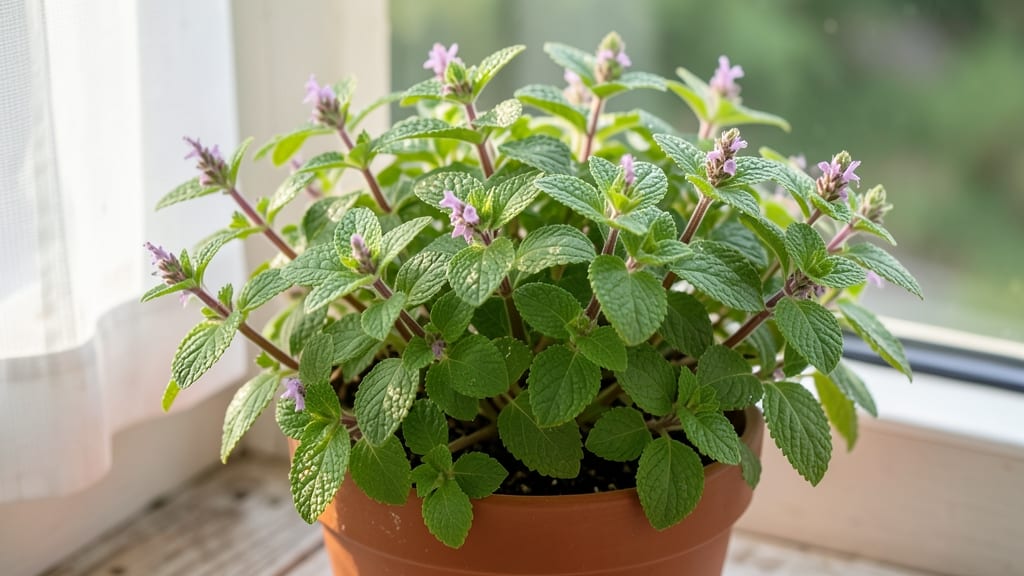
Spearmint is perennial because its underground root system survives winter dormancy, allowing it to regrow each spring even after the foliage appears dead. This hardy herb thrives across multiple seasons with proper care.
Spearmint's true perennial nature lies in its rhizomatous root system, which stores energy underground during cold months. 🌱 Unlike annuals that die completely, spearmint's roots remain alive in USDA zones 4-9, pushing new shoots when temperatures rise.
Many gardeners mistake its winter dieback for death, but this is just nature's way of conserving resources until conditions improve.
To keep your spearmint thriving long-term, focus on well-draining soil and partial sunlight (4-6 hours daily). Prune back stems in early spring to encourage bushier growth, and avoid overwatering—spearmint prefers moist but not soggy conditions.
The key is patience: what looks dead in winter often surprises with vigorous regrowth by late spring.
💡 In This Article
- How Spearmint’s Root System Survives Winter Dieback
- Tips for Maximizing Spearmint’s Longevity in Gardens
How spearmint’s root system survives winter dieback
Spearmint’s perennial survival hinges on its specialized rhizomatous root system, a network of horizontal underground stems that store nutrients and energy. Unlike annuals, which die completely after seed production, spearmint’s roots remain dormant but alive through winter, even when above-ground foliage turns brown and crispy.
These roots can extend 2-3 feet deep and spread outward, creating a robust foundation that regenerates shoots when temperatures rise. 🌱
The secret lies in spearmint’s cold hardiness—it thrives in USDA zones 4-9, meaning it can withstand temperatures down to -30°F in protected conditions. During dormancy, the plant’s metabolic activity slows dramatically, conserving energy in its roots.
This adaptation is similar to how asparagus survives winter, but spearmint’s rhizomes are more aggressive spreaders, often forming dense patches over time. The key difference from annual herbs is this underground persistence, which allows regrowth even after severe frost.
What most gardeners don’t realize is how this root system works in cycles. After winter dieback, the rhizomes begin photosynthesizing through their green tips before new leaves emerge—a process called basal regrowth.
This happens as early as late March in warmer zones, with shoots appearing within 2-4 weeks of consistent soil temperatures above 50°F. The plant’s ability to "cheat" dormancy through these underground reserves is what makes it so resilient compared to true annuals.
One fascinating mechanism is the plant’s apical dominance during regrowth. The strongest rhizome nodes (often near the center of the plant) send out the first shoots, while weaker lateral roots may take longer to activate. This ensures the plant’s survival even if some roots are damaged by frost or drought.
For example, a spearmint patch that looks completely dead in January might reveal 50% regrowth by April if the roots remained undisturbed.
Comparing spearmint to its cousin peppermint reveals another survival advantage: spearmint’s rhizomes are less prone to root rot because they prefer well-draining soil with 6.0-7.0 pH.
While peppermint can become invasive in wet conditions, spearmint’s more moderate spread makes it ideal for gardeners who want perennial fresh herbs without aggressive takeover. The trade-off is that spearmint requires slightly more attention to soil conditions to maintain its vigor.
Understanding this root behavior explains why spearmint often "comes back stronger" after winter. The plant’s energy reserves actually increase during dormancy through a process called carbohydrate accumulation, giving it a head start on spring growth.
This is why many gardeners report their spearmint becomes more productive each year—it’s not just surviving, but actively preparing for the next season’s harvest. 💫