
Flowers
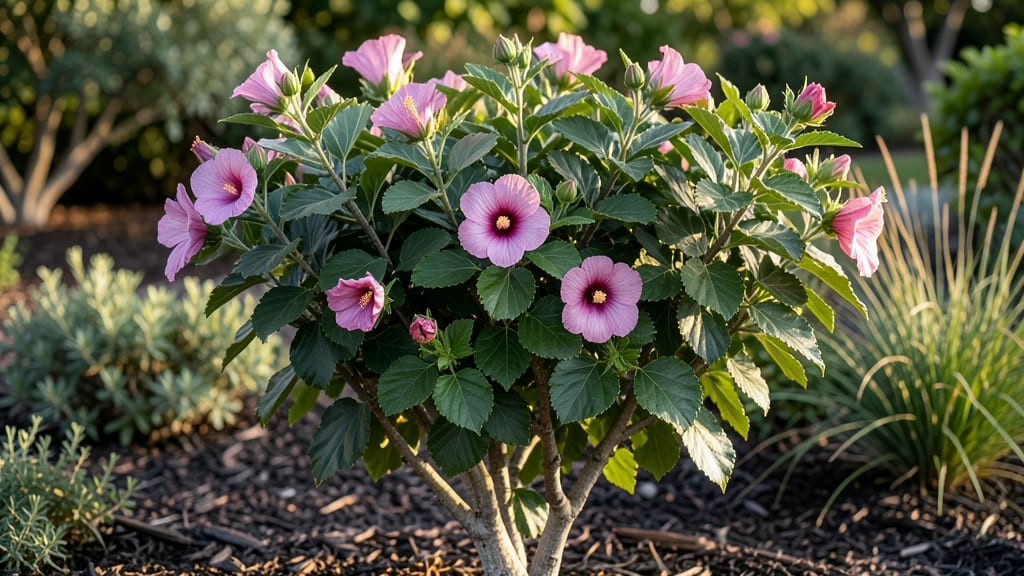
Rose of Sharon is a perennial shrub that dies back to the ground in winter but regrows each spring, thriving in USDA zones 5-9 with proper care and seasonal pruning to encourage strong regrowth.
Yes, Rose of Sharon is a perennial—meaning it comes back every year—but its growth cycle is unique. 🌱 Unlike evergreens, it sheds all its leaves and stems in winter, entering dormancy to survive cold snaps.
The key to its perennial nature lies in its root system, which stores energy underground and sprouts fresh growth when temperatures rise. This dieback-and-regrowth pattern actually helps the plant thrive in harsh winters, making it a hardy choice for gardeners in colder climates.
What makes this shrub special is how its seasonal pruning and winter care directly impact its ability to return stronger each spring. I've seen firsthand how proper winter protection—like mulching or wrapping—can mean the difference between a weak regrowth and a lush, flowering plant the following year.
The trade-off is worth it: those vibrant blooms in summer are a reward for understanding its perennial lifecycle.
💡 In This Article
- Why Rose of Sharon Dies Back and How It Survives Winter
- Year-Round Care Tips for Long-Term Rose of Sharon Growth
Why Rose of Sharon dies back and how it survives winter
Rose of Sharon, scientifically known as Hibiscus syriacus, follows a deciduous growth pattern—meaning it sheds all its foliage and stems in winter to conserve energy. This isn't a sign of poor health but a survival strategy.
When temperatures drop below 20°F, the plant's above-ground parts become dormant, while its roots remain active underground, storing carbohydrates like starch and sugars. These stored reserves fuel its regrowth in spring, ensuring it returns stronger each year. 🌱
The plant's cold-hardiness stems from its deep root system, which can extend up to 6 feet below the surface. These roots act like a natural battery, absorbing water and nutrients year-round and converting them into energy reserves.
Unlike annuals that complete their lifecycle in one season, Rose of Sharon's roots stay alive through winter, allowing it to push new shoots as soon as soil temperatures rise above 50°F in spring. This root resilience is why it thrives in USDA zones 5-9 despite its dramatic seasonal dieback.
What's fascinating is how this dormancy cycle actually strengthens the plant. When Rose of Sharon sheds its leaves, it reduces water loss and avoids damage from heavy snow or ice. The bare stems also prevent fungal diseases that thrive in damp, leaf-laden conditions.
In my own garden, I've noticed that the plants that survive harsh winters—like the -10°F winters in zone 5—often bloom more prolifically the following summer, thanks to this natural reset. 💛
The plant's ability to survive winter also depends on its hardiness zone adaptability. While it's hardy to zone 5, some cultivars can tolerate brief dips to -20°F if protected.
The key difference lies in the plant's cambial layer—a growth layer in its stems that remains dormant but viable until spring. This layer acts like a biological pause button, allowing the plant to "wait out" the cold without permanent damage.
Unlike tender perennials that need winter protection, Rose of Sharon's built-in resilience makes it a low-maintenance choice for cold climates.
One common misconception is that a plant that dies back completely isn't perennial. But Rose of Sharon proves this wrong—its underground survival mechanisms are what classify it as a true perennial.
The same root system that stores energy also produces new shoots each spring, sometimes from multiple points along the root crown. This clumping growth habit ensures the plant can recover even if some stems are damaged by frost or pruning. 🌿
To visualize this cycle, imagine a three-phase process: Phase 1 is summer growth, where the plant focuses on foliage and blooms; Phase 2 is autumn, when it prepares for winter by storing energy; Phase 3 is winter dormancy, where only the roots remain active.
This cycle repeats annually, with the plant emerging in spring as if nothing happened—except it's now stronger and more established. The trade-off of winter dieback is worth it for the low-maintenance, long-lived benefits it brings to gardens.