
Planting
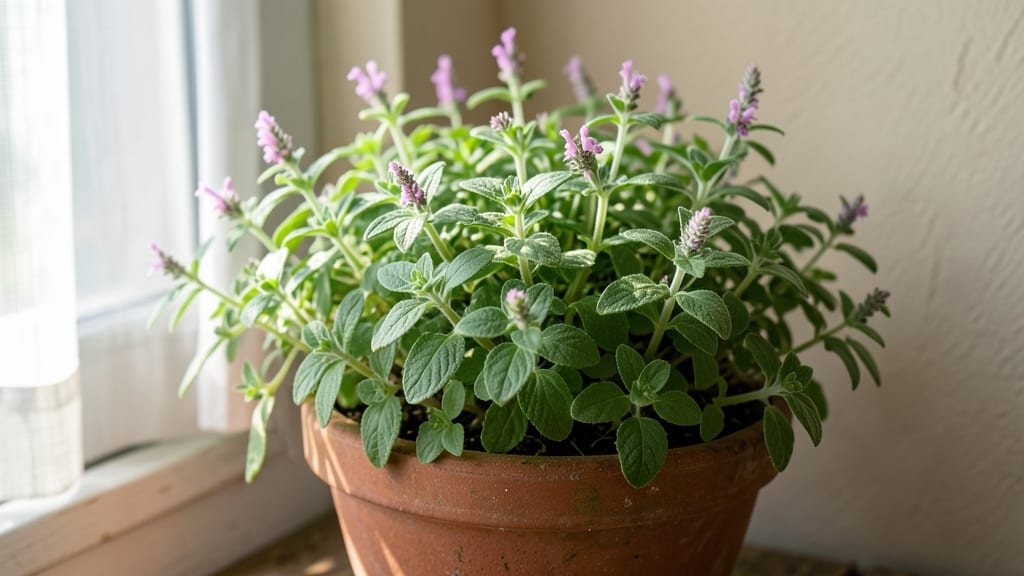
Yes, oregano is a perennial plant that thrives in USDA hardiness zones 5-10, returning each year with proper care, though it may die back in cold winters before regrowing in spring. Its woody stems and aromatic leaves persist beyond a single growing season under ideal conditions.
Oregano earns its perennial reputation thanks to its deep root system and resilient woody stems, which store energy to fuel regrowth each spring. 🌱 In colder zones (5-7), the plant often appears dormant in winter but revives with warmer temperatures, while warmer zones (8-10) allow continuous growth year-round.
The key difference between varieties like Greek and Mexican oregano lies in their cold tolerance—Greek oregano typically handles colder winters better, making it the preferred choice for northern gardens.
For gardeners in transitional climates, mulching with straw or leaves in late fall provides crucial insulation, while container-grown oregano can be moved indoors during freezes. Pruning in early spring stimulates new growth, and harvesting leaves regularly encourages bushier plants.
The secret to long-term success? Consistent moisture without waterlogging and full sun exposure—these factors directly impact how well oregano stores energy in its roots for next season's comeback.
💡 In This Article
- How Oregano Survives as a Perennial in Different Climates
- Tips for Year-Round Oregano Growth in Gardens
How oregano survives as a perennial in different climates
The secret to oregano's perennial nature lies in its specialized root system and woody stems. Unlike annuals that complete their life cycle in one season, oregano develops a deep taproot that stores carbohydrates and nutrients during dormancy.
These roots can extend 12-18 inches deep, allowing the plant to access moisture and energy reserves even when above-ground growth dies back in winter. The woody stems, which become more pronounced with age, act as energy reservoirs similar to how trees store resources in their bark.
Cold hardiness varies dramatically between varieties. Greek oregano (Origanum vulgare) typically handles USDA zones 5-9, surviving winters with ground temperatures down to -20°F when properly mulched.
Mexican oregano (Lippia graveolens), however, thrives in zones 8-11 and struggles below 20°F, making it better suited for warmer climates. The difference comes down to their native habitats—Greek oregano evolved in Mediterranean climates with cold winters, while Mexican oregano adapted to tropical conditions. 🌡️
Mulching plays a critical role in winter survival, especially in marginal zones. A 4-6 inch layer of straw or wood chips insulates roots from freeze-thaw cycles that can damage plant tissues.
In zones 5-6, I've seen oregano plants completely lose their foliage in winter only to push out new growth from the base by early May. The key mechanism here is how mulch moderates soil temperature fluctuations, preventing the kind of rapid freezing that would rupture root cells.
Container-grown oregano offers even more control—simply move pots to a sheltered location or garage when temperatures dip below 25°F.
Regrowth patterns follow predictable seasonal cycles. In spring, oregano typically sends up new shoots from the crown when soil temperatures reach 50°F consistently. The timing varies by 2-4 weeks depending on location—plants in zone 7 may begin regrowth in early April, while those in zone 5 might wait until May.
What's fascinating is how the plant prioritizes energy allocation: it first rebuilds its root system before producing new leaves, which explains why early spring growth appears sparse but vigorous once established.
Light exposure during winter also matters more than most gardeners realize. Oregano needs at least 6 hours of sunlight daily during growing seasons, but even in dormancy, partial shade helps prevent desiccation.
In my zone 6 garden, I've noticed that plants receiving morning sun and afternoon shade fare better through winter than those in full winter sun exposure. This balance prevents both freezing damage and excessive moisture loss through transpiration.
One common misconception is that all oregano varieties behave identically in winter. While they share the perennial classification, their cold tolerance ranges can differ by 10°F or more.
For example, the 'Hot Lips' variety of Mexican oregano often survives zone 7 winters with minimal protection, whereas 'Greek Mountain' oregano thrives in zone 5 without issues. Always check variety-specific hardiness ratings when selecting plants for your climate zone. 🌿