
Flowers
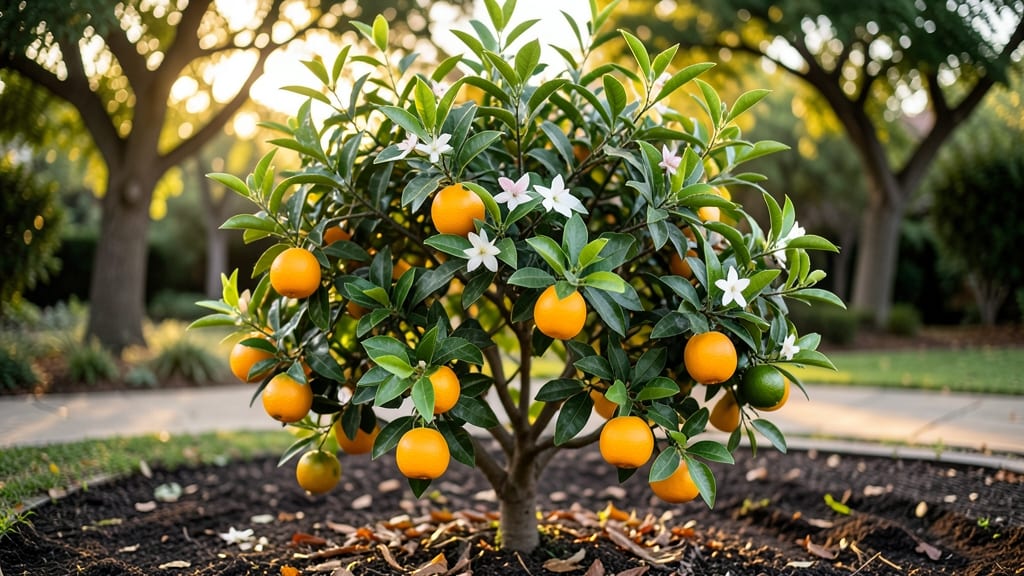
Orange Star isn't a true perennial but functions as a short-lived perennial, returning each spring from its robust root system after winter dieback. This seasonal pattern gives it perennial-like behavior in most growing regions.
This plant's survival strategy relies on its thick rhizome system, which stores energy underground during cold months. 🌱 Unlike true perennials that maintain foliage year-round, Orange Star completely dies back above ground but regenerates vigorously when temperatures rise.
Gardeners often mistake this cycle for true perennial behavior, especially in mild climates where winter dormancy is minimal. The key difference lies in its lifespan—while it may thrive for several years, it's not guaranteed to return indefinitely like classic perennials such as hostas or daylilies.
What sets Orange Star apart is its ability to rebloom annually from the same root system, creating the illusion of perennial growth. This makes it an excellent choice for seasonal color, though its long-term reliability depends heavily on proper winter care and soil conditions.
Many gardeners extend its lifespan by providing mulch protection and avoiding overwatering during dormancy.
💡 In This Article
- Understanding Orange Star’s Dieback Cycle and Root System
- Caring for Orange Star to Extend Its Lifespan Like a Perennial
Understanding Orange Star’s dieback cycle and root system
Orange Star survives winter through a specialized underground structure called a rhizome, which acts like a biological battery. This thick, horizontal root stores carbohydrates and nutrients during dormancy, allowing the plant to regenerate above ground each spring.
Unlike true perennials that maintain some foliage year-round, Orange Star undergoes complete winter dieback—its stems and leaves brown and collapse, while the rhizome remains dormant beneath 2-4 inches of soil.
The rhizome's ability to regenerate stems and foliage in spring is what creates the perennial-like appearance. Botanically, this makes Orange Star a geophyte—a plant that uses underground storage organs to survive harsh conditions.
The regrowth process begins when soil temperatures reach 55-60°F, triggering the rhizome to send up new shoots. This typically occurs 4-6 weeks after the last hard frost in most growing zones.
What distinguishes Orange Star from true perennials is its lifespan reliability. While it may return for 3-5 years with proper care, its rhizome system isn't as robust as plants like hostas or peonies, which can live for decades.
The plant's energy reserves deplete over time, especially if subjected to poor soil conditions or inadequate winter protection. This is why gardeners often refer to it as a "semi-perennial"—it behaves like a perennial but lacks the same longevity guarantees.
The regrowth process begins with the rhizome's apical buds breaking dormancy, which you'll notice as small green shoots pushing through the soil. Within 2-3 weeks, these shoots develop into the familiar star-shaped foliage.
The plant's ability to rebloom annually from the same root system is what makes it such a popular choice for seasonal color, despite its technical classification as a short-lived perennial.
One fascinating aspect of Orange Star's biology is its response to temperature fluctuations. Research shows that rhizomes exposed to consistent winter temperatures between 32-40°F maintain higher survival rates than those subjected to freeze-thaw cycles.
This explains why Orange Star often struggles in regions with extreme temperature swings, particularly in northern climates where winter protection becomes critical for its survival.
Visually, you can identify a healthy Orange Star rhizome by its fleshy, white-to-tan color and segmented structure. Each segment contains growth nodes that can produce new shoots.
When properly cared for, these rhizomes can expand 1-2 inches per year, creating a denser root network that supports more vigorous regrowth each spring.