
Flowers
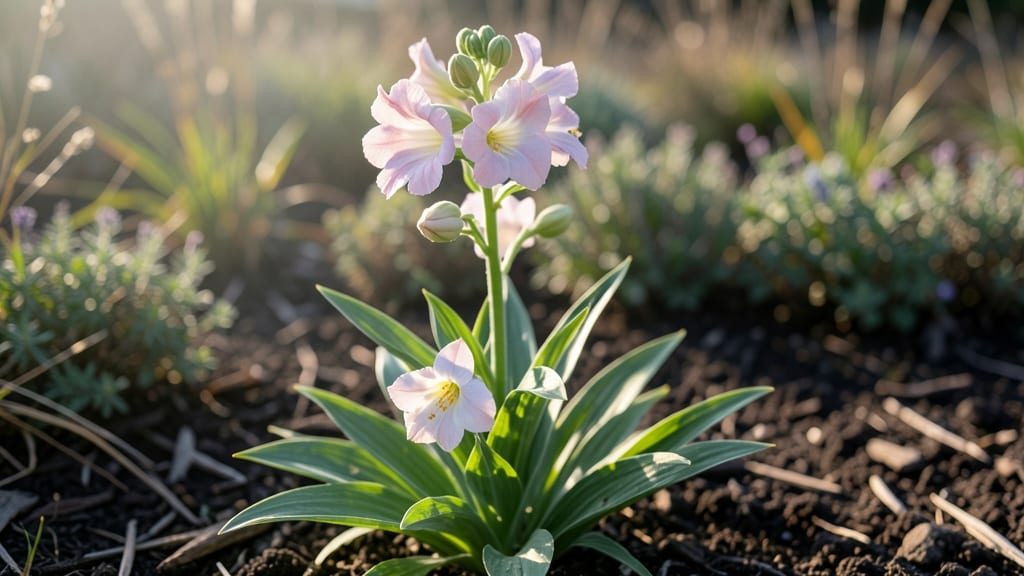
Lisianthus isn't a true perennial in most climates but acts like a tender perennial, going dormant in winter by dying back to the ground. Its roots survive underground, ready to regrow when spring warmth returns. In colder regions, you'll likely need to protect it through winter or replant each year.
This behavior makes lisianthus unique among perennials—it thrives as a seasonal plant rather than a year-round one. 🌱 The key difference lies in its cold tolerance: while true perennials like daylilies endure harsh winters, lisianthus roots can only handle mild freezes.
I've found that gardeners in zones 8-10 often get reliable regrowth, but those in colder areas must treat it like an annual or use row covers during winter. The plant's ability to regenerate from roots explains why it's prized for its long bloom season when given proper care.
What sets lisianthus apart is its root system's resilience. Unlike true perennials that maintain foliage year-round, lisianthus conserves energy by going completely dormant. This adaptation allows it to focus all its resources on producing stunning blooms during its active season.
For gardeners, understanding this cycle means planning ahead—whether that's choosing winter-hardy varieties or creating movable containers for easier protection.
💡 In This Article
- Lisianthus Growth Cycle: Why It Dies Back
- Extending Lisianthus Lifespan in Gardens
Lisianthus growth cycle: why it dies back
Lisianthus enters dormancy through a process called cold-induced senescence, where its above-ground growth shrivels as temperatures drop below 40°F. Unlike hardy perennials, its roots don't generate new shoots until soil temperatures reach 55-60°F—a key reason it's classified as tender.
The plant's survival strategy relies on storing carbohydrates in its fibrous roots during summer, which fuels regrowth when conditions improve. This is why you'll often see lisianthus completely disappear in winter only to re-emerge in spring. 🌱
The root system's depth plays a crucial role—lisianthus roots typically extend 12-18 inches below soil, allowing them to access moisture and nutrients in deeper layers. This depth helps insulate against shallow freezes that would kill true annuals.
However, prolonged exposure to 20°F or below can damage even these resilient roots, which is why zone 7+ gardeners see more reliable regrowth than those in colder climates. The plant's natural habitat in warm regions explains this temperature sensitivity.
What makes lisianthus different from true perennials like daylilies is its complete dieback—no winter foliage remains, unlike daylilies that maintain evergreen basal plates. This full dormancy conserves energy but requires gardeners to provide protection.
The trade-off is lisianthus's ability to produce 6-8 weeks of continuous blooms during its active season, a trait hardy perennials can't match without summer dormancy periods. This makes it behave more like a seasonal perennial than a traditional one.
Botanists classify lisianthus as a geophyte—plants that survive adverse conditions through underground storage organs. Its root system can persist for 3-5 years if conditions are ideal, though most gardeners replant annually due to winter challenges.
The plant's natural regeneration process begins when root tips detect rising soil temperatures, triggering hormone signals that restart growth. This biological mechanism explains why spring regrowth often appears so suddenly after winter dormancy.
For comparison, daylilies maintain above-ground growth year-round thanks to their rhizomatous root system, while lisianthus relies entirely on root reserves. This fundamental difference means lisianthus requires more careful winter management to achieve perennial-like behavior.
The plant's sensitivity to cold makes it behave more like a tender perennial—a category that includes other warm-season favorites like cannas and dahlias. 🌿
Understanding this growth cycle helps explain why lisianthus thrives in USDA zones 8-10 but struggles in colder regions. The plant's inability to tolerate prolonged freezing distinguishes it from true perennials that can endure -10°F to -20°F temperatures.
This biological limitation is what forces gardeners in northern climates to treat lisianthus more like an annual, despite its perennial classification in botanical terms.