
Flowers
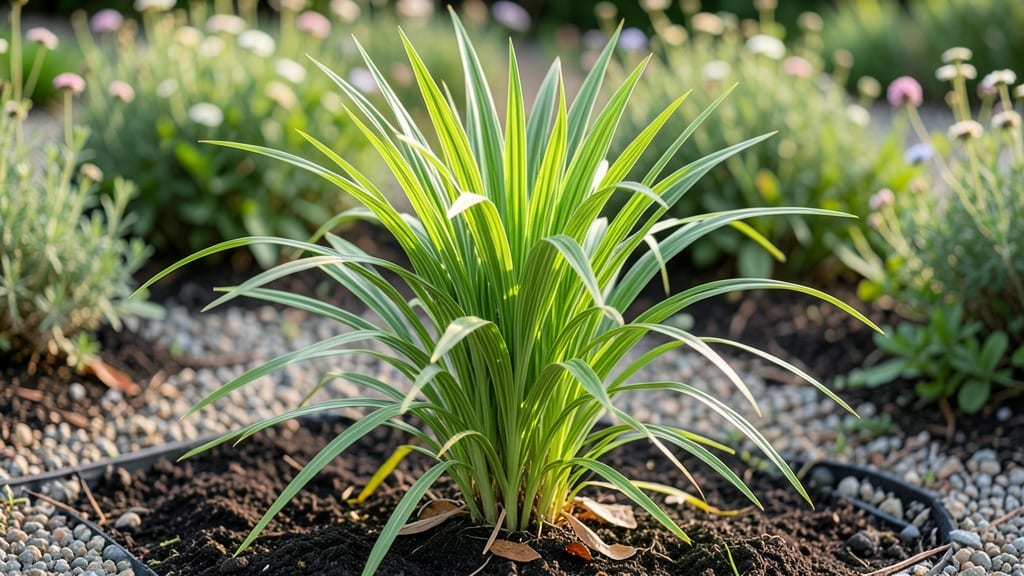
Lemongrass is a perennial in tropical climates (USDA Zones 9–11), where it thrives continuously, but in colder regions it dies back to the ground during frost, only to regrow from its hardy underground rhizomes when temperatures rise. Its longevity hinges on how well it adapts to seasonal temperature shifts.
This tropical plant behaves like a true perennial in warm climates, sending up fresh shoots year-round from its extensive root system. 🌱 The real story unfolds in colder zones, where frost triggers dormancy—lemongrass may appear dead above ground but survives underground until spring warmth reactivates growth.
What sets it apart is its rhizome network, which stores energy and nutrients, allowing regrowth even after harsh winters. For gardeners in marginal zones, understanding these patterns helps determine whether to grow lemongrass as an annual or invest in protective measures to preserve it long-term.
In regions where winters dip below 20°F, lemongrass typically won't survive outdoors without intervention. That's why many growers treat it as a tender perennial—digging up and overwintering the rhizomes indoors or using heavy mulch to insulate the soil.
The key to extending its lifespan lies in protecting those vital underground stems, which can remain viable for years if kept from freezing.
💡 In This Article
- Lemongrass Growth Habits in Different Climate Zones
- Extending Lemongrass Lifespan in Cold Regions
Lemongrass growth habits in different climate zones
The rhizome system is what truly defines lemongrass as a perennial in warm climates. These underground stems store carbohydrates and nutrients, allowing the plant to send up fresh shoots continuously in USDA Zones 9–11 where temperatures rarely drop below 30°F.
The rhizomes act like a biological battery, maintaining metabolic activity even during dry periods, which is why you'll see lemongrass thriving year-round in tropical regions with minimal care. 🌿
In colder zones (Zones 8 and below), the story changes dramatically. When temperatures fall below 28°F, the above-ground stalks blacken and appear dead, but the rhizomes remain dormant underground.
This dieback isn't permanent—when spring warmth returns (typically above 55°F for consistent growth), the rhizomes detect the shift and begin sending up new shoots within 2-4 weeks. The survival mechanism mirrors that of ginger or turmeric, both of which share this rhizomatous growth pattern.
What makes this adaptation fascinating is the plant's ability to sense temperature changes through its underground network. The rhizomes contain specialized cells that monitor soil temperature and moisture levels, triggering regrowth when conditions become favorable.
This is why you'll often see lemongrass "reappear" in spring even after seemingly complete winter kill—it's not dead, just in survival mode. 💡
The temperature thresholds for dormancy are precise: consistent freezing (20°F or lower) will kill the rhizomes, while brief cold snaps (25-28°F) may only cause temporary dieback.
In Zone 8, where winters hover around 15-25°F, lemongrass can often survive with proper mulching (adding 4-6 inches of straw or leaves), while Zone 7 and colder require more aggressive protection or container cultivation.
Visually, this growth pattern creates a striking contrast between zones. In Florida or Hawaii, lemongrass grows 3-5 feet tall continuously, while in California's coastal Zone 9, it may go dormant in winter but recover fully.
The key difference lies in how quickly the rhizomes respond to seasonal cues—warm zones have constant triggers for growth, while cold zones experience more pronounced dormancy cycles. 🌍
For gardeners, this means lemongrass behaves like a true perennial in warm climates but acts more like a "semi-perennial" in marginal zones—capable of regrowing but requiring protection to survive multiple seasons.
The rhizomes' ability to store energy for 2-3 years makes them valuable for propagation, allowing you to divide and replant sections to establish new plants.