
Lawn
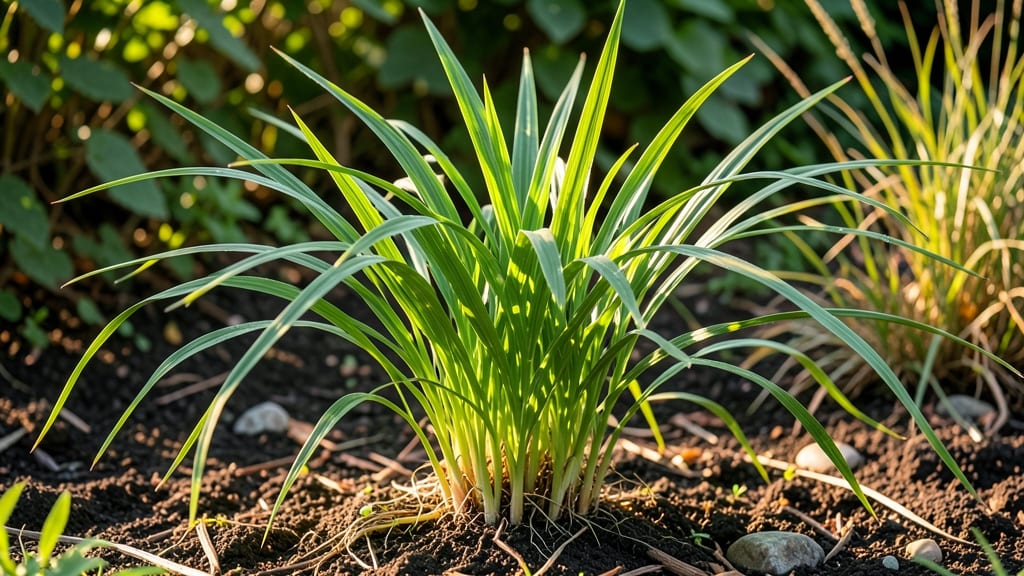
Lemon grass is a perennial in warm climates, thriving year-round through its hardy underground rhizomes that regrow even after frost or cutting. In colder regions, it dies back but returns from the roots when temperatures rise.
Lemon grass earns its perennial status thanks to its robust rhizome system, a modified stem that stores nutrients and produces new shoots. 🌱 Unlike annual plants that complete their life cycle in one season, lemon grass survives by drawing energy from these underground reserves, allowing it to regenerate after frost or even light pruning.
This adaptability makes it ideal for tropical and subtropical gardens, where it can flourish continuously with minimal care.
In cooler climates, gardeners often treat lemon grass as a seasonal plant, but with proper protection—like mulching or container growing—it can bounce back each spring. The key lies in preserving those rhizomes, which act like a biological battery for regrowth.
Whether you're cultivating it for culinary uses or ornamental purposes, understanding this growth pattern helps maximize its lifespan and productivity.
💡 In This Article
- How Lemon Grass Rhizomes Enable Perennial Growth
- Growing Lemon Grass as a Perennial in Different Climates
How lemon grass rhizomes enable perennial growth
Lemon grass (Cymbopogon citratus) thrives as a perennial because its rhizome system acts like a biological storage unit. These thick, horizontal underground stems store carbohydrates, starches, and nutrients—similar to how potatoes store energy in their tubers.
The rhizomes grow aggressively, spreading outward from the central plant and forming new shoots at nodes along their length. This network allows the plant to regenerate even if the above-ground foliage is completely cut back or damaged by frost.
The rhizomes' resilience comes from their ability to enter dormancy during harsh conditions. When temperatures drop below 50°F, the plant slows metabolic activity, preserving energy until warmer weather returns. Studies show that lemon grass rhizomes can survive brief exposure to 28-32°F without permanent damage, though prolonged freezing kills them.
The key is moisture retention—the rhizomes absorb and store water, allowing the plant to endure dry spells or cold snaps while remaining dormant.
What makes lemon grass uniquely adaptable is its regrowth mechanism. When spring arrives, the rhizomes detect rising temperatures and begin producing new shoots. Each node along the rhizome can sprout independently, creating dense clusters of fresh growth.
This is why even a small piece of rhizome—just 2-3 inches long—can regenerate into a full plant. The process relies on auxin hormones, which trigger cell division at the shoot tips, ensuring rapid recovery.
In tropical climates like Southeast Asia (where lemon grass originated), the rhizomes allow continuous growth year-round. The plant maintains a steady supply of nutrients, supporting its signature citral and citronella compounds, which give it that distinctive lemony aroma.
Even after heavy harvesting, the rhizomes ensure the plant keeps producing new leaves. This perpetual cycle is why chefs and gardeners in warm regions can harvest lemon grass repeatedly without exhausting the plant.
For those in colder zones, understanding this mechanism explains why lemon grass often returns after winter. The rhizomes remain viable underground, waiting for the right conditions to resprout.
This is why gardeners can simply cut back the dead foliage in spring—those hidden rhizomes are already preparing to send up fresh shoots. The plant's ability to "reset" itself through its rhizomes is what truly defines its perennial nature.
One fascinating detail is how lemon grass rhizomes compete with weeds by outgrowing them. Their aggressive spread suppresses other plants, creating a natural barrier that protects the main plant from competition.
This is why many gardeners plant lemon grass as a living mulch—its rhizomes not only ensure its own survival but also improve soil structure by breaking up compacted earth.