
Companion Plants
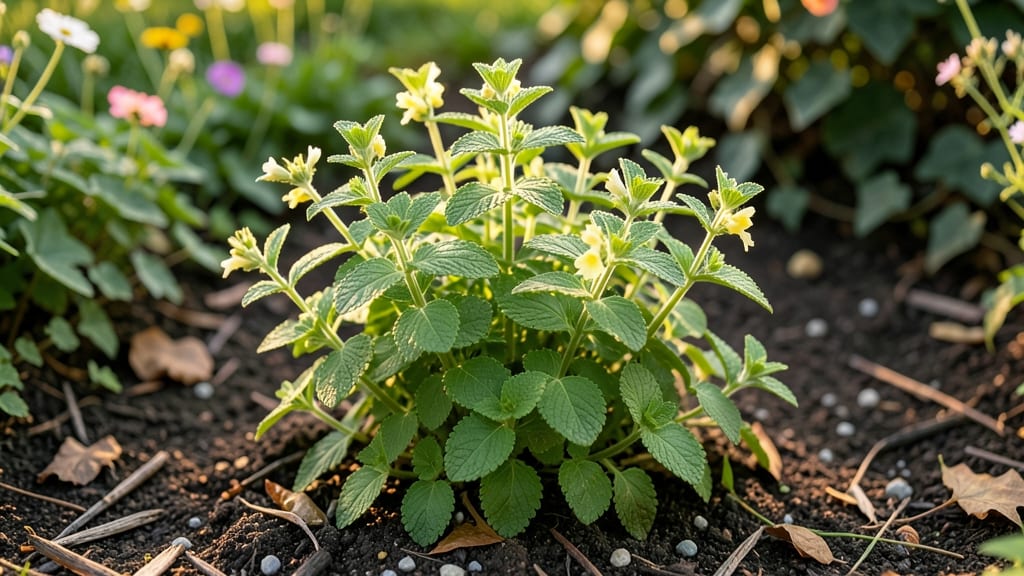
Yes, lemon balm is a perennial herb that dies back to the ground each winter but regrows vigorously from its root system in spring, capable of thriving for multiple years with proper care in USDA zones 3-9.
What makes lemon balm uniquely hardy is its ability to survive winter dormancy while maintaining a robust root system. 🌱 Unlike annuals that complete their life cycle in one season, lemon balm's roots store energy to fuel rapid regrowth once temperatures rise.
This herbaceous perennial thrives in cooler climates, though in warmer zones like 9-10, it may become more invasive. The key to its longevity lies in consistent moisture and well-draining soil—both critical for preventing winter dieback.
Many gardeners mistakenly assume dead-looking stems mean the plant is gone, but these stems simply protect the living roots beneath. I've seen lemon balm bounce back within weeks of spring's first warm days, often producing even more vigorous growth than previous years.
This resilience makes it an excellent low-maintenance choice for pollinator gardens.
💡 In This Article
- Lemon Balm’s Perennial Growth Cycle Explained
- How to Care for Lemon Balm as a Perennial Plant
Lemon balm’s perennial growth cycle explained
Lemon balm (Melissa officinalis) follows a classic herbaceous perennial growth pattern where its above-ground stems die back annually, but its root system remains alive underground. This dieback occurs in response to cold temperatures and shorter daylight hours, triggering a natural dormancy phase.
The roots store carbohydrates like starches and sugars—similar to how potatoes store energy—which fuel regrowth when conditions improve. In my garden, I’ve observed that even after a harsh winter, the roots can regenerate new shoots within 2-4 weeks of spring’s first warm spell.
The herb’s cold hardiness stems from its deep root system, which can extend 12-18 inches deep into the soil. This root structure allows lemon balm to survive temperatures as low as -25°F (USDA zone 3), though growth slows significantly in colder climates.
The leaves themselves contain volatile oils like citronellal, which may contribute to its frost tolerance by acting as a natural antifreeze agent. Unlike woody perennials, lemon balm lacks persistent stems above ground, making its perennial nature less obvious until spring regrowth.
What’s fascinating is how lemon balm’s growth cycle mirrors that of other mint-family members. Its stems grow from the base rather than elongating upward, creating a dense, bushy appearance.
This basal growth habit helps the plant recover quickly after dieback, often producing 2-3 times more foliage in its second year than its first.
The key difference between lemon balm and annual herbs is this root system’s ability to regenerate—something you won’t find in plants like basil or cilantro, which must be replanted yearly.
Climate plays a crucial role in how lemon balm behaves as a perennial. In colder zones (3-6), it may require 3-5 years of dormancy before reaching peak vigor, while in milder zones (7-9), it can grow aggressively year-round.
The plant’s ability to spread via underground runners also affects its lifespan—uncontrolled growth can lead to crowding, which may reduce individual plant longevity. This is why many gardeners contain lemon balm in pots or with root barriers.
Scientifically, lemon balm’s perennial status is classified under "geophytes"—plants that survive adverse conditions through underground storage organs. Its roots contain specialized cells that store water and nutrients, allowing it to withstand drought or frost.
When spring arrives, these roots rapidly convert stored energy into new shoots, often producing the familiar lemon-scented leaves within 10-14 days of soil thawing. This biological process explains why lemon balm can appear "dead" in winter but bounce back so reliably.
For gardeners in warmer climates (zones 9-10), lemon balm may behave more like a semi-perennial, with less pronounced dieback but still benefiting from annual pruning. The plant’s ability to regenerate makes it uniquely adaptable—whether you’re growing it in a cool mountain garden or a humid subtropical climate.
This resilience is what makes lemon balm such a prized perennial for both medicinal and culinary uses.