
Flowers
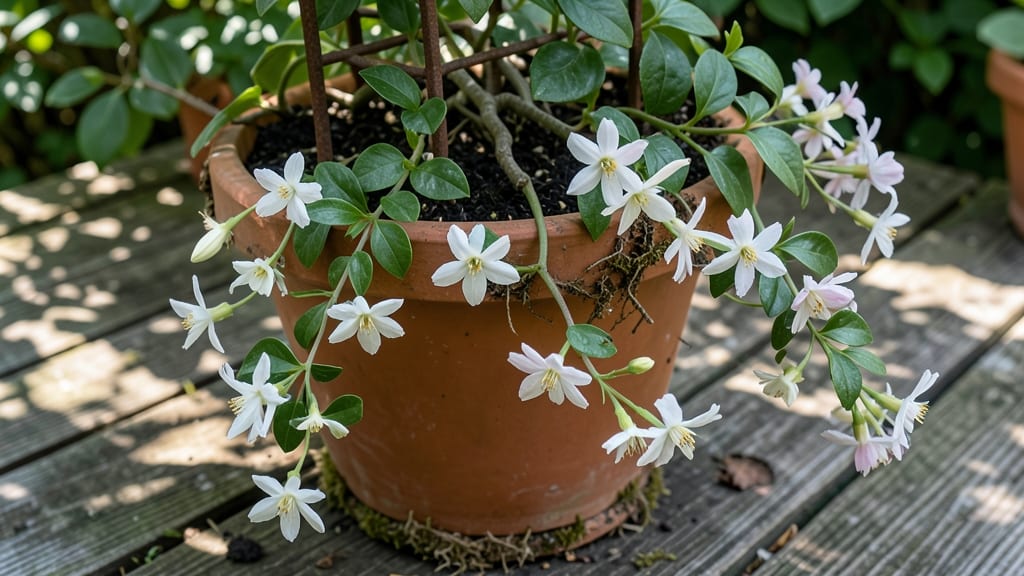
Yes, jasmine is a perennial plant in most climates, thanks to its hardy underground rhizomes that store nutrients and survive winter dormancy. However, some delicate varieties may require protection or thrive only in zones 8-11.
Jasmine's perennial nature comes from its robust root system, which acts like a natural storage unit for energy during cold months. 🌱 Unlike annuals that die back completely, jasmine plants simply enter a dormant phase when temperatures drop, then regrow from their roots once spring arrives.
This makes them ideal for gardeners seeking long-term fragrance without annual replanting. The key difference lies in species—hardy types like Jasminum officinale (common jasmine) can handle colder zones, while tropical varieties need extra care.
For those in colder regions, mulching with straw or using frost blankets can extend the growing season. Pruning after the first frost helps redirect energy to root survival, while springtime trimming encourages bushier growth.
The rhizome system also allows for easy propagation—simply divide established plants in early spring for free new specimens.
💡 In This Article
- How Jasmine’s Rhizomes and Cold Hardiness Work
- Growing Perennial Jasmine in Cold Climates: Zones and Care Tips
How jasmine’s rhizomes and cold hardiness work
Jasmine’s perennial nature stems from its specialized underground rhizome system, which functions like a biological battery. These horizontal, creeping roots store carbohydrates and nutrients during dormancy, allowing the plant to survive harsh winters.
The rhizomes can endure temperatures as low as -15°F to -20°F in hardy varieties, thanks to antifreeze proteins that prevent ice crystal formation in plant cells. This is why Jasminum officinale (common jasmine) thrives in zones 6-9, while tropical Jasminum sambac (Arabian jasmine) struggles below 30°F.
The dormancy cycle begins when daytime temperatures drop below 50°F for several weeks. The plant sheds leaves and conserves energy by slowing metabolic processes, similar to how deciduous trees prepare for winter.
The rhizomes remain active just enough to maintain root health, with growth resuming when soil temperatures reach 55°F in spring. This delayed regrowth explains why some gardeners see new shoots emerging weeks after frost has passed.
What sets jasmine apart from other perennials is its ability to regenerate from multiple nodes along the rhizome. If the top growth dies back in freezing weather, the plant can sprout new stems from any surviving root section.
This redundancy ensures survival even if 80-90% of the aboveground plant is damaged. The trade-off? Slower initial spring growth compared to annuals, but with far greater long-term resilience.
Species differences create dramatic variations in cold tolerance. For example, Jasminum nudiflorum (winter jasmine) blooms in late winter when most plants are dormant, proving its hardiness in zones 5-9. Meanwhile, Jasminum polyanthum (star jasmine) requires zone 7 protection.
The key factor is the plant’s ability to harden off—gradually acclimating to cooler temperatures through a process called vernalization, where exposure to cold triggers hormonal changes that enhance frost resistance.
Here’s how the rhizome system compares to other perennials:
- Depth: Jasmine rhizomes grow 12-18 inches deep, deeper than most herbs but shallower than asparagus crowns
- Storage capacity: Can store enough energy for 3-5 years of regrowth without replanting
- Regrowth speed: New shoots appear 2-4 weeks after soil warms, faster than roses but slower than daylilies
This biological strategy makes jasmine a gardener’s dream—once established, it requires minimal intervention to return year after year. The trade-off? Patience during the first winter as the rhizome builds its energy reserves. 🌿