
Planting
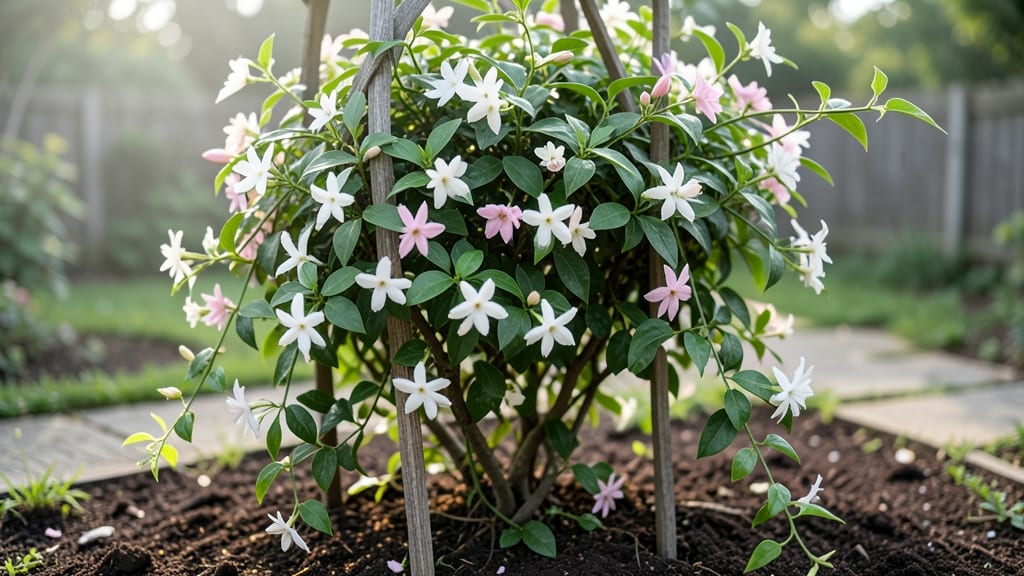
Jasmine is a perennial plant in warm climates, thriving year-round in USDA zones 8-11, though some varieties die back in colder winters and regrow from roots. Proper winter care extends its lifespan beyond a single season in cooler regions.
Jasmine's perennial nature depends entirely on your climate.
In frost-free zones like Florida or Southern California, these fragrant climbers grow continuously, producing flowers multiple times a year. 🌿 However, in colder regions (USDA zones 5-7), most jasmine varieties become dormant in winter, with only their roots surviving underground to sprout fresh growth in spring.
This semi-perennial behavior explains why some gardeners treat jasmine like an annual—it's not the plant's fault, but rather the climate's limitations.
What sets true perennials apart is their ability to complete their entire life cycle—from root to flower—without replanting. Jasmine achieves this in mild winters, but in colder areas, gardeners must act like partners to the plant's survival.
The key difference lies in the root system's hardiness: while above-ground growth may freeze back, the roots often remain viable, ready to burst forth with new shoots when temperatures rise.
💡 In This Article
- Jasmine Plant Life Cycle in Different Climates
- Extending Jasmine’s Lifespan in Cold Regions
Jasmine plant life cycle in different climates
Jasmine's growth pattern shifts dramatically based on temperature. In frost-free zones like USDA 8-11, jasmine behaves as a true perennial, growing continuously with new foliage and flowers appearing year-round.
The plant's cambium layer (growth tissue) remains active, allowing stems to elongate and produce blooms in all seasons. 🌸 This perpetual growth explains why tropical jasmine varieties like Jasminum sambac can flower multiple times annually in Southern climates.
The magic happens in the roots. Even when above-ground growth dies back in winter, the root system stores carbohydrates that fuel regrowth in spring. In colder zones (USDA 5-7), this root hardiness becomes the plant's survival mechanism.
The roots can withstand temperatures down to -15°F for brief periods, though prolonged cold may cause damage. What's fascinating is how jasmine prioritizes energy storage—up to 60% of annual photosynthesis goes toward root development during warm months, creating a reserve for winter survival.
Here's where climate creates different behaviors: In warm zones, jasmine maintains its perennial status with minimal intervention. But in colder regions, it becomes semi-perennial—above-ground growth dies annually, but the roots persist. This explains why some gardeners mistakenly treat it as annual.
The key difference lies in the plant's dormancy triggers: temperatures below 40°F for more than 2-3 weeks signal jasmine to enter dormancy, halting growth until spring warmth returns.
Consider the timing: In frost-prone areas, jasmine typically enters dormancy in late fall when night temperatures drop consistently below 50°F. The roots remain metabolically active but at a reduced rate, maintaining just enough cellular function to survive.
When spring arrives and soil temperatures reach 55°F, the roots signal new shoot growth through hormonal changes—specifically increased levels of gibberellins that stimulate bud break.
What most gardeners overlook is the plant's regrowth speed. In ideal conditions, jasmine can sprout new growth from roots within 3-4 weeks after frost danger passes. This rapid recovery explains why proper winter care in colder climates can maintain jasmine's perennial nature over multiple seasons.
The plant's ability to regenerate from roots makes it more resilient than many people realize—with the right protection, it can thrive for decades in the right conditions.