
Flowers
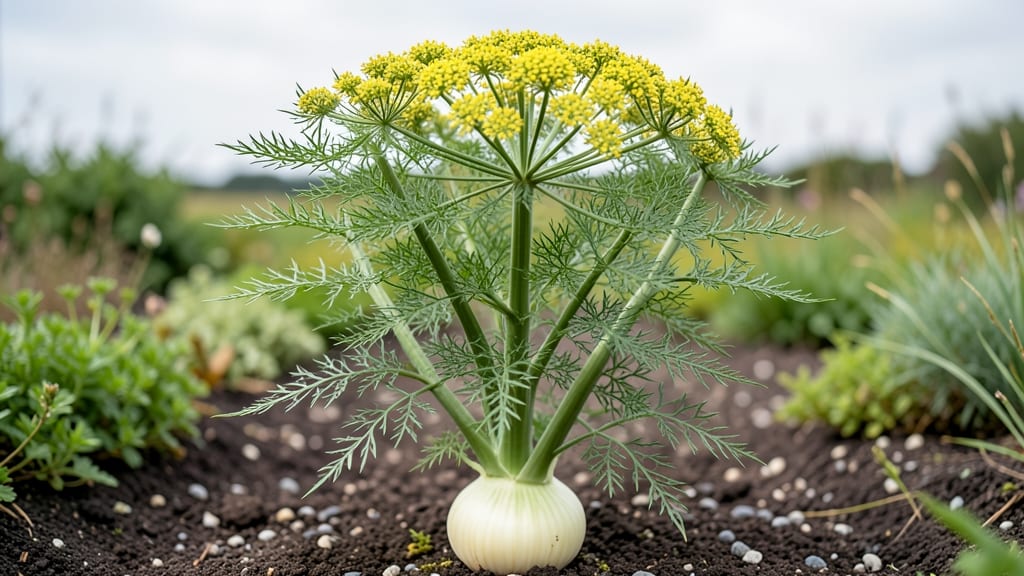
Fennel isn't a true perennial but acts like one in temperate zones, dying back each winter before often regrowing from its base or self-seeding the following spring.
This behavior makes fennel unique—its thick taproot stores energy to fuel regrowth, while its hardy nature lets it survive cold snaps that would kill annuals. 🌱 Unlike true perennials like asparagus, which return reliably year after year, fennel's persistence depends on climate and care.
In my garden, I've seen it bounce back even after frost, though it's never as vigorous as its first-year growth.
What's fascinating is how fennel mimics perennials through self-seeding. When left to flower, fennel drops seeds that sprout prolifically in spring, creating a natural renewal cycle. This trait explains why many gardeners assume fennel is a true perennial—it just doesn't follow the classic definition.
💡 In This Article
- Fennel’s Growth Cycle: Why It Dies Back Like a Perennial
- Extending Fennel’s Lifespan: Gardening Strategies for Year-Round Use
Fennel’s growth cycle: why it dies back like a perennial
Fennel’s ability to return year after year stems from its thick, carrot-like taproot, which stores carbohydrates and nutrients like a true perennial’s crown. Unlike annuals that die completely, fennel’s taproot survives winter dormancy in USDA hardiness zones 5-10, though it may blacken or soften above ground.
This root system acts as a biological battery, allowing regrowth when conditions improve—similar to how rhubarb’s crown persists but with less cold tolerance.
The botanical magic happens in two ways: regrowth from the base and self-seeding. When temperatures rise above 50°F in spring, the taproot sends up new shoots from dormant buds. Meanwhile, fennel’s feathery umbels produce thousands of seeds that germinate prolifically in loose soil.
This dual strategy explains why fennel often appears perennial—it’s not one plant living multiple years but a renewing population through both root regrowth and seedling recruitment.
What sets fennel apart from true perennials like asparagus is its biennial nature. In its first year, fennel focuses on leaf and root growth; in its second, it flowers and sets seed before potentially dying.
However, if you harvest leaves judiciously (never taking more than 1/3 of the plant), the root can persist for 3-5 years in ideal conditions, mimicking perennial behavior. The key difference? True perennials regenerate from the same plant structure annually, while fennel relies on this hybrid system.
Climate plays a critical role in fennel’s "perennial" performance. In warmer zones (8-10), fennel may grow continuously year-round with minimal dieback, while in cooler zones (5-7), it requires protection (mulch, row covers) to survive winter.
The root’s ability to regenerate depends on how much energy it stored during the growing season—think of it like a savings account for plants. 🌱
Fennel’s growth cycle also explains its bitter flavor development over time. Younger plants (first-year growth) have milder, sweeter leaves, while older regrowth or second-year plants can develop stronger anise notes.
This is because the plant redirects energy toward seed production rather than leaf quality—a trade-off that gardeners must manage through careful harvesting.
For comparison, consider asparagus: it produces edible shoots annually from the same crown, while fennel’s edible portion (bulb and leaves) comes from new growth each season. This fundamental difference is why fennel never achieves the decades-long lifespan of true perennials but still earns its "perennial-like" reputation through clever survival strategies.