
Diseases
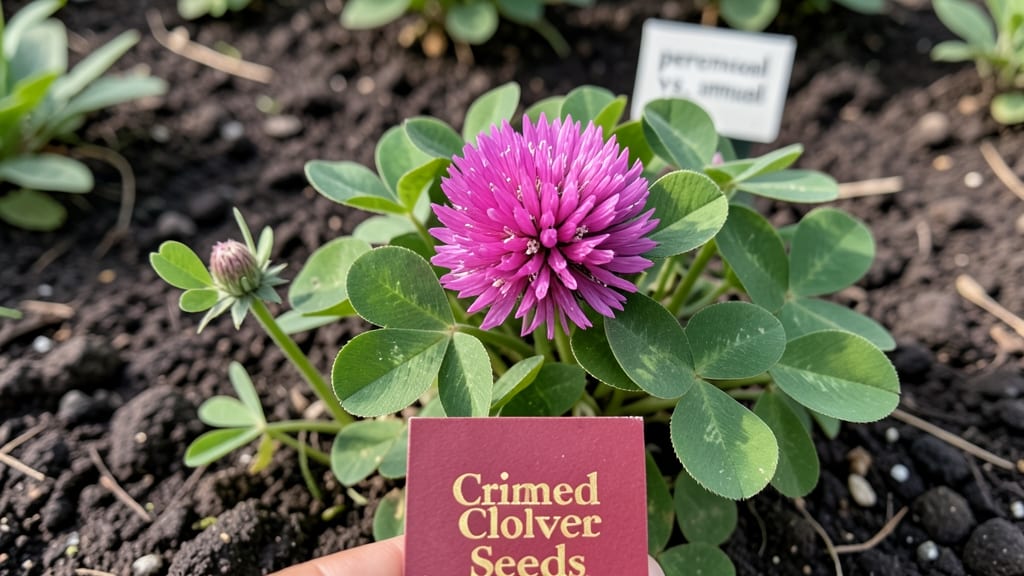
Yes, crimson clover is a perennial that dies back to the ground each winter but regrows from its root system in spring, making it a hardy, long-lived cover crop for gardens and pastures.
What sets crimson clover apart is its clever survival strategy—it stores energy in deep, fibrous roots and crown buds just below the soil surface. 🌱 These underground reserves let it bounce back every spring, even after frost kills the above-ground growth.
Unlike annuals that need replanting, this clover keeps coming back year after year, which is why gardeners love it for soil health and erosion control.
Here's the practical side: its perennial nature means you get three to five years of benefits from a single planting, but you'll need to manage its growth cycle.
Mow it before seed heads form to prevent unwanted spread, and plant in early fall to give roots time to establish before winter. The trade-off? Its winter dieback makes it look like it's "dead"—but that's just part of its hardy lifecycle.
💡 In This Article
- How Crimson Clover’s Root System Ensures Perennial Survival
- Managing Crimson Clover’s Perennial Growth Cycle in Gardens
How crimson clover’s root system ensures perennial survival
The secret to crimson clover's perennial persistence lies in its deep taproot system that extends 2-3 feet into the soil. Unlike shallow-rooted annuals, this root structure stores carbohydrates and nutrients during winter dormancy, fueling regrowth when temperatures rise.
The crown buds—located just below the soil surface—contain dormant meristem cells that can sprout new shoots as soon as conditions improve.
Here's what happens during winter: frost kills the above-ground foliage, but the root system remains active until hard freezes (20°F) trigger dormancy. This process is called vernalization, where cold exposure actually signals the plant to regrow in spring.
The roots continue respiring slowly, maintaining energy reserves until soil temperatures reach 50°F, when shoots emerge within 7-14 days. 🌱 This explains why crimson clover often appears "dead" in winter but returns stronger than ever.
What makes this system remarkable is its adaptability. Crimson clover can thrive in USDA Hardiness Zones 3-9, thanks to its ability to tolerate both cold winters and hot summers. The root system also prevents erosion by holding soil in place year-round, even when the plant is dormant.
Unlike annuals that need replanting, this clover's underground network lets it outcompete weeds while continuously improving soil structure through nitrogen fixation.
There's a scientific reason why this works so well: the root nodules contain Rhizobium bacteria that convert atmospheric nitrogen into plant-usable forms. This symbiotic relationship not only feeds the clover but also enriches the soil for subsequent crops.
The plant's ability to photosynthesize even at low light levels (thanks to its efficient leaf structure) means it can regrow quickly after mowing or frost damage.
For gardeners, this means crimson clover offers three to five years of benefits from a single planting, making it one of the most cost-effective cover crops available. The trade-off?
Its winter dieback can be confusing—what looks like death is actually a survival strategy that ensures the plant returns stronger each season. This biological resilience is why crimson clover remains a favorite among organic farmers and permaculture enthusiasts alike.