
Flowers
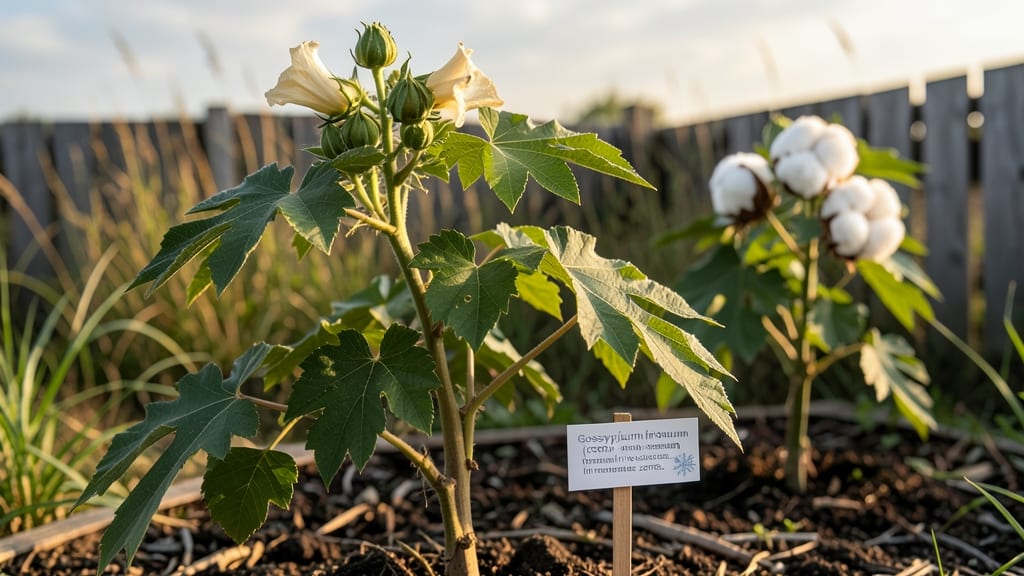
Cotton is not a perennial—it’s an annual plant that completes its life cycle in one growing season, typically producing a single harvest before dying. Most commercial cotton varieties regrow only from seed each year, though some wild species exhibit perennial traits.
Cotton’s annual nature stems from its reproductive strategy, where the plant focuses all energy on producing a single boll harvest before dying back. 🌱 Unlike perennials that regrow from roots each year, cotton’s above-ground parts wither after flowering, leaving only seeds to propagate.
This cycle makes it ideal for large-scale farming but requires replanting annually. Some wild cotton relatives, however, have adapted to survive multiple years in warmer climates, offering gardeners alternatives to traditional annual varieties.
For those wanting cotton-like foliage without yearly replanting, consider okra or roselle, which share similar textures and tropical appeal while growing back each season. These perennials in warmer zones can mimic cotton’s aesthetic while saving you the effort of annual sowing.
The key difference lies in their root systems—cotton’s shallow roots can’t withstand frost, while these alternatives often have deeper, hardier structures.
💡 In This Article
- Why Cotton Is Classified as an Annual Plant
- Perennial Cotton Alternatives for Gardeners
Why cotton is classified as an annual plant
The defining trait of cotton's annual classification lies in its bolting behavior—a rapid flowering and fruiting cycle triggered by day length and temperature. When cotton reaches maturity (typically 120-150 days after germination), it shifts all energy toward producing 50-100 bolls per plant, each containing 20-50 seeds.
This reproductive strategy ensures maximum seed production before the plant's natural lifespan ends, a hallmark of annuals that prioritize propagation over longevity.
Cotton's shallow root system (3-5 feet deep) further explains its annual nature.
Unlike perennials like hibiscus, which develop extensive root networks to survive winter, cotton's roots lack the cold-hardiness to regenerate after frost. 🌱 The plant's entire above-ground structure—leaves, stems, and bolls—dies back after harvest, leaving only the seeds to restart the cycle.
This contrasts with true perennials that regrow from dormant root crowns or rhizomes each spring.
The frost sensitivity of cotton is another key factor. Even in warm climates, temperatures below 32°F can kill cotton plants, making annual replanting necessary. This sensitivity evolved as cotton's native habitats (subtropical regions) rarely experience freezing temperatures.
The plant's entire life cycle—from germination to seed production—must occur within a single growing season, typically 180-220 days depending on variety.
What most gardeners don't realize is that cotton's annual habit actually benefits commercial farming. The plant's rapid growth cycle (3-4 months to harvest) allows for multiple plantings in warm climates, maximizing yield per season.
This contrasts with perennials that require years to reach full productivity. The trade-off is that gardeners must replant cotton annually, whereas perennials like okra or roselle can return year after year with proper care.
Interestingly, some wild cotton species like Gossypium arboreum exhibit semi-perennial traits in tropical climates. These varieties can survive multiple years if protected from frost, producing smaller harvests annually.
However, even these relatives typically decline after 3-5 years due to disease buildup in the soil, demonstrating that true perennialism remains rare in the cotton genus.
For gardeners wanting cotton's aesthetic without annual replanting, consider the okra plant. Its palmate leaves and 3-6 foot height mimic cotton's appearance while growing back from roots each season in zones 8-11.
The key difference is okra's edible pods rather than cotton's fibrous bolls, but the foliage provides similar visual appeal with less maintenance.