
Flowers
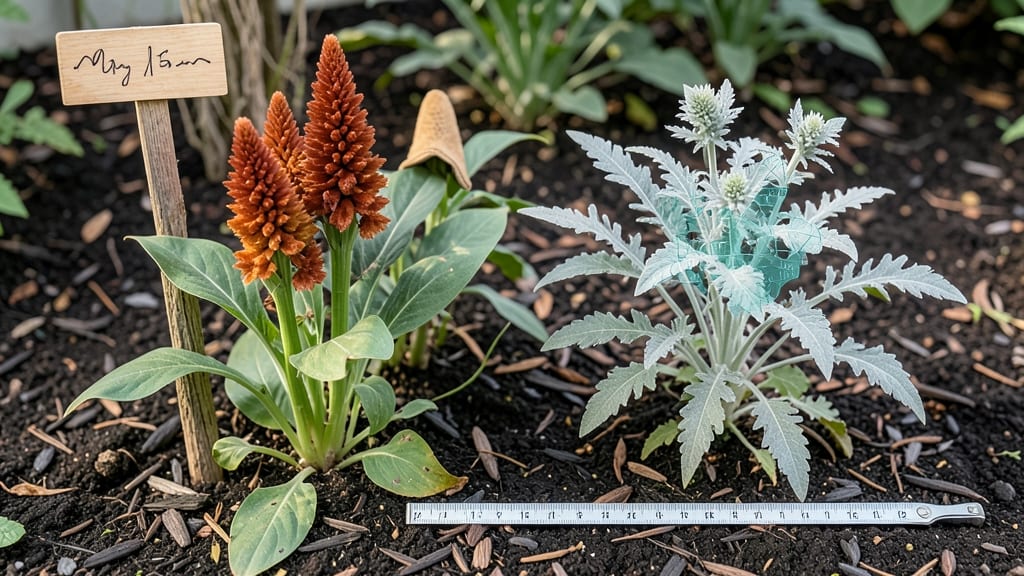
Celosia is not a true perennial in most climates, surviving only as an annual in cold regions but returning from self-seeding in warmer zones where frost doesn’t kill it to the ground. Hardy varieties may persist in mild winters with protection.
Celosia thrives as a seasonal plant in cooler areas because its delicate stems and leaves freeze at temperatures below 32°F.
Unlike hardy perennials, its roots struggle to regenerate after frost damage, which is why gardeners in colder zones replant it yearly. 🌱 However, in frost-free regions (USDA zones 9-11), celosia often self-sows prolifically, creating natural "perennial" behavior.
The key difference lies in temperature resilience—while some varieties tolerate brief cold snaps, most lack the deep root systems needed for winter survival.
For gardeners in marginal climates, overwintering techniques like container growing or heavy mulching can sometimes trick celosia into returning, but results vary. The plant’s bright, velvety blooms make it worth the effort, especially since it’s drought-tolerant once established—a rare combination in ornamental plants.
💡 In This Article
- Why Celosia Dies in Cold Climates
- How to Overwinter Celosia in Chilly Regions
Why celosia dies in cold climates
Celosia's frost sensitivity stems from its tropical origins, where temperatures rarely drop below 50°F. When exposed to freezing conditions (32°F or lower), its thin stems and leaves undergo ice crystallization—a process where water within plant cells expands, rupturing cell walls.
Unlike hardy perennials like hostas (which can survive -20°F), celosia's root systems lack the protective insulation of deep taproots or extensive rhizomes. 🌡️ The damage starts at the foliage level, but the real killer is how frost penetrates to the crown, where critical growth meristems reside.
In USDA zones 7 and below, celosia's survival hinges on how quickly frost arrives. A sudden drop below 28°F will kill most varieties within 24 hours, while a gradual freeze may give plants 3-5 days to acclimate.
The plant's natural defense mechanism—producing antioxidants to combat oxidative stress—simply can't keep up with rapid temperature shifts. Compare this to coleus, another tropical favorite, which dies at 30°F but shares similar frost vulnerabilities due to thin, non-woody stems.
What makes this especially frustrating is celosia's root hardiness threshold: even if the tops freeze back, the roots often survive only if protected by 6+ inches of mulch. Without this insulation, the roots dehydrate and rot from alternating freeze-thaw cycles.
The plant's inability to regenerate from dormant roots (unlike perennials such as salvia) means it cannot recover once winter sets in—explaining why it's classified as an annual in most gardens.
Interestingly, celosia's seed production becomes its survival strategy in warmer climates. When temperatures stay above 40°F year-round, plants self-seed prolifically, creating dense colonies that give the illusion of perennial behavior.
This is why you'll see celosia naturalizing in USDA zones 9-11—it's not the same plant returning, but its offspring thriving in frost-free conditions. 🌱 The key difference lies in whether the plant can complete its life cycle before winter arrives.
For gardeners in transition zones (USDA 8), the battle comes down to timing. Planting celosia 6-8 weeks before first frost gives it just enough time to establish roots and produce seeds before cold sets in.
The seeds then lie dormant until spring, creating the next generation. This is the closest celosia gets to perennial behavior—through generational persistence rather than true overwintering.
Understanding these biological limits helps explain why celosia's bright cockscomb or plume flowers disappear each winter in colder climates. The plant's entire energy system shuts down when exposed to sustained cold, making it fundamentally different from hardy perennials that store energy in roots or underground stems for spring regrowth.