
Flowers
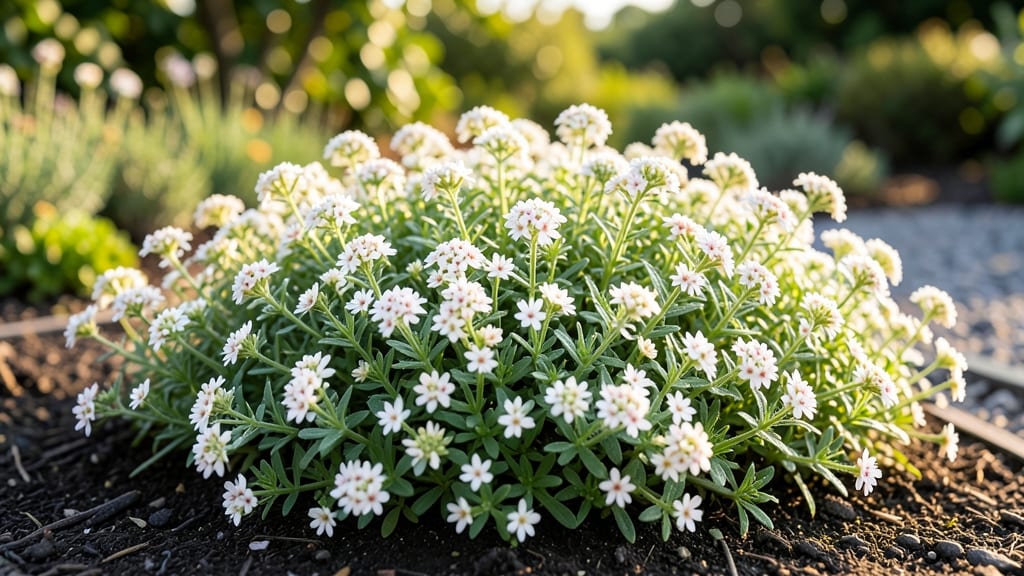
Is alyssum a perennial? It depends on the species and climate—most types are not true perennials, though some varieties die back in winter but regrow from roots if protected, while others function as annuals or biennials based on frost exposure and growing conditions. Sweet alyssum (Lobularia maritima) is usually grown as an annual in colder regions but often self-seeds prolifically.
Alyssum's lifespan classification can be confusing because it behaves differently across species and regions. 🌱 For example, rock alyssum (Aurinia saxatilis) thrives as a true perennial in USDA zones 4-8, while sweet alyssum typically dies back in frost but may return from seed or roots if given winter protection.
The key factor is frost tolerance—many gardeners treat it as an annual in colder climates simply because it's easier to replace each spring.
What makes this plant so popular despite its lifespan quirks is its ability to self-seed aggressively. 🌿 Even if the parent plant doesn't survive winter, new seedlings often pop up in spring, creating dense ground cover without much effort.
This natural regeneration is why some gardeners intentionally leave spent plants in place—they'll often return stronger than ever!
The good news is you can extend alyssum's life through simple techniques like mulching or growing it in containers you can move indoors during cold snaps. For frost-sensitive varieties, choosing late-blooming cultivars gives them more time to establish roots before winter sets in.
💡 In This Article
- Alyssum Lifespan Types: Annual, Biennial, or Perennial?
- Extending Alyssum’s Life as a Cold-Weather Garden Plant
Alyssum lifespan types: annual, biennial, OR perennial?
The botanical classification of alyssum depends entirely on its species and native growing conditions. True perennials like rock alyssum (Aurinia saxatilis) have deep root systems that survive winter dormancy in zones 4-8, regrowing each spring from the same roots.
These varieties store energy in their rhizomes during cold months, allowing them to push through soil as soon as temperatures rise above 40°F. 🌿 The key difference lies in their cellular structure—perennial alyssum cells contain protective proteins that prevent frost damage to critical growth tissues.
Sweet alyssum (Lobularia maritima), however, behaves as a cool-season annual in most climates because its tender stems can't withstand prolonged exposure to 28°F or below.
What makes it confusing is that this species often completes its life cycle in just 60-90 days, producing thousands of seeds before dying back. These seeds lie dormant until spring warmth triggers germination, creating the illusion of perpetual growth.
The science here involves photoperiodism—day length cues the seeds to wait until optimal growing conditions return.
Biennial types like golden alyssum (Alyssum saxatile) take two years to complete their cycle, focusing on leaf growth in the first year and flowering in the second. This two-stage process helps them build reserves for winter survival.
The distinction matters because biennials require 12-14 hours of daylight to trigger flowering, while annuals bloom continuously when days are short—a trait that makes them ideal for container gardening in urban areas where winters are unpredictable.
What most gardeners overlook is how soil temperature affects these classifications. Alyssum roots remain active until the ground drops below 35°F, which explains why mulching with 4-6 inches of straw can extend its lifespan by 2-4 weeks in marginal climates.
This insulation creates a microclimate that mimics the plant's natural Mediterranean habitat where winter temperatures rarely dip below freezing.
Consider these key differences when selecting varieties:
- Perennial types: Aurinia saxatilis (rock alyssum) - survives -20°F with proper mulch
- Biennial types: Alyssum montanum (mountain alyssum) - tolerates 0°F but needs two years to establish
- Annual types: Lobularia maritima (sweet alyssum) - dies at 28°F but self-seeds prolifically
The most reliable way to determine alyssum's lifespan is by checking its USDA hardiness zone rating and your local last frost date.
For example, in zone 5, sweet alyssum planted in late May might survive until mid-October before frost, while the same variety in zone 7 could bloom until November. This seasonal flexibility is why many gardeners treat it as a "semi-perennial"—not truly perennial, but returning year after year through seed.