
Blooming
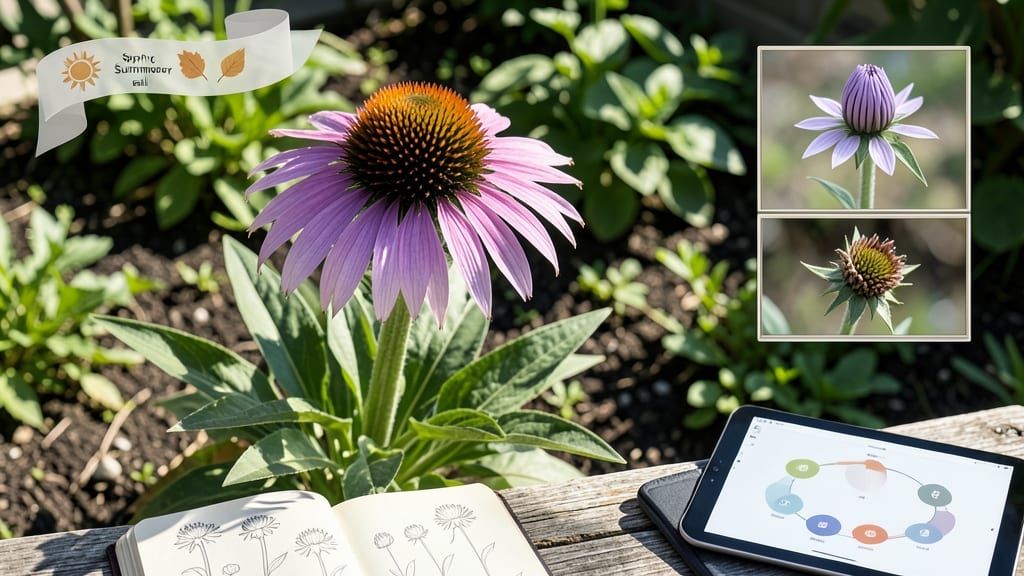
Most perennials bloom once yearly, but some varieties flower multiple times per season or sporadically over years, depending on their species and growing conditions. Common bloom periods include early spring or late summer, though timing varies among plants like coneflowers, peonies, and lavender.
Understanding how often perennials bloom helps you plan your garden for continuous color. 🌸 Many gardeners choose repeat-blooming varieties like black-eyed Susans or bee balm to extend the flowering season, while others prefer seasonal bloomers like peonies for their dramatic spring displays.
The key lies in selecting plants that match your climate and sunlight conditions—this ensures you get the most vibrant, long-lasting flowers possible.
For example, daylilies often produce multiple bloom cycles in a single season when deadheaded regularly, while lavender typically flowers once but remains fragrant and ornamental year-round. Paying attention to these patterns lets you create a garden that stays beautiful from spring through fall.
💡 In This Article
- Factors Influencing Perennial Bloom Frequency
- Best Perennials for Year-Round Color and Bloom Timing
Factors influencing perennial bloom frequency
Perennial bloom cycles are primarily governed by photoperiodism—the plant's response to daylight length—which triggers hormonal shifts. For example, short-day plants like chrysanthemums need 12-14 hours of darkness to flower, while long-day plants such as peonies bloom when daylight exceeds 14-16 hours.
Temperature also plays a crucial role: many perennials require vernalization (cold exposure) to break dormancy before flowering. Without this chilling period, plants like bleeding hearts may produce fewer blooms or none at all.
The maturity stage of the plant directly impacts bloom frequency. Young perennials often focus energy on root and foliage growth, delaying flowers until they're 3-5 years old. Take coneflowers, which may produce minimal blooms in their first year but 20-30 flowers per stem by year three.
Nutrient availability further influences this: phosphorus-rich soil (like bone meal) promotes flowering, while nitrogen-heavy fertilizers encourage leafy growth at the expense of blooms. 🌱
Light exposure creates another critical variable. Most perennials thrive in full sun (6+ hours daily), but some—like astilbes—prefer partial shade. Insufficient light leads to weak stems and sparse blooms, while excessive heat can cause bud drop in heat-sensitive varieties like lilies.
Even watering (1-1.5 inches weekly) prevents stress-induced dormancy, ensuring consistent flowering patterns.
Repeat-blooming perennials like black-eyed Susans or shasta daisies employ a different strategy: they produce secondary flower buds after deadheading spent blooms. This process requires consistent moisture and nutrient replenishment to sustain multiple cycles.
In contrast, single-bloom perennials (e.g., peonies) allocate all energy to one dramatic display, often lasting 2-3 weeks in peak season.
Climate variations further complicate bloom timing. In Zone 5, early spring bloomers like hepaticas may flower 3-4 weeks earlier than in Zone 8, where mild winters delay dormancy.
Microclimates—like sunny south-facing walls—can advance bloom periods by 10-14 days compared to shaded garden beds. Understanding these regional differences helps gardeners select perennials that align with their local growing season.
For gardeners seeking extended color, sequential bloomers—plants that flower at different times—are ideal. For instance, pairing early spring bleeding hearts with late summer sedum creates a 5-month continuous display. This layering technique relies on precise plant spacing and soil preparation to prevent competition for resources.