
Flowers
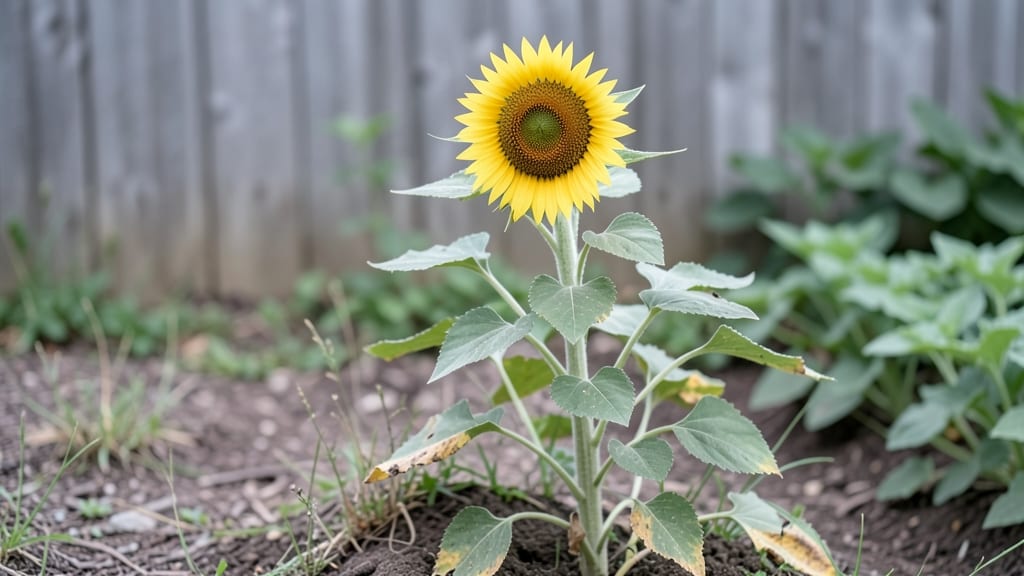
The Helianthus 'Lemon Queen' perennial sunflower brings bold yellow blooms and citrus-scented foliage to your garden every year—no replanting required.
Imagine a sunflower that blooms year after year with vibrant yellow petals and a cheerful, almost citrusy hue—Helianthus 'Lemon Queen' 🌻 is the pollinator magnet your garden needs. This hardy perennial isn’t just beautiful; it’s a powerhouse for wildlife and low-maintenance charm.
Perfect for USDA Zone 6, this sunflower thrives in spring planting and rewards you with blooms from July to September. Whether you're a beginner or a seasoned gardener, its drought tolerance and adaptability make it a standout choice.
Below, I’ll walk you through everything you need to know—from planting tips to care secrets—to keep your Lemon Queen Sunflower flourishing and attracting bees, butterflies, and birds all season long.
Why Helianthus 'Lemon Queen' stands out among perennial sunflowers
If you’ve ever grown annual sunflowers only to watch them fade after one season, you’ll love Helianthus 'Lemon Queen'. This perennial sunflower brings back the joy of sunflowers year after year, with bright yellow blooms that rival their annual cousins.
Unlike tall, floppy annuals, 'Lemon Queen' grows on sturdy 3-5 foot stems, making it perfect for cut flowers and pollinator gardens.
What truly sets it apart is its lemon-scented foliage—a rare trait in sunflowers—and its extended bloom season from mid-summer to early fall.
While annual sunflowers may wilt with heat or drought, 'Lemon Queen' thrives in USDA zones 3-9, adapting to dry spells and poor soils better than most perennials. Its pollinator magnet status means bees, butterflies, and hummingbirds will flock to your garden all season long.
Below, we compare Helianthus 'Lemon Queen' to other perennial sunflowers and annual varieties to show why it’s a top-tier choice for low-maintenance beauty and ecosystem support.
One of the biggest advantages of Helianthus 'Lemon Queen' is its self-sufficiency. Unlike annual sunflowers that require replanting every year, this perennial regrows from its roots, saving you time and money. Even in drought conditions, it continues to produce vibrant blooms, while other perennials may struggle.
Its lemon-scented leaves add an extra sensory delight, making it a standout in cottage gardens or pollinator-friendly landscapes.
For gardeners in US
Step-by-step guide to planting and caring for Lemon Queen sunflowers
The Helianthus 'Lemon Queen' is a dream for gardeners who want year-round color with minimal fuss. Unlike annual sunflowers, this perennial variety returns every season, offering bright yellow blooms and lemon-scented foliage that pollinators adore.
But to unlock its full potential, you’ll need to follow a few key steps—from soil prep to seasonal care.
This guide covers everything you need to know, including ideal planting times, sunlight requirements, and watering schedules tailored to your USDA Zone 6 climate.
Whether you're planting seeds or transplanting young plants, these steps will help you avoid common pitfalls like powdery mildew or stunted growth, ensuring your sunflowers thrive for years.
Planting & Care Checklist
-
Step 1: Choose the Right Location
Select a spot with full sun exposure (6+ hours daily) and well-draining soil. Avoid low-lying areas where water pools.
-
Step 2: Prepare the Soil
Amend the soil with compost or aged manure to improve drainage and fertility. Aim for a slightly acidic to neutral pH (6.0-7.0).
-
Step 3: Plant Seeds or Transplants
For seeds: Plant ½ inch deep after the last frost (around April 15 in Zone 6). For transplants, space them 18-24 inches apart.
-
Step 4: Water Deeply and Consistently
Water 1-2 cups per plant in the morning to encourage deep root growth. Avoid overhead watering to prevent fungal diseases.
-
Step 5: Fertilize Lightly During Growing Season
Apply a balanced fertilizer (5-10-10) every 4-6 weeks from spring to early summer. Stop fertilizing in fall and winter.
-
Step 6: Prune for Health and Shape
Remove dead or damaged stems in early spring. Cut back faded blooms to encourage more flowers and prevent seed formation if you want prolonged blooming.
-
Step 7: Mulch and Protect in Winter
Apply 2-3 inches of mulch around the base to retain moisture and insulate roots. In Zone 6, protect young plants with a light frost cloth if early frosts are expected.
One of the biggest mistakes gardeners make is overwatering Lemon Queen Sunflowers. While they need consistent moisture during the first growing season, established plants are surprisingly drought-tolerant.
Once roots are deep, you can reduce watering to every 7-10 days during dry spells. This hardiness is why they’re perfect for low-maintenance gardens.
Watch for signs of powdery mildew, which appears as white, powdery spots on leaves. To prevent it, ensure good air circulation by spacing plants properly and avoid watering foliage.
If you spot mildew, treat it with a neem oil spray or baking soda solution (1 tsp baking soda + 1 quart water + a drop of dish soap).
For maximum blooms, deadhead spent flowers by cutting the stem back to the nearest set of leaves. This redirects the plant’s energy into producing new blooms instead of seeds.
With proper care, your Lemon Queen Sunflowers will reward you with vibrant yellow blooms from July to September—and possibly even into early fall.
Remember, these sunflowers are not just about beauty—they’re a pollinator powerhouse. Plant them near your vegetable garden to attract bees and butterflies, which will boost your harvest while keeping your garden thriving.
With these steps, your Helianthus 'Lemon Queen' will become the star of your garden for years to come. 🌻