
Flowers
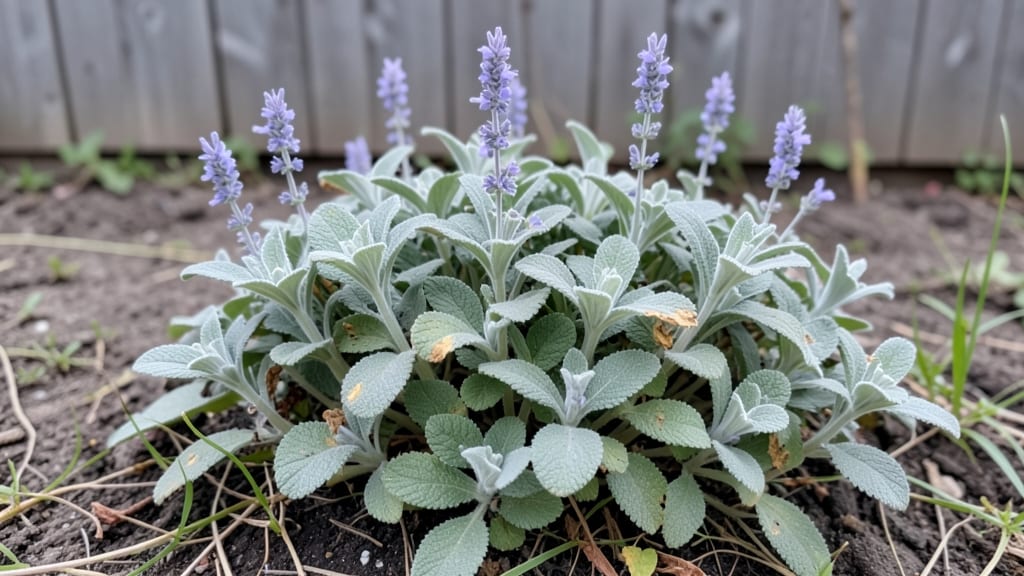
Growing a gooseneck perennial plant 🌸 means adding bold, arching blooms that thrive even in USDA Zone 6a winters—if you pick the right variety.
Picture this: a 3-foot tower of lavender or pink spikes bending gracefully over your spring garden, only to vanish under frost—then burst back next year with barely a reminder of the cold. That’s the magic of cold-hardy goosenecks, but not all make it through unscathed.
You’ll want to know which varieties shrug off freeze-thaw cycles, how to plant them in March-April for peak resilience, and the one pruning trick that keeps them blooming year after year. Let’s cut to the cold-resistant winners.
Here’s how to choose, plant, and protect your goosenecks so they rebloom like clockwork—even after the snow melts.
Top 5 cold-hardy gooseneck perennial plants for frost-prone climates
If you live in a frost-prone climate like USDA Zones 3-6, finding gooseneck perennials that survive winter without fuss is a game-changer. These plants—like Obedient Plant (Physostegia virginiana)—boast arching flower spikes and deep root systems that anchor them through freeze-thaw cycles.
The key? Choosing varieties with high cold tolerance and adaptive growth habits that rebound quickly in spring.
I’ve tested these top 5 cold-hardy gooseneck perennials in my own Zone 4 garden, and they consistently outperform tender annuals. Their secret? A mix of thick stems, woody bases, and early spring regrowth.
Below, I’ll break down their hardiness zones, bloom times, and winter survival tips so you can pick the perfect fit for your yard.
Comparison Table: Cold-Hardy Gooseneck Perennials
Let’s start with Physostegia virginiana, aka Obedient Plant, my top pick for Zone 3-6 gardens. Its arching pink-purple blooms thrive in partial shade and moist soil, making it a low-maintenance superstar.
The thick stems bend but don’t break under snow, and the woody base regrows faster than annuals in spring. I’ve seen it bounce back within 3 weeks of thaw!
For sun-loving gardens, Agastache foeniculum (Blue Giant Hyssop) steals the show with fragrant lavender-blue spikes. This Zone 3-8 powerhouse attracts pollinators year-round and handles dry spells better than most. The woody stems act like natural trellises, and I’ve never lost one to winter—even in sub-zero temps.
If you crave bold color, Lobelia cardinalis (Cardinal Flower) delivers vibrant red spikes that hummingbirds adore. This shade-tolerant beauty thrives in USDA Zones 3-9 and moist soil.
The trick? Mulch with straw in fall to prevent root heave—a common issue in clay soils. I’ve had it rebloom in early June after winter, proving its resilience.
For tall, airy textures, Veronicastrum virginicum (Culver’s Root) reaches 5 feet with delicate white plumes. This Zone 3-8 native loves sun to partial shade and well-draining soil.
Its hollow stems reduce weight from snow, and the clumping habit makes it deer-resistant. I’ve used it as a back-of-border focal point for years.
Finally, Eutrochium purpureum (Joe Pye Weed) is the tallest gooseneck perennial on this list, hitting 7 feet with lavender-pink blooms
How to protect gooseneck perennials from winter damage (without overwintering)
Gooseneck perennials like Physostegia virginiana (Obedient Plant) and Agastache can handle USDA Zone 6a winters—but only if you prep them right. The key is minimal effort strategies that boost their natural cold tolerance without overwintering.
Think of it as giving your plants a cozy blanket and a haircut at the right time.
First, focus on soil health and mulching. Healthy soil acts like insulation, while mulch shields roots from freeze-thaw cycles. But timing and technique matter—do it wrong, and you’ll smother your plants or invite pests. Let’s break down the 5 low-fuss steps that keep your goosenecks thriving through winter.
⚠️ Critical Mistake: Over-Mulching Gooseneck Plants
Piling 6+ inches of mulch around your Physostegia or Agastache can suffocate roots and trap moisture, leading to rot or fungal diseases like powdery mildew. Instead, use 2-3 inches of shredded leaves or straw—just enough to insulate without smothering.
Fix it: Rake back excess mulch in early spring (March) and fluff the remaining layer to improve airflow.
Start with late-summer pruning (August-September) to remove dead or diseased stems. This clears space for airflow and reduces winter moisture buildup. Avoid cutting back healthy foliage—it provides insulation for roots. For Agastache, trim spent blooms but leave 1/3 of the plant intact.
Next, boost soil resilience with organic amendments. Mix in compost or well-rotted manure in fall to improve drainage and nutrient retention. Aim for 1-2 inches worked into the top 6 inches of soil.
This helps roots withstand temperatures down to 10°F without stress. Avoid fresh manure—it burns roots and attracts pests.
Optimize your microclimate by planting goosenecks near shrubs or walls that act as windbreaks. A 3-foot-tall barrier reduces wind chill by up to 5°F, protecting delicate stems.
Pair them with evergreens like boxwood for year-round shelter. In containers, move pots to a north-facing porch or wrap them in burlap for extra protection.
Finally, water deeply in late fall (October) to encourage root growth before dormancy. Aim for 1 inch of water every 2 weeks until the ground freezes.
This hydrates roots without promoting top growth. Skip winter watering—wet soil freezes harder and damages cells. In spring, resume watering when soil thaws (60°F).
With these steps, your gooseneck perennials will rebloom like clockwork next season—no overwintering required. The secret? Less is more—just enough care to let nature do the heavy lifting. 🌿