
Landscaping
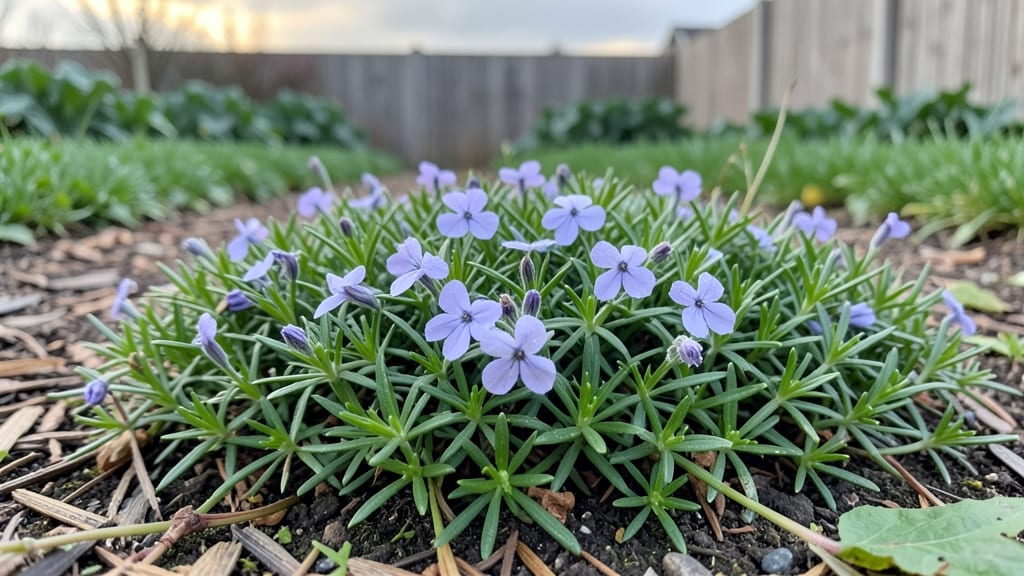
This creeping phlox ground cover perennial spreads effortlessly, thrives through cold winters, and transforms your garden into a vibrant spring display with minimal care. Creeping phlox 🌸 is the perennial solution you’ve been waiting for.
If you’re tired of patchy lawns or high-maintenance ground covers that demand constant attention, creeping phlox changes the game. This hardy plant thrives in USDA Zone 6a and beyond, spreading quickly to create a lush carpet of blooms—with almost no upkeep once established.
From bright pinks to deep purples, its vibrant flowers appear early in the season, offering year-round visual interest with evergreen foliage. Whether you’re tackling slopes, filling gaps between shrubs, or adding color to borders, this plant delivers beauty without the hassle.
In this guide, I’ll walk you through everything you need to know—from planting tips to pruning secrets—so you can enjoy a thriving, low-maintenance garden that stays stunning season after season.
Why creeping phlox is the ultimate cold-hardy ground cover perennial
If you're searching for a low-maintenance, cold-resistant ground cover that delivers year-round interest, creeping phlox (Phlox subulata) should top your list. This evergreen perennial thrives in USDA zones 3-9, making it perfect for northern gardens where winters are harsh.
Its dense, spreading habit naturally crowds out weeds while providing early spring blooms that brighten up frost-pricked landscapes.
What sets creeping phlox apart is its dual-season appeal—lush green foliage in winter and vibrant flower carpets from late winter to early summer. Unlike many ground covers, it handles drought conditions once established and requires minimal care, making it ideal for busy gardeners or slope stabilization projects.
Plus, its low-growing stature (3-6 inches) fits seamlessly into rock gardens, borders, or as a living mulch.
Here’s why this versatile perennial deserves a spot in your garden, broken down into key attributes for easy comparison:
| Attribute | Specification | Notes |
|---|---|---|
| Hardiness Zones | USDA 3-9 | Survives sub-zero winters and hot summers. |
| Sunlight Needs | Full sun to partial shade | 6+ hours of sun for best blooms; tolerates 3-4 hours in shade. |
| Water Requirements | Moderate to drought-tolerant | Water deeply weekly for first year; drought-resistant after establishment. |
| Mature Size | 6-12 inches tall, 12-18 inches spread | Forms a dense mat that suppresses weeds naturally. |
| Bloom Season | Late winter to early summer | Early blooms provide pollinator food when few flowers are available. |
| Soil Type | Well-draining, adaptable | Tolerates sandy, rocky, or loamy soils; avoid heavy clay. |
| Maintenance Level | Low | Minimal pruning (post-bloom cleanup); no fertilizing needed. |
| Weed Suppression | High | Dense growth blocks sunlight to weeds naturally. |
One of creeping phlox’s standout features is its adaptability to challenging sites. Whether you’re tackling a sunbaked slope, a shady woodland edge, or a rock garden, this plant delivers.
Its evergreen foliage stays attractive even in winter, while its spring blooms attract bees and butterflies early in the season. For gardeners in USDA zones 3-5, it’s a lifesaver—thriving where many other perennials would freeze or struggle.
Beyond its practical benefits, creeping phlox offers stunning color options. Varieties range from deep purples and vibrant pinks to soft whites and crimson reds, letting you create monochromatic drifts or contrasting borders.
Pair it with heuchera for foliage contrast or lavender for a Mediterranean-inspired look. The possibilities are endless, and the effort required is minimal.
If you’re dealing with erosion-prone areas, creeping phlox is a game-changer. Its shallow, fibrous roots hold soil in place while its low profile allows rain to flow through rather than pool.
This makes it ideal for rain gardens, swales, or hillside plantings where other ground covers might wash away. Plus, its slow, steady spread means you won’t have to replant for years—just enjoy the self-sustaining beauty it provides.
For those concerned about pests or diseases, creeping phlox is remarkably resistant. Unlike some ground covers that attract slugs or deer, this plant is deer-resistant and rarely suffers from fungal issues if planted in well-draining soil.
A quick post-bloom trim keeps it tidy and encourages next year’s flowers, but beyond that, it’s a set-it-and-forget-it solution for any garden.
To maximize its potential, start with proper spacing—plant 12-18 inches apart to allow room for spreading. Amend heavy clay soils with compost or sand to improve drainage, and avoid over-fertilizing, which can reduce blooms.
With these simple steps, your creeping phlox will thrive for decades, rewarding you with low-maintenance beauty year after year.
Whether you're a beginner gardener or a seasoned pro, creeping phlox is a
Top 5 creeping phlox varieties for different garden conditions
Choosing the right creeping phlox variety can transform your garden into a vibrant tapestry of color and texture. These cold-hardy perennials thrive in USDA zones 3-9 and spread beautifully to suppress weeds while adding seasonal blooms.
Whether you need shade tolerance, drought resistance, or fast-spreading ground cover, there’s a perfect match for your landscape.
The key to selecting the best variety lies in understanding each one’s color palette, sunlight requirements, and growth habits. Some varieties burst with bright reds and pinks, while others offer soft purples or even evergreen foliage for year-round interest.
Below, I’ve compared the top 5 varieties to help you make an informed decision based on your garden’s unique conditions.
🌸 Comparison Table: Top 5 Creeping Phlox Varieties
| Variety | Color | Spread Rate | Sunlight Needs | Maintenance |
|---|---|---|---|---|
| ‘Scarlet Flame’ | Deep red | Moderate (12-18" per year) | Full sun to part shade | Low (deadhead after blooms) |
| ‘Emerald Blanket’ | Soft pink | Fast (18-24" per year) | Full sun | Very low (self-cleaning) |
| ‘Sherwood Purple’ | Deep purple | Moderate (12-15" per year) | Full sun to part shade | Low (prune after flowering) |
| ‘Blue Ridge’ | Blue-purple | Slow (8-12" per year) | Part shade to full sun | Low (tolerates shade well) |
| ‘Green Mountain’ | White | Moderate (12-18" per year) | Full sun | Low (drought-tolerant) |
If you’re looking for a bold statement, ‘Scarlet Flame’ delivers with its deep red blooms that attract hummingbirds. This variety thrives in full sun to part shade and spreads at a steady pace, making it ideal for rock gardens or sloped areas.
Its low-maintenance nature means you’ll spend less time pruning and more time enjoying its vibrant display.
For a softer aesthetic, ‘Emerald Blanket’ offers delicate pink flowers that create a cascading effect perfect for border plantings or container gardens. Its fast-spreading habit means you’ll achieve full coverage in just a few seasons, suppressing weeds naturally.
This variety is also drought-tolerant once established, making it a great choice for xeric landscapes.
If you prefer cool-toned blooms, ‘Sherwood Purple’ is a standout with its deep purple flowers that bloom profusely in spring and early summer. This variety handles part shade well, making it versatile for woodland gardens or understory plantings.
Its moderate spread rate ensures it won’t overwhelm smaller spaces but will still fill in gaps beautifully.
For shadier conditions, ‘Blue Ridge’ is a top pick with its blue-purple blooms that thrive in part shade. This variety is slower to spread, making it ideal for smaller gardens or container plantings where you want to control its growth.
Its evergreen foliage adds year-round interest, even when not in bloom.
Finally, if you love bright, cheerful colors, ‘Green Mountain’ offers pure white blooms that stand out against dark foliage. This variety is drought-resistant and thrives in full sun, making it perfect for dry, sunny spots in your garden.
Its moderate spread rate ensures it won’t take over but will still create a stunning ground cover effect.