
Orchid Care
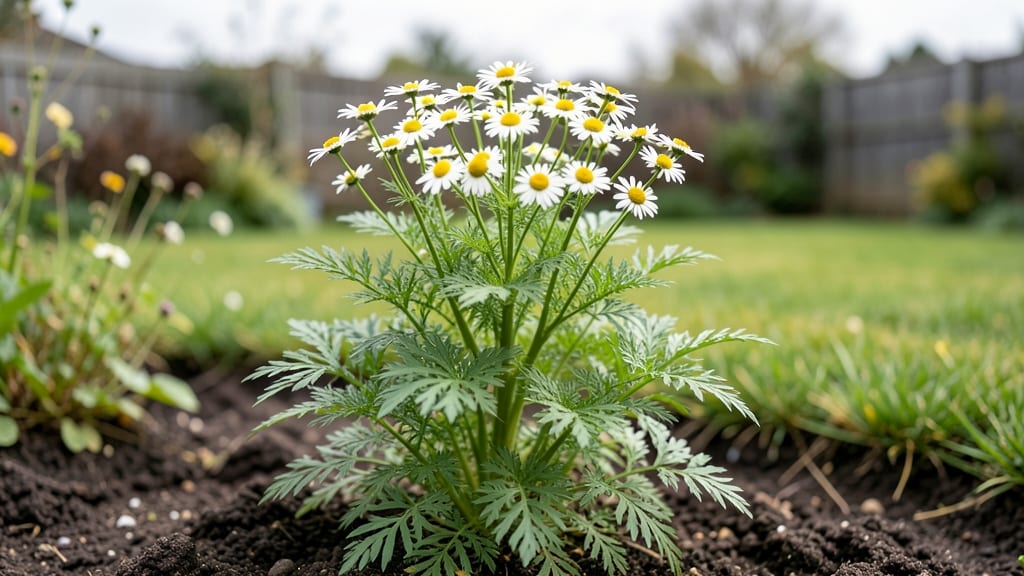
Determining whether chamomile is an annual or perennial depends on your climate—it grows as an annual in warmer areas but acts like a short-lived perennial in cooler zones, often returning through self-seeding even after winter dieback.
This behavior stems from chamomile's deep taproot system, which allows it to survive mild winters in cooler climates. 🌱 When temperatures drop, the above-ground stems die back completely, tricking gardeners into thinking it's a true perennial like lavender.
However, the roots remain dormant until spring, when new plants sprout from seeds dropped the previous year. In warmer regions, chamomile rarely survives winter at all, making it behave strictly as an annual.
To maximize blooms, treat chamomile as an annual in most gardens: sow seeds in early spring after the last frost or in late summer for fall blooms. Rich, well-draining soil and consistent moisture (but not soggy conditions) help establish strong plants.
In cooler zones, you can extend its life by protecting the base with mulch during winter—though even then, it's more reliable to rely on its prolific self-seeding habits than assume it's a true perennial.
💡 In This Article
- Why Chamomile Dies Back Like a Perennial
- How to Grow Chamomile as an Annual for Reliable Blooms
Why chamomile dies back like a perennial
Chamomile's misleading perennial behavior stems from its deep taproot system, which can extend up to 12-18 inches into the soil. This robust root structure allows the plant to store nutrients and moisture during dormancy, enabling survival through mild winters in cooler climates (USDA Zones 4-8).
Unlike true perennials such as lavender or thyme, which regrow from the same root crown each year, chamomile's roots don't persist indefinitely—they simply remain dormant until spring conditions trigger regrowth.
The confusion arises because chamomile's stems die back completely in winter, leaving only the root system intact.
This dormancy cycle mimics true perennials, but the key difference lies in the plant's lifespan: chamomile's roots typically survive only 2-3 years before declining, while perennial roots can live for decades. 🌱 The plant's ability to self-seed prolifically (often producing 1,000+ seeds per plant) further obscures its true annual nature in many climates, as new plants emerge from seeds dropped the previous year rather than from the original root system.
Botanically, chamomile belongs to the Asteraceae family, which includes many short-lived perennials and annuals. Its growth habit is more similar to biennials like carrots or parsley, which complete their life cycle in two years but often self-seed to create the illusion of perennial growth.
The plant's cold tolerance—down to 15-20°F when dormant—allows it to survive winters in cooler regions, but this doesn't classify it as a true perennial.
What makes chamomile particularly deceptive is its flowering pattern. In cooler climates, established plants may bloom again in spring from the same root system, creating the false impression of perennial regrowth.
However, this is actually new growth from seeds that germinated the previous fall or spring, not the original plant persisting. The plant's delicate white and yellow daisy-like flowers (each 1-1.5 inches wide) emerge from these new seedlings, maintaining the cycle.
For gardeners, understanding this distinction is crucial because it affects long-term planning. True perennials like rosemary establish permanent root systems that require less frequent replanting, while chamomile's annual growth habit means it must be refreshed through either annual sowing or relying on its prolific self-seeding.
The plant's sweet apple-like aroma and medicinal properties make it worth the effort, but its growth cycle demands different management strategies than true perennials.
Consider this key difference: while lavender's woody stems persist year after year, chamomile's stems are herbaceous and die back completely each winter. This fundamental structural difference explains why chamomile's growth pattern is more accurately described as short-lived perennial behavior rather than true perennialism.