
Orchid Care
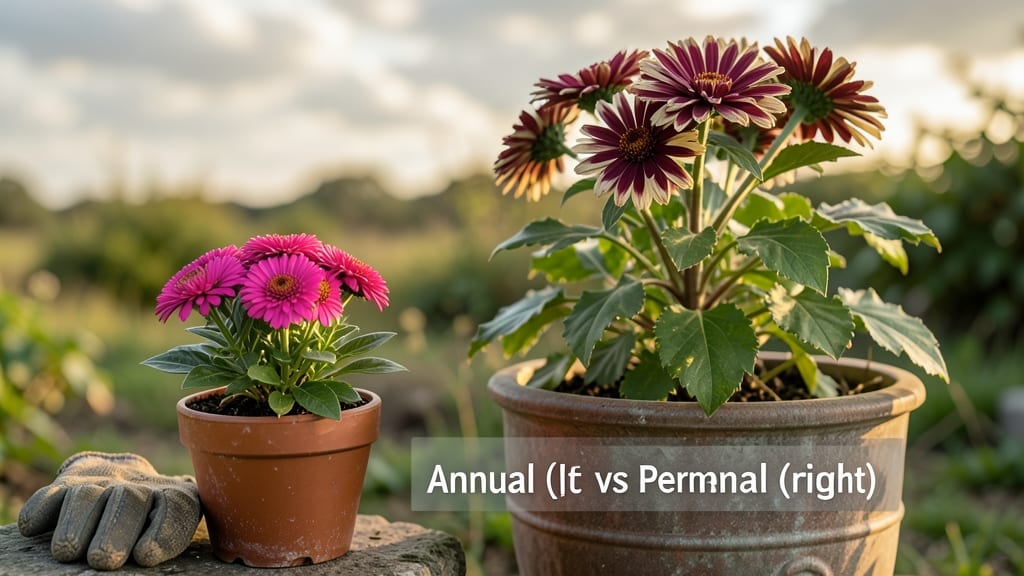
Belgian mums are annuals in most climates because their delicate underground rhizomes can't survive freezing temperatures, but they can become perennials in USDA Zones 7-10 with proper winter protection like mulching and soil insulation.
These vibrant flowers thrive as perennials only in warmer regions where winter temperatures rarely drop below 20°F. 🌱 The key difference lies in their root systems—Belgian mums store energy in rhizomes that freeze solid in colder zones, forcing gardeners to treat them as annuals.
In milder climates, those same rhizomes can regenerate year after year with the right care. I've seen them rebound spectacularly in Zone 8 gardens when protected with thick mulch layers, proving that location makes all the difference in their lifespan.
For gardeners in colder areas, the choice between treating them as annuals or attempting overwintering comes down to how much effort you're willing to invest. While they'll always be annuals in Zones 1-6 without special care, even a modest 3-inch mulch layer can sometimes extend their life by one season.
The trade-off? You'll need to monitor them closely through winter and be ready to provide extra protection if frost threatens.
💡 In This Article
- Why Belgian Mums Die Back in Cold Climates
- How to Overwinter Belgian Mums in Cold Zones
Why Belgian mums die back in cold climates
Belgian mums rely on their rhizomes—thick, horizontal underground stems—to store energy and nutrients for regrowth. These rhizomes contain high moisture levels and delicate vascular tissues that begin to deteriorate when exposed to temperatures below 20°F.
The freezing process causes ice crystals to form within the plant cells, rupturing their membranes in a process called cryoinjury. This cellular damage is irreversible, effectively killing the rhizome's ability to regenerate new shoots in spring. 🌡️
The critical threshold for survival is 15°F, where most Belgian mum varieties experience 50% or greater rhizome mortality. In contrast, hardier chrysanthemum species like 'Hardy Gold' can tolerate temperatures down to -10°F thanks to thicker rhizomes with higher starch reserves.
Belgian mums store only about 15-20% starch in their rhizomes compared to 30-40% in hardy varieties, making them far more vulnerable to winter stress.
Soil composition plays a surprising role in this survival battle. Sandy soils drain quickly, causing rhizomes to dry out and become brittle before winter sets in. In contrast, loamy soils with 30-40% organic matter provide insulation, maintaining rhizome temperatures 5-10°F warmer than air temperatures.
This is why gardeners in Zone 7 often see partial survival—those extra degrees can mean the difference between total freeze damage and partial rhizome survival. 🌱
Another factor is the plant's natural dormancy cycle. Belgian mums enter dormancy in fall, but their metabolic processes continue at reduced rates. When temperatures drop suddenly, this metabolic activity can spike temporarily, depleting the remaining energy reserves faster than expected.
This explains why some plants survive mild winters only to fail during early spring freezes, even when protected.
The rhizome's location in the soil matters too. When planted too shallow (2 inches deep), they're exposed to temperature fluctuations at the soil surface. Planting them at 3-4 inches deep provides 2-3°F of additional protection from freezing air.
This depth difference might seem small, but it can mean the difference between complete survival and total loss in marginal climates.
What makes this particularly frustrating for gardeners is how Belgian mums can look perfectly healthy in fall, only to fail completely the following spring.
This delayed failure occurs because the rhizome damage accumulates over time during cold snaps, and you might not notice until you see no new growth in spring. The plant's vibrant fall foliage is actually a red flag—it indicates the rhizome has already begun its decline. 🍂