
Plants
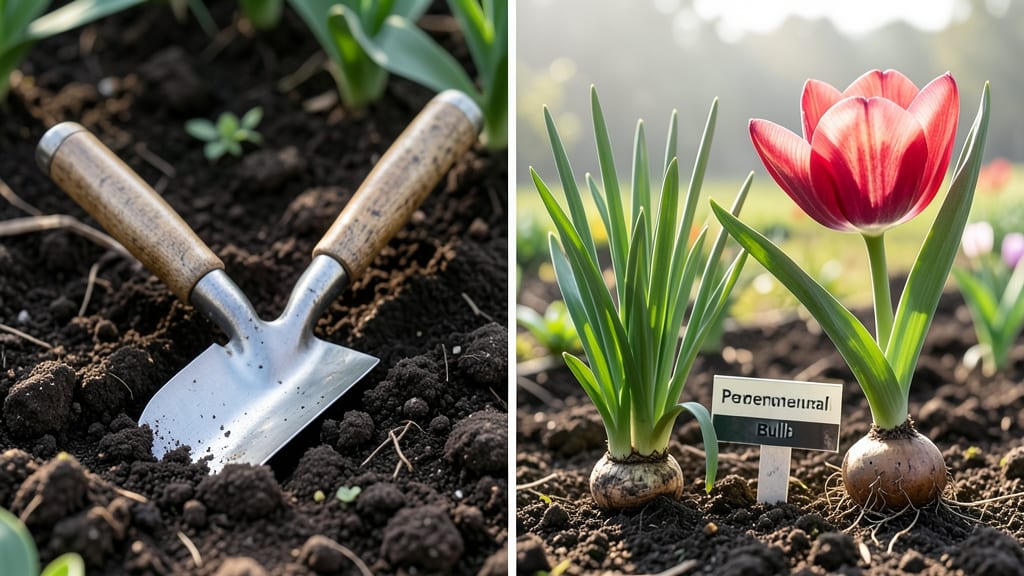
Tulips are perennials because they regrow from the same bulb each year, though gardeners often mistake them for annuals due to their dieback after flowering. With proper care—like preserving foliage and providing ideal growing conditions—they can bloom reliably for years.
Tulips are technically perennials because their underground bulbs store energy to regrow each spring, but their above-ground stems die back after flowering. 🌱 The key to their perennial behavior lies in those leaves—even after blooms fade, they continue photosynthesizing to feed the bulb for next year's growth.
Without this foliage, the bulb weakens and may fail to regenerate, which is why many gardeners assume tulips are annuals.
What makes this cycle fascinating is how environmental factors play a role. Cooler climates with proper winter chilling trigger bulb dormancy, while warmer regions may require extra care like mulching. I've found that dividing bulbs every 3-4 years also boosts their longevity by preventing overcrowding and disease.
The misconception about tulips being annuals stems from gardeners removing foliage too soon or planting them in less-than-ideal conditions.
💡 In This Article
- Why Tulips Die Back and How Bulbs Regenerate
- Extending Tulip Lifespan: Bulb Care and Planting Tips
Why tulips die back and how bulbs regenerate
The tulip's dramatic dieback after flowering isn't a sign of death—it's part of a clever survival strategy. Those wilted stems and leaves are still working hard to fuel the bulb's underground energy reserves. Through photosynthesis, even yellowing foliage continues converting sunlight into sugars that get stored in the bulb.
This process can last 6-8 weeks after blooming, which is why cutting back stems too soon starves the bulb of its winter provisions.
Bulb regeneration kicks off when specific temperature triggers are met. Tulip bulbs require a period of 12-16 weeks below 50°F to break dormancy—a process called vernalization. Without this cold exposure, stored energy remains dormant, and the bulb may not sprout the following spring.
The science here involves phytohormones like gibberellins that regulate growth, which only activate after sufficient chilling. This is why tulips planted in warm climates often struggle—they miss this critical dormancy period.
What most gardeners don't realize is that the bulb's lifespan depends entirely on this energy cycle. Each year, the bulb must accumulate enough reserves to support both the current season's growth and next year's blooms.
When foliage is removed prematurely—say, within 4-6 weeks of flowering—the bulb becomes depleted, mimicking the behavior of annuals. This is why many gardeners assume tulips are short-lived plants when, in reality, it's more about improper care than the plant's biology.
The bulb's regeneration process also involves a fascinating transformation of its structure. After flowering, the bulb begins developing new "daughter" bulbs from its base, which will eventually replace the parent bulb. This process requires consistent moisture and nutrients—drought or poor soil can halt this regeneration.
The outer layers of the bulb actually serve as protective scales that prevent moisture loss during dormancy, much like how a snake sheds its skin to grow.
Consider this: A healthy tulip bulb can live for 5-10 years under ideal conditions, but improper care reduces this lifespan dramatically. The bulb's ability to regenerate depends on maintaining this delicate balance between energy storage and growth triggers.
Even in their native range across Central Asia, tulips rely on this cycle to survive harsh winters and dry summers—a testament to their remarkable adaptation strategies.
Here's what's actually happening beneath the soil: The bulb's basal plate (where roots emerge) becomes hyperactive during the post-bloom period, absorbing nutrients from the decomposing foliage. This is why brown, crunchy leaves aren't just dead—they're being recycled into the bulb's next season's energy supply.
The whole system is a perfect example of nature's efficiency in resource management.