
Orchid Care
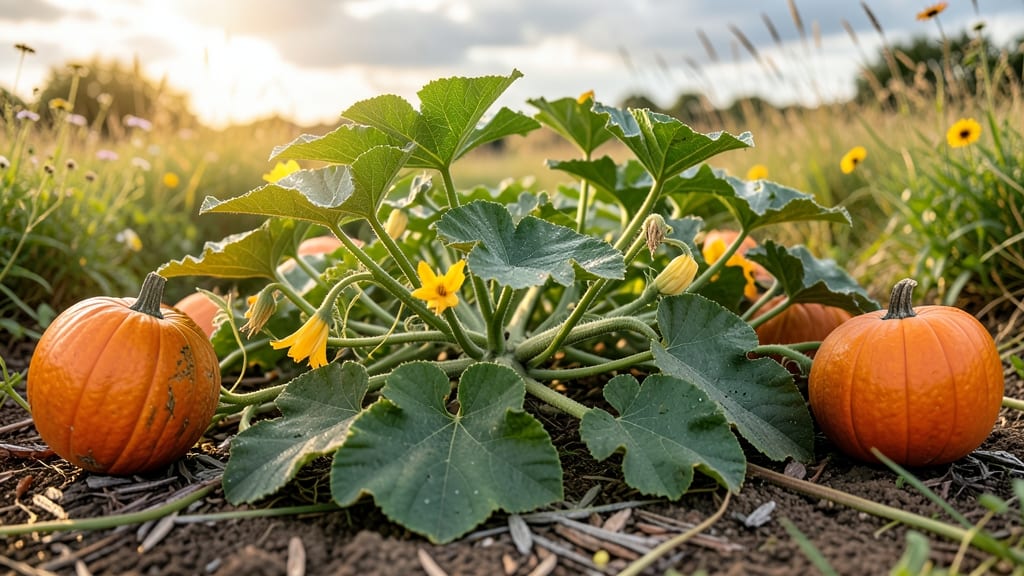
Pumpkins are classified as annuals, not perennials, because they grow, flower, and produce fruit within one season before dying back completely. However, their hardy vines can sometimes regrow from leftover roots, making them appear perennial in certain conditions.
This botanical quirk happens because pumpkins focus all their energy on rapid growth and fruit production during their short lifespan. 🌱 Unlike true perennials that store energy underground for multiple years, pumpkins prioritize seed production over long-term survival.
That said, if you leave a portion of the root system intact over winter, you might see new shoots emerge in spring—though this isn't true perennial behavior.
What's fascinating is how this strategy aligns with pumpkins' natural purpose: spreading seeds as widely as possible in a single season. Many gardeners take advantage of this by saving seeds from their best pumpkins or carefully overwintering root fragments to get a head start next year.
💡 In This Article
- Why Pumpkins Die Back Annually: The Science of Their Life Cycle
- How to Encourage Pumpkin Regrowth: Turning ‘Annuals’ into Multi-Season Plants
Why pumpkins die back annually: the science of their life cycle
Pumpkins follow a strict annual cycle because they're genetically programmed to complete their entire life span—from seed germination to fruit production—in just one growing season.
This behavior stems from their evolutionary strategy: maximizing seed production before the first frost. 🌱 Unlike perennials like asparagus or strawberries, which store energy in underground rhizomes or tubers, pumpkins allocate nearly all their resources to rapid vine growth and fruit development.
Their life cycle is triggered by photoperiodism—the response to daylight length—which signals when to flower and set fruit, typically between 60-90 days after germination, depending on the variety.
The dieback process begins when temperatures drop below 50°F and daylight shortens in fall. At this point, pumpkins shift from vegetative growth to reproductive focus, producing flowers and fruit. Once the fruit matures and seeds harden, the plant's energy reserves deplete, causing the vines to yellow and die.
This is a survival mechanism: by dying back, pumpkins ensure their seeds can germinate in the following spring. True perennials, like winter squash (which are technically annuals too) or melons, don't follow this exact pattern—they either regrow from roots or require replanting annually.
What makes pumpkins unique is their ability to regenerate from root fragments if left undisturbed. When you leave part of the root system intact over winter, the remaining cells can produce new shoots in spring, creating the illusion of perennial behavior.
This isn't true perennialism—it's more like a "cheat code" in their annual lifecycle. 💫 The regrowth happens because pumpkin roots contain meristematic tissue (growth cells) that can reactivate under the right conditions: warm soil temperatures (above 60°F), adequate moisture, and sunlight.
However, this regrowth is often weaker than starting fresh from seed, as the plant hasn't built up full reserves.
Comparing pumpkins to true perennials like strawberries highlights the difference. Strawberries produce runners that form new plants year after year, while pumpkins rely on their vines to spread seeds. The key distinction is energy allocation: perennials invest in underground storage, while pumpkins prioritize above-ground fruit production.
This is why gardeners often see pumpkin vines returning in spring—they're not perennial plants, but their roots can persist if conditions are right.
One fascinating detail is how pumpkin varieties affect this cycle. Smaller varieties like Jack Be Little or Sugar Pie may regrow more reliably than giant varieties like Atlantic Giant, which divert more energy to fruit production.
The size of the root system also matters: larger vines have more stored energy in their roots, increasing the chances of regrowth. 🌿 This is why some gardeners intentionally leave a portion of the root system intact when harvesting pumpkins for fall displays.