
Flowers
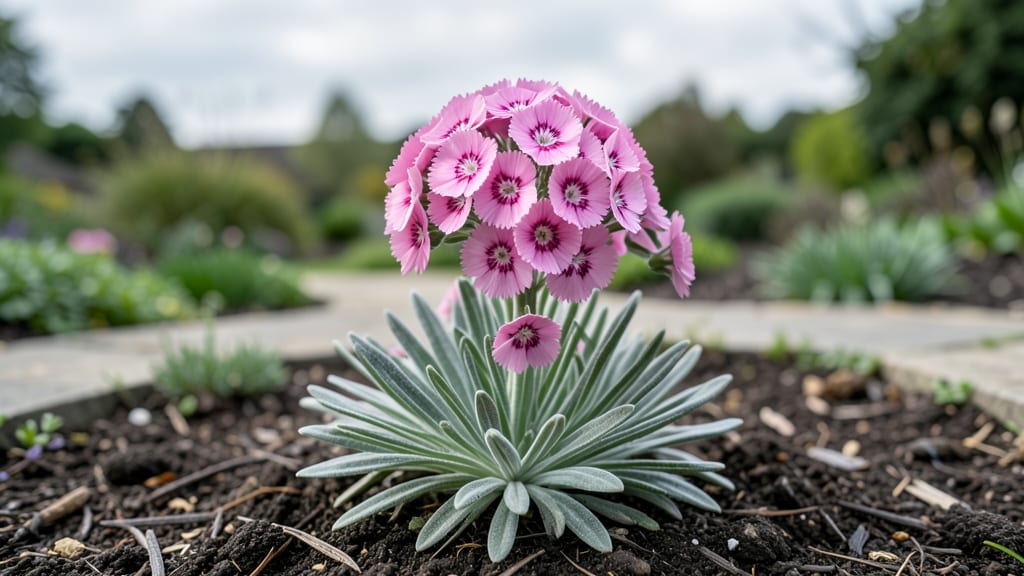
Pinks are perennials in most climates, using bulbs, corms, or rhizomes to store nutrients through winter dormancy and regrow each spring when conditions improve.
These flowering plants thrive because their underground storage organs act like natural batteries, storing energy for months. 🌱 The key to their survival is proper soil—well-draining mixtures with organic matter help roots establish strong reserves.
In colder regions, mulching with straw or leaves protects these organs from freezing, while warmer climates may require shade during peak summer heat. Some varieties, like Dianthus (common pinks), even produce new growth from the same root system year after year, making them low-maintenance once established.
What sets perennials apart is their ability to return season after season, unlike annuals that complete their life cycle in one growing period. The trade-off? They often need more time to reach full bloom compared to their annual cousins.
For gardeners, this means planning ahead—choosing the right location, soil prep, and winter protection can mean the difference between a plant that fades away and one that rewards you with vibrant blooms for years.
💡 In This Article
- How Pinks Use Underground Storage Organs to Survive
- Caring for Pinks as Perennials: Soil, Water, and Winter Prep
How pinks use underground storage organs to survive
The secret to pinks thriving as perennials lies in their specialized underground storage organs—bulbs, corms, or rhizomes—which act like nature's energy banks. These structures store carbohydrates, proteins, and water during dormancy, fueling regrowth when conditions improve.
For example, Dianthus species (common pinks) typically use fibrous roots and rhizomes, while Carnations often develop corms—swollen underground stems packed with nutrients. The key difference? Bulbs (like onions) have layered scales, corms are solid and starchy, while rhizomes spread horizontally, creating a network of growth points.
Temperature triggers dormancy in these organs. As days shorten and temperatures drop below 50°F, pinks enter a metabolic slowdown, conserving energy. Moisture levels also play a critical role—too much water can cause rot in stored organs, while too little stresses the plant.
In Zone 5 climates, where winters dip below -10°F, these organs may shrink to 30-50% of their summer size, but remain viable. The magic happens in spring when soil temperatures rise to 55-60°F, signaling the organs to resume growth through hormone changes like increased gibberellin production.
Not all pinks behave the same—some varieties, like Silene (catchfly pinks), form bulbs that can survive 5-7 years underground, while others regenerate annually from rhizomes.
This explains why your neighbor's pinks might return every year while yours struggle: soil conditions, moisture retention, and winter protection all influence how effectively these organs store and release nutrients. The deeper the root system (often 6-12 inches deep), the more resilient the plant becomes against environmental stressors.
What most gardeners overlook is how these organs interact with soil microbes. Beneficial fungi and bacteria form symbiotic relationships with pink roots, helping break down organic matter into usable nutrients. A healthy soil ecosystem can boost a pink's storage capacity by 20-30%, meaning better blooms and longer dormancy survival.
For instance, adding composted leaf mold to planting holes improves moisture retention and microbial activity, giving these storage organs a survival advantage in harsh winters.
Here's what happens when conditions go wrong: If soil stays too wet during dormancy, corms rot within 2-3 weeks due to fungal infections. Conversely, drought-stressed rhizomes may produce weak shoots that fail to establish. The solution?
Amend heavy clay soils with sand and peat moss to improve drainage, while mulching with 2-3 inches of straw insulates roots from temperature swings. This balance between moisture control and insulation is why some gardeners in Zone 7 report their pinks lasting 10+ years with minimal care.
Think of these storage organs as the plant's survival strategy. They've evolved to handle seasonal extremes by storing energy, water, and even protective compounds like antioxidants. When you plant pinks, you're essentially giving them a head start—those first-year roots and organs become the foundation for years of blooms.
The best part? Once established, many pink varieties require 50% less water than annuals because their underground systems are already optimized for efficiency.