
Plants
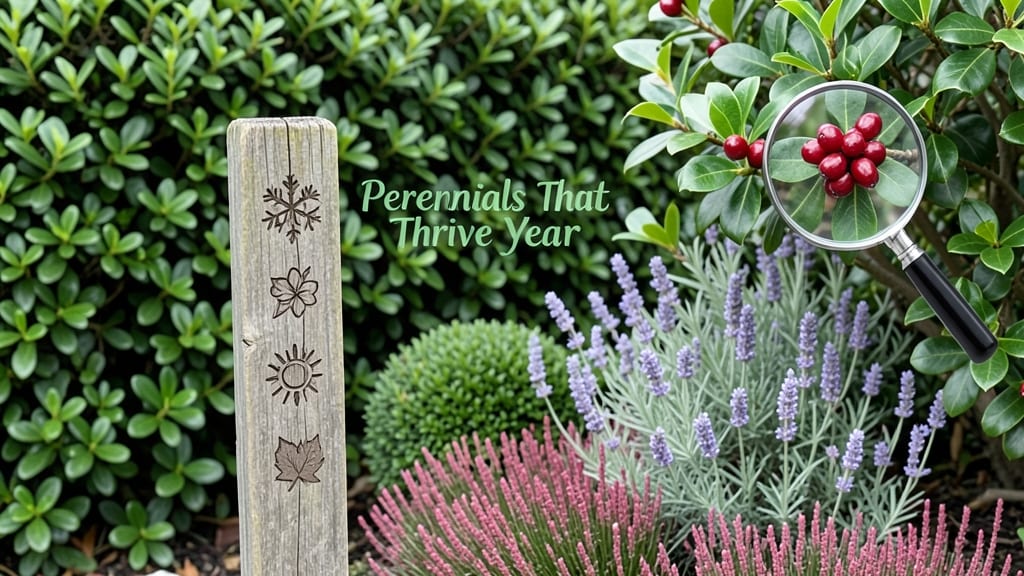
Perennials aren't always year-round plants—they live through multiple growing seasons but often go dormant or die back during cold winters, only to regrow when temperatures rise. Some hardy varieties survive harsh winters, while others need protection or relocation to thrive.
Perennials get their name because they return each year, but that doesn't mean they're always active. 🌱 Many perennials have deep root systems that store energy during winter dormancy, allowing them to bounce back when spring arrives.
The key difference lies in their hardiness—some like peonies can handle Zone 3 winters (-40°F), while others like hibiscus need Zone 9 warmth (20°F minimum). This is why gardeners in colder climates often choose cold-tolerant varieties or provide seasonal protection like mulch or frost cloth.
What's fascinating is how perennials adapt: evergreen types like boxwoods keep their foliage year-round, while deciduous ones like hostas shed leaves to conserve energy. The USDA Plant Hardiness Zone Map helps gardeners select plants that match their local climate, ensuring they'll return season after season without constant replanting.
💡 In This Article
- How Cold Zones Determine Perennial Survival
- Choosing Perennials for Year-Round Growth in Different Climates
How cold Zones determine perennial survival
Perennial survival hinges on their ability to withstand seasonal temperature shifts, which is why the USDA Plant Hardiness Zone Map becomes your best friend. This system divides North America into 13 zones based on average minimum winter temperatures, ranging from -60°F in Zone 1 to 10°F in Zone 11.
Plants labeled for Zone 5 (down to -20°F) won't survive Zone 9 winters (down to 20°F) without protection, while Zone 9 natives like bougainvillea would crisp in Zone 4's -30°F winters.
The magic happens in the roots: hardy perennials like coneflowers store carbohydrates in their root crowns during dormancy, fueling regrowth when soil temperatures hit 50°F.
Evergreen perennials like boxwoods or hemlock use a different strategy—they maintain chlorophyll in their needles year-round, allowing photosynthesis even at 32°F. Deciduous types like hostas or peony take the opposite approach: they shed leaves to prevent water loss and protect their cambium layer (the growth tissue) from freezing.
What's fascinating is how temperature triggers regrowth: most perennials won't emerge until soil temperatures reach 45-50°F for at least 7-10 days, which is why late frosts can delay spring blooms. 🌱
The science of frost tolerance involves cellular adaptations. Plants produce antifreeze proteins that prevent ice crystals from forming in their cells, similar to how some fish survive Arctic waters. Cold-hardy perennials also increase their sugar content in fall, which acts as a natural antifreeze.
For example, Russian sage (Zone 4) can survive -30°F winters because its stems contain 15-20% sugar by weight during dormancy. This biological strategy explains why some perennials look dead in winter but return stronger each spring.
What most gardeners overlook is how microclimates within a zone create exceptions. A south-facing wall might be 5-10°F warmer than the surrounding area, allowing tender perennials like lavender (Zone 5-9) to thrive in Zone 4 gardens when planted near heat-absorbing surfaces.
Similarly, mulch thickness matters: a 4-inch layer of straw can raise soil temperatures by 2-4°F in winter, protecting roots from freeze-thaw cycles that cause heaving. This is why daylilies (Zone 3-9) often survive colder winters when properly mulched compared to unprotected plants.
Evergreen perennials face different challenges—they must balance water retention with frost damage. Needles like those on juniper or arborvitae have thick cuticles and sunken stomata to reduce water loss, but prolonged below-zero temperatures can still cause desiccation.
Deciduous perennials avoid this by entering complete dormancy, while semi-evergreens like shrubby st. john's wort shed some leaves but keep others for photosynthesis. This variation explains why some "evergreen" perennials turn brown in winter—they're not truly evergreen but have retained some foliage for survival.
Here's a key takeaway: the term "year-round" for perennials is a misnomer in colder climates. What we're really talking about is seasonal dormancy—a survival strategy where plants conserve energy underground or in protected foliage until conditions improve.
The hardiest perennials can withstand months of sub-zero temperatures, while tender varieties may only survive one growing season without protection. Understanding these biological mechanisms helps gardeners select plants that match their climate's extremes. 💫