
Plants
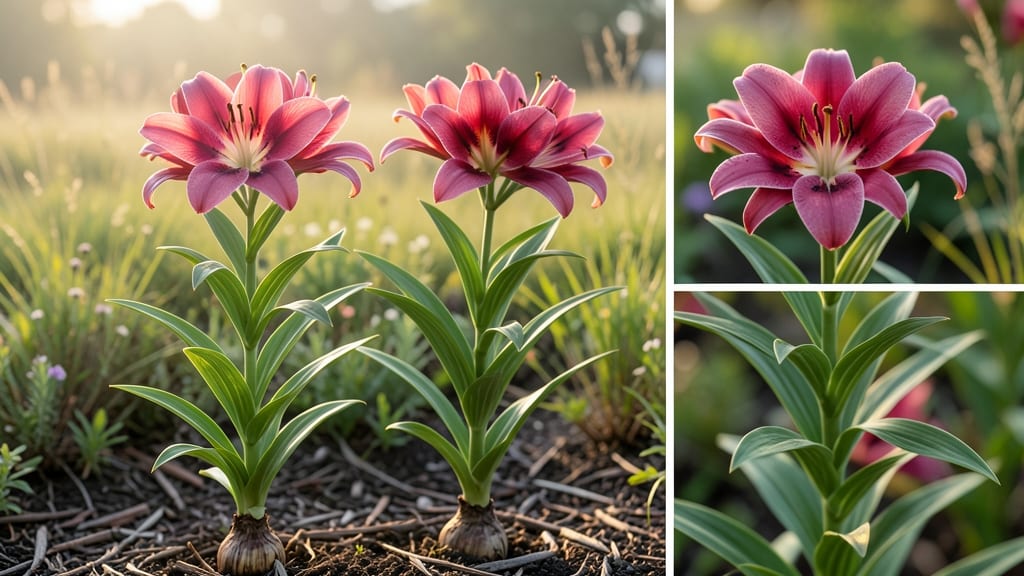
Oriental lilies are indeed perennials, meaning they return year after year by dying back to the ground in winter and regenerating from their hardy underground bulbs each spring. These cold-tolerant plants thrive in USDA zones 3-8, adapting beautifully to seasonal dormancy.
This perennial behavior sets oriental lilies apart from annuals—their bulbs act like natural storage units, storing energy to fuel regrowth when temperatures rise. 🌱 The key to their survival lies in proper winter care, like mulching and choosing well-draining soil, which prevents rot during dormancy.
What's fascinating is how some varieties even bloom earlier than others, thanks to their unique genetic adaptations to cold climates.
While most oriental lilies handle freezing temperatures well, extreme cold snaps below 0°F can stress bulbs, making winter protection essential.
I've found that adding a thick layer of straw mulch around the base can raise soil temperatures by 5-10°F, giving these plants the best chance to bounce back each spring. The trade-off?
Their dramatic seasonal dieback makes them seem like annuals at first glance, but their persistent bulbs prove otherwise.
💡 In This Article
- How Oriental Lilies Overwinter and Regrow
- Extending Oriental Lily Lifespan in Cold Climates
How oriental lilies overwinter and regrow
The true magic of oriental lilies lies in their bulb-based survival strategy. Unlike annuals that complete their life cycle in one season, these perennials store nutrients in their fleshy, onion-like bulbs during dormancy.
When temperatures drop below 50°F, the plant's foliage yellows and dies back, but the bulb remains alive underground, protected by its papery tunic that acts like natural insulation.
This tunic is actually a modified leaf layer that shields the bulb from freezing and moisture loss—similar to how an onion stores food and water.
Bulb resilience comes from their specialized root system. Oriental lilies develop a network of fibrous roots that spread 12-18 inches wide, anchoring the plant while absorbing moisture deep in the soil profile.
These roots contain natural antifreeze compounds (like proline amino acids) that prevent cellular damage when temperatures dip to -10°F. What's fascinating is how the bulb's growth center, called the basal plate, remains metabolically active even in dormancy, ready to trigger regrowth when soil temperatures reach 55°F in spring. 🌱
The regrowth process begins when the bulb's apical meristem (growth point) receives moisture and warmth signals. Within 2-3 weeks of soil warming, you'll see new shoots emerge from the ground, often before the old foliage has completely decomposed.
This staggered timing explains why some gardeners mistake oriental lilies for annuals—they appear to "disappear" in winter only to reappear dramatically in spring. The key difference from annuals is that oriental lilies' bulbs store 50-70% more starch reserves than their annual counterparts, fueling multiple years of growth.
Temperature thresholds vary by variety, but most oriental lilies enter dormancy when nighttime temperatures stay below 40°F for 3-4 weeks. Some northern-adapted cultivars (like 'Stargazer') can tolerate -20°F with proper mulching, while southern varieties may struggle below 15°F.
The critical factor is soil moisture during dormancy—wet conditions can cause bulb rot, while dry soil preserves the bulb's energy reserves. This is why well-draining soil with 1-2 inches of organic mulch makes all the difference in cold climates.
What sets oriental lilies apart from other perennials is their dramatic seasonal transformation. While daylilies might just go dormant, oriental lilies completely shed their above-ground structure, leaving only the bulb visible. This complete dieback might seem like death, but it's actually a survival adaptation that conserves energy during harsh winters.
The bulb's scale leaves contain 15-20% moisture content at dormancy, which sustains the plant until spring rains recharge the soil. 💫
One common misconception is that oriental lilies are "winter-killed" if they don't regrow immediately. In reality, bulbs can remain viable for 3-5 years underground without sprouting, waiting for ideal conditions.
This delayed emergence explains why gardeners sometimes find lilies popping up years after planting—especially in disturbed soil where bulbs get relocated. The key to their perennial success is this built-in flexibility in their growth cycle.