
Flowers
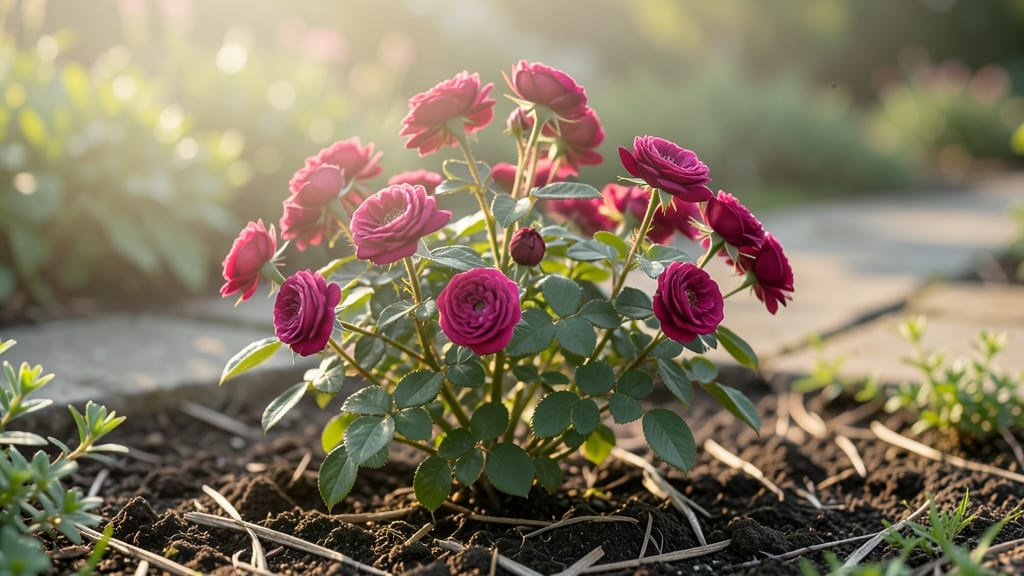
Miniature roses are perennials in most climates, surviving winter dormancy with proper care, though cold-hardy varieties thrive better in USDA Zones 5-10. Pruning and mulching extend their lifespan beyond one growing season.
Unlike annuals that die after one season, miniature roses return year after year because they develop hardy root systems and enter a dormant state during cold months. 🌱 The key to their survival lies in how they prepare for winter—forming tight buds that protect new growth and insulating roots with mulch.
While they can handle light freezes, extreme cold in Zones 3-4 often requires extra protection like frost blankets or container insulation. I’ve seen gardeners in colder regions overwinter them indoors during harsh winters, which works surprisingly well!
What sets miniature roses apart from other perennials is their compact size and rapid regrowth after dormancy. Their smaller stature means they recover faster from winter stress, making them ideal for containers or small gardens. The trade-off?
Their delicate blooms need consistent care—neglecting pruning or mulching can shorten their lifespan significantly. For best results, I recommend pruning back by one-third in early spring and adding 3-4 inches of mulch around the base before the first frost.
💡 In This Article
- How Miniature Roses Survive Winter Dormancy
- Winter Care Tips for Long-Term Miniature Rose Health
How miniature roses survive winter dormancy
Miniature roses enter dormancy through a fascinating botanical process called cold acclimation, where their cells produce protective proteins and sugars that act like antifreeze. This mechanism allows them to survive temperatures down to 15-20°F in their native hardy varieties, though extreme cold (0°F) can still cause damage.
The plant's roots, which extend 12-18 inches deep, store carbohydrates during summer to fuel this survival process—a strategy shared with other perennials like peonies but more efficient in miniatures due to their compact growth habit.
The real magic happens in their buds, which form tightly packed layers of protective scales that shield delicate growth points from freezing temperatures.
These buds contain meristem cells that remain alive but metabolically inactive until spring's warmth triggers them to resume growth. 🌱 Unlike hybrid teas or climbers, which often require staking and more aggressive pruning, miniature roses form buds closer to the ground, reducing exposure to wind chill and providing natural insulation from snow cover.
Their smaller size also means they recover faster from winter stress, making them ideal for colder microclimates.
USDA Zones 5-10 represent the sweet spot for miniature roses because these zones experience winter lows between -10°F and 30°F, aligning perfectly with their natural cold tolerance.
In Zone 4 (-20°F to -30°F), gardeners often use protective measures like frost blankets or even container growing to simulate warmer conditions.
The key difference from annuals is that perennials like miniatures store energy in their roots and crowns, allowing them to regenerate each spring rather than starting from seed every year.
What most people don't realize is that miniature roses actually benefit from winter's chill period—a process called vernalization that helps trigger spring blooming. Without adequate cold exposure (typically 400-600 hours below 40°F), these roses may produce fewer flowers or bloom later.
This is why gardeners in warmer climates (Zones 9-10) sometimes need to simulate winter conditions with cold frames or refrigeration during their mild winters. The trade-off? Their delicate stems can still suffer from sudden temperature swings or heavy ice accumulation.
Comparing miniature roses to other perennials reveals their unique advantage: their shallow root systems (6-12 inches deep) make them easier to protect with mulch while still accessing moisture during dry spells.
Hybrid teas, with their taller canes, often need more structural support and deeper root zones, making them less adaptable to cold climates. Miniatures' compact nature means they can be easily moved to protected microclimates or containers when winter threatens, giving gardeners more flexibility in colder regions.
For those wondering about the science behind their resilience, it's all about osmotic adjustment—the plant's ability to concentrate solutes in its cells to lower freezing points. This natural process is what allows miniature roses to survive temperatures that would kill annuals or tender perennials.
The result? With proper care, these little powerhouses can live for 5-10 years or more, producing blooms year after year without needing replanting. 🌹