
Plants
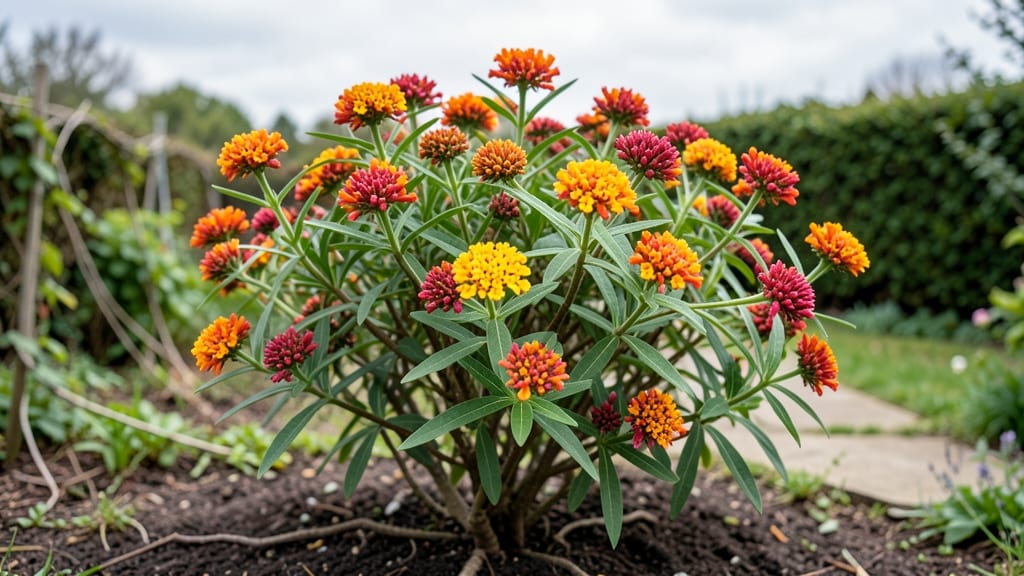
Lantana plants aren't true perennials in most cold zones—they die back to the ground during frost but can regrow from their roots if conditions are mild enough. In colder areas, they're typically treated as annuals or overwintered indoors.
Lantana's behavior depends on your climate zone. 🌱 In USDA zones 8–11, these plants naturally survive winter by going dormant, with their roots staying alive underground until spring. However, in colder zones (below 7), the roots often fail to regenerate, forcing gardeners to replant each year.
The key difference lies in how much frost the roots can endure—just a few degrees below freezing can be the tipping point between survival and death.
For gardeners in marginal zones, the solution often involves strategic overwintering. 💫 This can mean digging up tubers, potting them, and bringing them indoors until temperatures rise, or using thick mulch to insulate the roots.
The plant's ability to bounce back from dormancy makes it a favorite for warm climates, but its limitations in colder areas explain why many growers treat it as an annual.
💡 In This Article
- Why Lantana Dies Back in Winter and How It Regrows
- How to Overwinter Lantana in Cold Climates
Why lantana dies back in winter and how it regrows
Lantana's winter behavior comes down to its native tropical origins and cold sensitivity. These plants thrive in USDA hardiness zones 8-11, where temperatures rarely drop below 10°F (-12°C). When frost hits, the above-ground foliage blackens and appears dead, but the real story happens underground.
The plant's root system contains specialized cells that store carbohydrates and water, allowing it to survive brief cold snaps by entering dormancy—a survival strategy similar to how peonies handle winter.
The critical temperature threshold sits around 20-25°F (-6 to -4°C) for most lantana varieties. Below this, root damage becomes likely, especially if the frost persists for more than 24-48 hours. What's fascinating is how the roots actually "prune" themselves—damaged sections die off while healthy portions remain viable.
This self-preservation mechanism explains why some gardeners see lantana regrow from multiple stems after winter, even if the original plant looked completely dead.
You can test whether your lantana is truly dormant or permanently damaged by performing a simple scratch test.
After the last frost, gently scrape the bark on a stem—if green tissue appears beneath, the plant is alive. 🌱 Another telltale sign is the emergence of new growth from the base, which often appears as small, bright green shoots within 2-4 weeks of warming temperatures.
In contrast, permanently dead plants show no signs of regrowth even after 6 weeks of spring warmth.
Lantana's regrowth process begins when soil temperatures reach 55°F (13°C), triggering the roots to send out new shoots. This timing explains why late frosts can be devastating—if new growth emerges and then gets hit by another freeze, the plant may fail to recover.
The plant's ability to regenerate from roots makes it behave like a perennial in warm climates, but this same mechanism becomes unreliable when winter temperatures consistently drop below 15°F (-9°C).
What most gardeners don't realize is that lantana's cold tolerance varies by variety. Hybrid cultivars like 'Bandana Series' often handle slightly cooler temperatures better than native species, thanks to selective breeding for hardiness.
The key difference lies in their root structure—hybrids typically develop more extensive root systems that can better withstand freezing. This biological adaptation explains why some lantana plants survive winters in zone 7 with proper protection, while others fail completely.
For those in marginal zones, understanding this biological process helps explain why lantana might regrow one year but not the next. The plant's survival depends on a delicate balance between root health, soil insulation, and timing of temperature changes.
In ideal conditions, you might see lantana plants live for 5-10 years in the same spot, while in harsher climates, they may only survive a single growing season without intervention.